Why it works: Onion and pepper are a kitchen classic. They rank in the top 11% of all ingredient pairs, and cooks put them together in 68,474 recipes. Both carry 2-isopropyl-3-methoxypyrazine, which smells earthy, pea. The science ↓
Telegram Conservation Cook Book
Ingredients
Directions
Prepare and boil
Soak vegetables in water for any length of time before cooking.
For boiling, have a large saucepan of water on the stove (rain water is best) at a rapid boil.
Drop in the vegetables with skins on, large ones first.
Bring the water back to a boil as soon as possible.
Add salt, one teaspoonful to every quart of water used.
Continue cooking gently, partly uncovered, until tender, testing with a silver fork.
Do not let the boil stop before the vegetables are tender, and do not let them stand in water after they are tender.
Drain at once and cover with cold water two or three times.
When cooled, peel and dice, or keep in a covered dish to avoid drying if not serving right away.
Make the white sauce
For white sauce, heat the butter, add flour and stir until smooth.
Add the milk, stirring all the time.
When the sauce boils, add salt and the prepared vegetables.
Cook 10 minutes and serve.
Vegetable-specific methods
Beets always require the boiling method; wash them without breaking roots or stems to avoid bleeding.
Serve beets with butter, salt and pepper, or pickle them.
For steaming, peel or scrape the vegetables finely and steam cook them.
Serve steamed vegetables with white sauce, or make the sauce with meat stock instead of milk.
Serve pumpkin, squash and spinach with butter, salt and pepper.
To cook tomatoes, pour boiling water over them, let stand 2 or 3 minutes, drain, cover with cold water, pour off and peel.
Cut large tomatoes in fourths and small ones in halves.
Put into a stewpan and boil gently 20 minutes or half an hour.
Season five minutes before cooking is finished.
To cook onions, cut in slices and boil in salted water 10 minutes.
Drain, add butter, salt and pepper, cover the stewpan and cook over a hot fire five minutes, shaking the pan occasionally.
Set it back where it will cook slowly for 40 minutes.
To boil potatoes, put them on in cold water with one tablespoon salt to each quart.
Boil until a fork penetrates easily, then drain, return to stove, let stand a moment, shake gently, and remove the cover to let steam escape, repeating two or three times.
For tomatoes, cover with boiling water for a moment, remove skins, cut in quarters, place in saucepan with no water, add seasoning, sugar and butter, and cook 20 minutes.
For asparagus, peel and wash, tie in bundles with heads one way and ends cut even.
Cover with boiling water and cook 25 minutes, add salt, draw to the back of the stove and simmer 5 minutes.
Lift out, drain, arrange on a hot dish, remove strings and pour melted butter over it.
For cabbage, cut in quarters, remove core, wash, and place in saucepan nearly covered with boiling water; cook until done.
Add salt and simmer 10 minutes, drain, and serve with melted butter or as desired.
For kale, strip leaves from stems, wash thoroughly, and boil in boiling water 10 minutes.
Drain, return to saucepan and cover with fresh water.
Nutrition, whole recipe (rough)
Counts 6 of 7 ingredients. The other 1 aren't in our nutrition table and add nothing above, so the real totals are higher.
What these numbers assume: 6 portions
| Ingredient | Portion assumed | kcal |
|---|---|---|
| Vegetable | 1 tbsp (14g) | 120 |
| Butter | 1 tbsp (14g) | 102 |
| Sugar | 1 tbsp (12.5g) granulated | 49 |
| Onion | 1 medium (110g) | 44 |
| Black Pepper | 1 tsp ground (2.3g) | 6 |
| Salt | 1 tsp (6g) | 0 |
| Water | not in our table | 0 |
One typical portion per ingredient; the recipe's quantities are not counted. A rough guide only, not for medical or dietary planning.
Transcribed from a scanned cookbook and modernised for today's kitchens. Where the book gave no heat or time, or said "a moderate oven", the temperatures and times here may be modern equivalents rather than the book's own figures. See the original page.
Explore the science
The flavor team
The pairs that carry this dish. Each one is judged two ways: how much their aromas overlap, and how often cooks already put them together.
-
Onion + peppertop 11% of all pairsSmell alikemoderateCooked together68,474 recipes
Shared aroma: 2-isopropyl-3-methoxypyrazine (earthy, pea).
-
Onion + buttertop 15% of all pairsSmell alikemoderateCooked together42,912 recipes
Shared aroma: decanal (soap, orange peel).
-
Sugar + buttertop 17% of all pairsSmell alikemoderateCooked together98,233 recipes
Shared aroma: guaiacol (smoky, sweet).
-
Butter + peppertop 21% of all pairsSmell alikemoderateCooked together85,593 recipes
Shared aroma: trans-2-nonenal (cardboard, fatty).
-
Sugar + peppertop 32% of all pairsSmell alikelowCooked together19,401 recipes
Shared aroma: 2-nonenal (fatty, green).
Sugar and pepper barely smell alike, yet cooks put them together in 19,401 recipes: they work on texture and structure more than aroma.
Ranks compare each pair with 20,000 random ingredient pairs on CompKitchen. How we score pairs
What each ingredient does
- Onions
- Softened by boiling in salted water, then gently browned with butter for sweetness.
- Butter
- Adds richness and flavor to the finished vegetables and forms the base of the white sauce.
- Flour (in the method)
- Thickens the melted butter into a smooth white sauce that coats the vegetables.
- Milk (in the method)
- Forms the liquid of the white sauce, giving it body and a mild, creamy flavor.
The step that matters
Do not let the boil stop before the vegetables are tender. Once boiling stops, cooking slows and the vegetables can turn unevenly soft. Keeping the water at a steady boil cooks them through, and leaving them in standing water after they are tender makes them waterlogged and dull.
Swap the onion
How well each one fits the dish's main ingredients (sugar, butter, pepper):
- Capsicumfits better
- Potatofits better
- Sweet potatofits better
- Onionthe original
Fit is the average pairing score against sugar, butter, pepper. Candidates are from the same food group and used in at least 100 recipes.
“What each ingredient does” and “The step that matters” were written by Claude from this recipe’s own method and reviewed in samples by CompKitchen.
You might also like
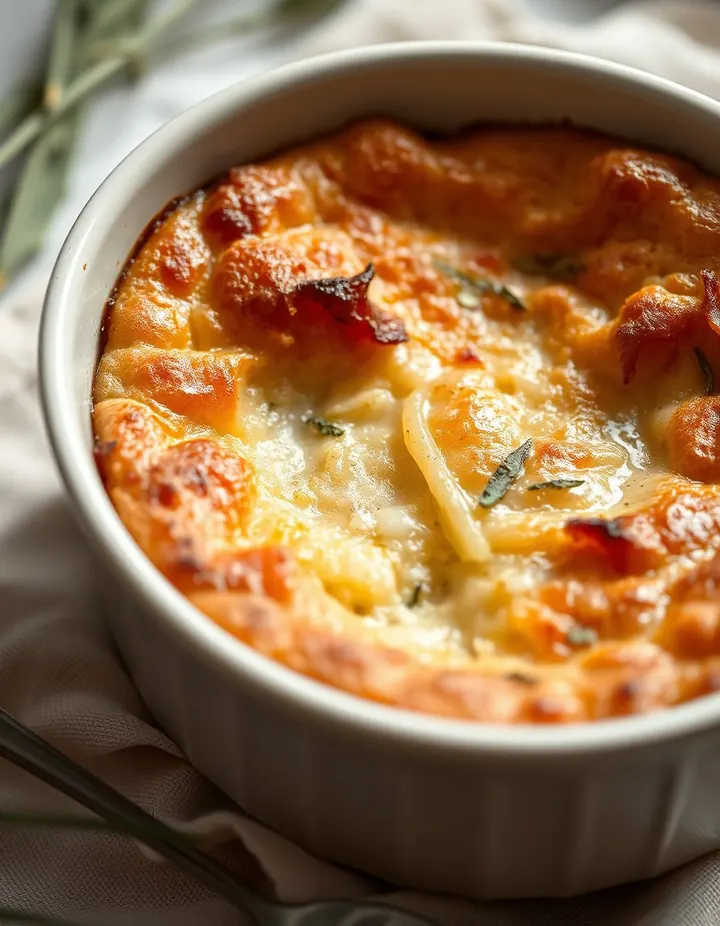 Onion Pudding9 recipes
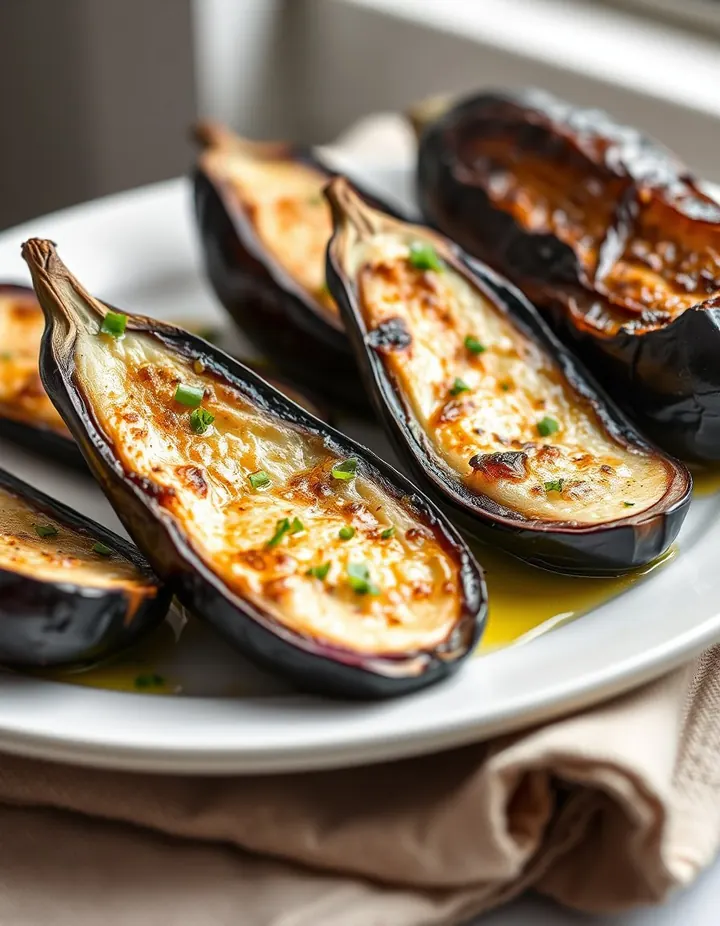 Eggplant Cakes34 recipes
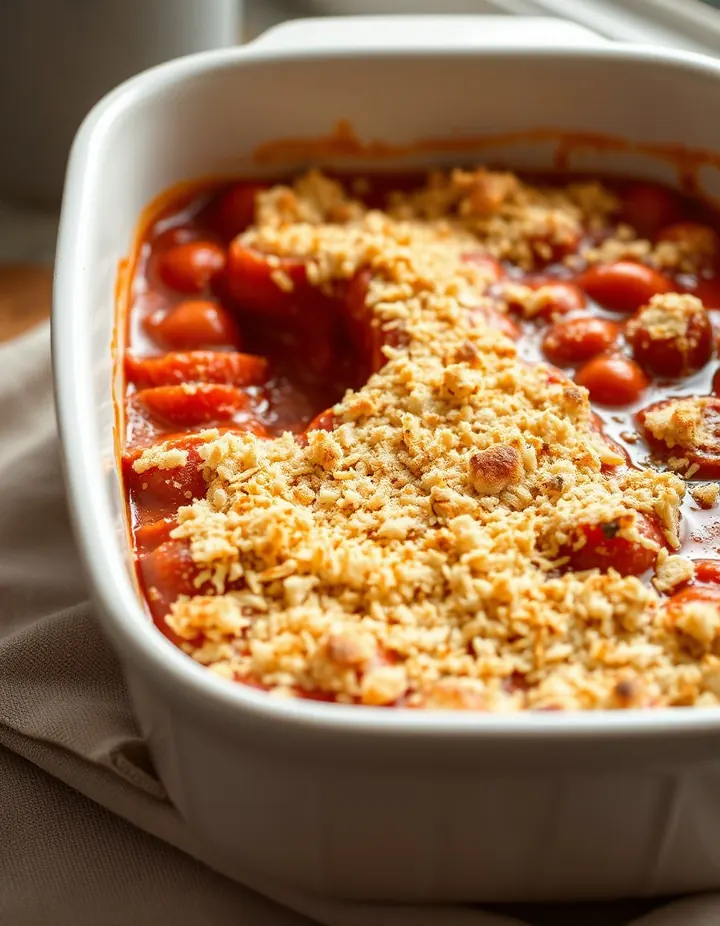 Escalloped Tomatoes (Scalloped Tomatoes)25 recipes
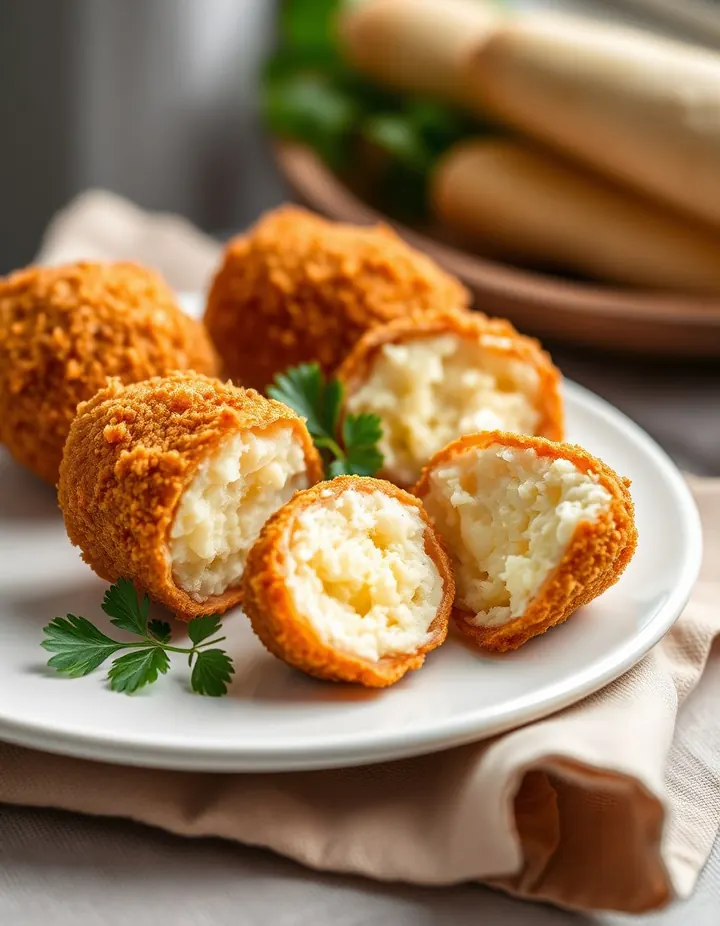 Parsnip Croquettes12 recipes
The free Flavor Lab newsletter: one surprising pairing a week and the molecular reason it works, in 60 seconds. No spam, unsubscribe anytime.
Prefer an account? Create a free account to save pairings and unlock the full chemistry.