Why it works: Lemon and olive are a kitchen classic. They rank in the top 7% of all ingredient pairs, and cooks put them together in 11,922 recipes. Both carry 3-hexenal, which smells apple, fruity. The science ↓
Mary Brister
Ingredients
Directions
Prepare the dressing base
Have everything ice-cold.
In a cup, combine one-half teaspoonful salt, one teaspoonful pulverized sugar, one-half teaspoonful Colman's mustard, one-half teaspoonful cayenne pepper, one tablespoonful vinegar, one tablespoonful lemon juice, and the yolks of one or two eggs, enough olive oil to stiffen dressing.
In a bowl, beat the egg yolks with a little salt until stiff.
Very slowly drop the oil and beat.
When enough oil has been beaten in, gradually add the vinegar, etc.
If the dressing is too thin, add more oil; if too thick, add more vinegar.
Prepare the salad
Cut equal parts of celery, radishes, cold beans, and cold peas quite fine.
Add onion if desired.
Add several slices of cucumbers and tomato.
Serve on lettuce with any preferred dressing.
Make the cold egg dressing
In a cold bowl, break one whole egg, juice of two lemons, half a teaspoonful of salt, one teaspoonful of mustard, and two tablespoonfuls olive oil.
Use a Dover eggbeater for a minute or two.
Add two more tablespoonfuls oil, beat another minute or two.
Then oil can be added in larger quantities and be beaten until you have desired quantity of dressing.
Make the cooked dressing
Stir together one teaspoonful of salt, one tablespoonful oil or butter, and one tablespoon of sugar.
Add a full teaspoonful of mustard and three raw eggs stirred in separately.
Add slowly one small cupful of vinegar.
Lastly add one cup of milk and cream mixed.
Put mixture in a double boiler and stir to the consistency of custard.
Mix the ingredients in precisely the order given, stirring well after each is added.
The ingredients will not then curdle the milk.
This may be used on cold vegetables.
Nutrition, whole recipe (rough)
What these numbers assume: 7 portions
| Ingredient | Portion assumed | kcal |
|---|---|---|
| Milk | 1 cup (244ml) whole | 149 |
| Olive Oil | 1 tbsp (14g) | 119 |
| Egg | 1 large egg (50g) | 78 |
| Sugar | 1 tbsp (12.5g) granulated | 49 |
| Lemon | juice of 1 lemon (48ml) | 12 |
| Vinegar | 1 tbsp (15ml) distilled | 3 |
| Salt | 1 tsp (6g) | 0 |
One typical portion per ingredient; the recipe's quantities are not counted. A rough guide only, not for medical or dietary planning.
Transcribed from a scanned cookbook and modernised for today's kitchens. Where the book gave no heat or time, or said "a moderate oven", the temperatures and times here may be modern equivalents rather than the book's own figures. See the original page.
Explore the science
The flavor team
The pairs that carry this dish. Each one is judged two ways: how much their aromas overlap, and how often cooks already put them together.
-
Lemon + olivetop 7% of all pairsSmell alikemoderateCooked together11,922 recipes
Shared aroma: 3-hexenal (apple, fruity).
-
Lemon + teatop 8% of all pairsSmell alikemoderateCooked together610 recipes
Shared aroma: 3-hexenal (apple, fruity).
-
Olive + vinegartop 10% of all pairsSmell alikemoderateCooked together12,297 recipes
Shared aroma: isoamyl acetate (banana, fruity).
-
Milk + teatop 11% of all pairsSmell alikemoderateCooked together738 recipes
Shared aroma: 4-heptenal (creamy, biscuit).
-
Olive + teatop 14% of all pairsSmell alikemoderateCooked together146 recipes
Shared aroma: 3-hexenal (apple, fruity).
Ranks compare each pair with 20,000 random ingredient pairs on CompKitchen. How we score pairs
What each ingredient does
- Eggs
- Egg yolks and whole eggs emulsify and thicken the dressing, giving body.
- Olive oil
- Forms the fat base of the emulsion, giving the dressing its richness and body.
- Vinegar
- Adds acidity that sharpens flavor and helps stabilize the emulsion.
- Lemon juice
- Provides acidity and bright flavor to the dressing.
- Milk
- Adds moisture and body, thickening the cooked dressing into a custard-like texture.
- Sugar
- Balances the sharpness of the vinegar and lemon with sweetness.
The step that matters
Adding the oil slowly. Oil must be added a little at a time while beating, so droplets disperse and the emulsion forms. Pouring too fast makes the dressing separate and stay thin.
Swap the lemon
How well each one fits the dish's main ingredients (olive, sugar, milk, vinegar, egg, tea):
- Vanillafits better
- Lemonthe original
- Peachfits about as well
- Figfits about as well
Fit is the average pairing score against olive, sugar, milk, vinegar, egg, tea. Candidates are from the same food group and used in at least 100 recipes.
“What each ingredient does” and “The step that matters” were written by Claude from this recipe’s own method and reviewed in samples by CompKitchen.
You might also like
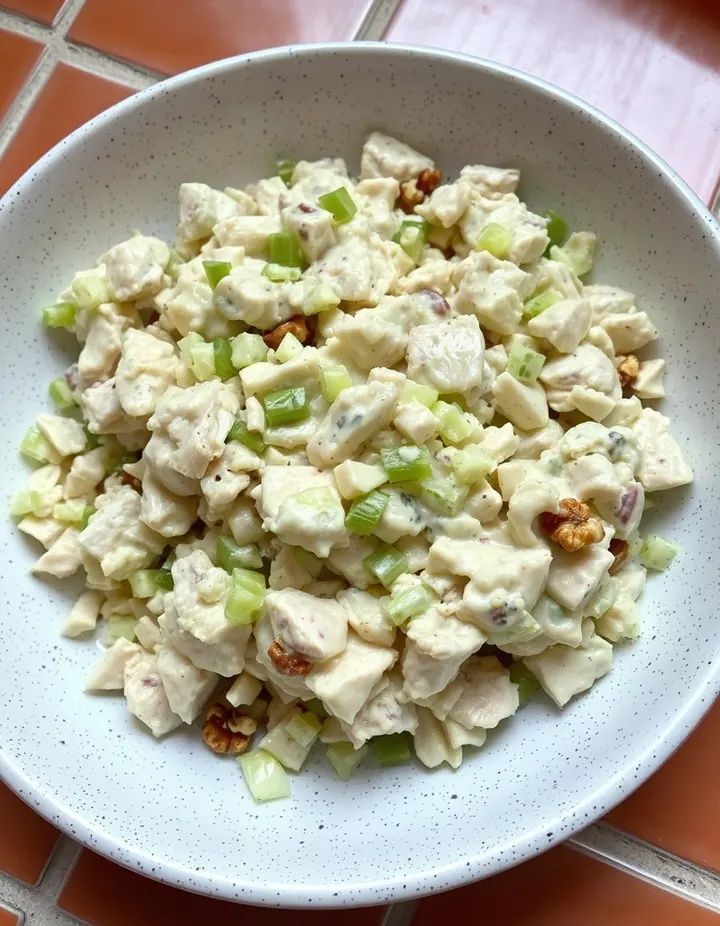 Chicken Salad623 recipes
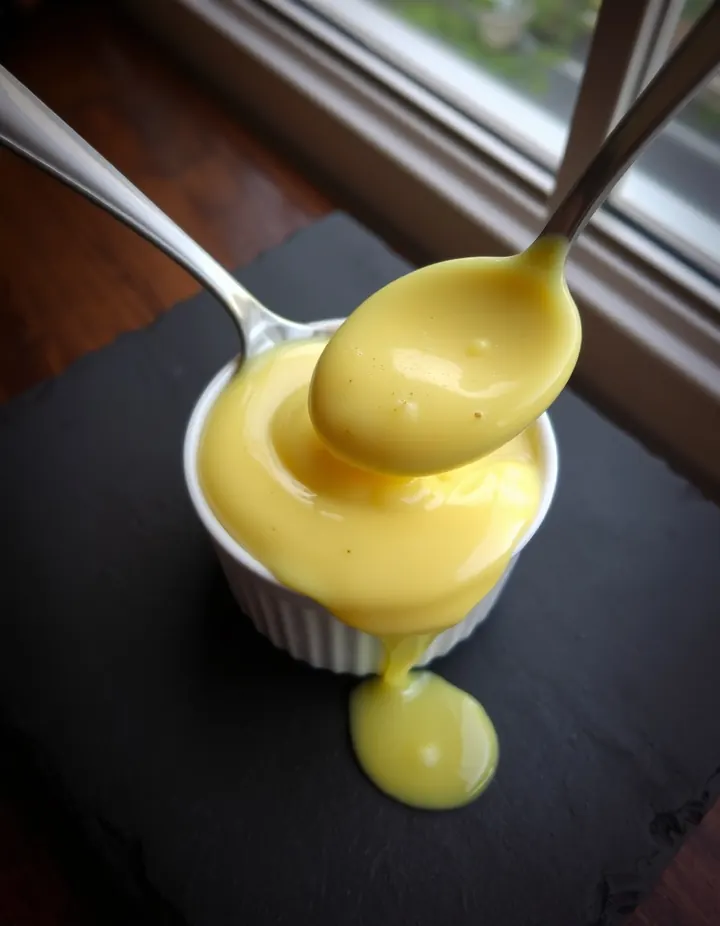 Salad Dressing491 recipes
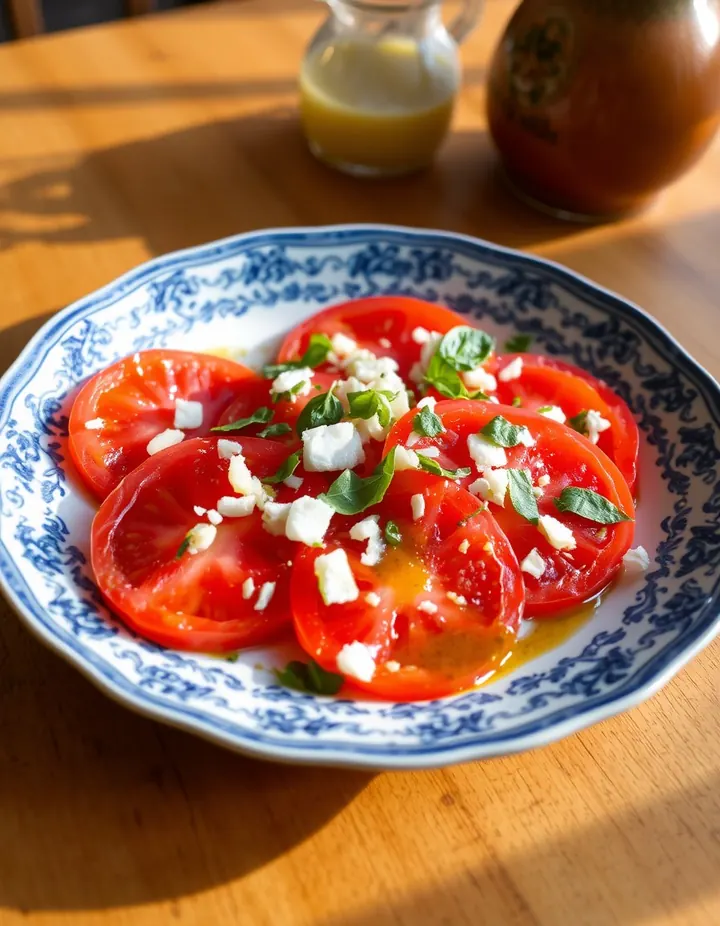 Tomato Salad179 recipes
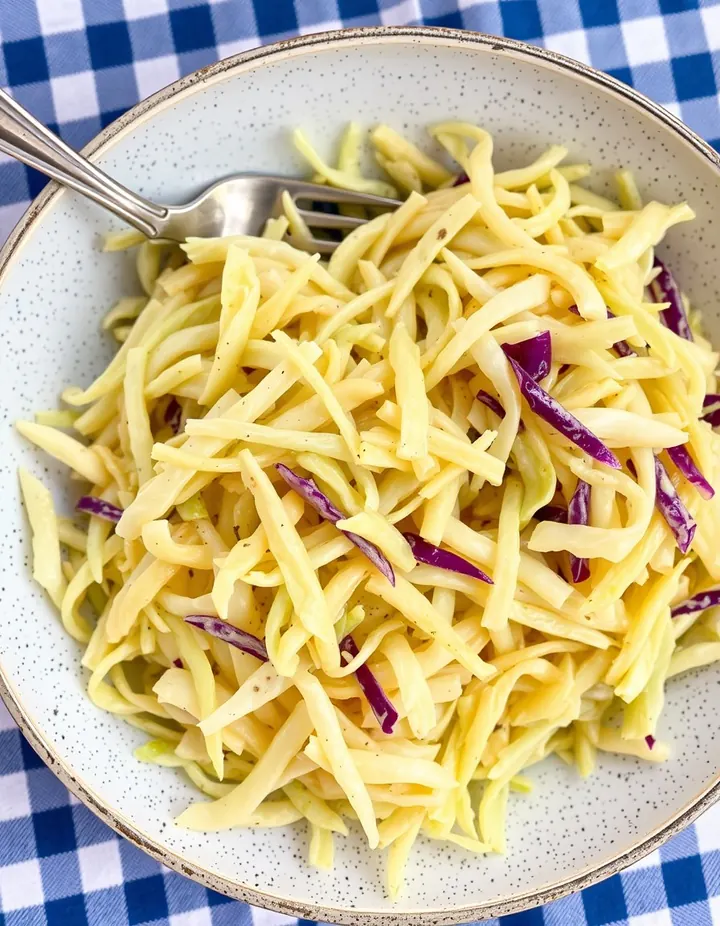 Cold Slaw160 recipes
The free Flavor Lab newsletter: one surprising pairing a week and the molecular reason it works, in 60 seconds. No spam, unsubscribe anytime.
Prefer an account? Create a free account to save pairings and unlock the full chemistry.