Why it works: Bread and butter are a kitchen classic. They rank in the top 7% of all ingredient pairs, and cooks put them together in 27,232 recipes. Both carry delta-decalactone, which smells sweet, creamy. The science ↓
Stuffing for Fowls
Ingredients
Directions
Prepare the bread
Soak 1 pint stale bread in 1½ pints of cold water.
Squeeze out water from crumbs and put in onion and butter.
Cook the onion
Cook 1 onion (chopped) in one tablespoon butter.
Cook a few minutes and when taken from fire add one egg beaten slightly.
Season and moisten
Season ground stale bread crumbs with chopped or grated onion, salt and pepper.
Add a little melted butter to moisten, or fat from the liquor in which they are cooked.
Oysters may be added to make oyster dressing.
Moisten meal with chicken fat from liquor.
Cook onion in tablespoon butter, and fry meal cakes in this.
Stuff chicken and turkey with corn that has been boiled, cut from cob, seasoned highly with butter, pepper and salt.
Nutrition, whole recipe (rough)
Counts 4 of 5 ingredients. The other 1 aren't in our nutrition table and add nothing above, so the real totals are higher.
What these numbers assume: 4 portions
| Ingredient | Portion assumed | kcal |
|---|---|---|
| Flour | 1 cup (125g) all-purpose | 455 |
| Butter | 1 tbsp (14g) | 102 |
| Egg | 1 large egg (50g) | 78 |
| Onion | 1 medium (110g) | 44 |
| Water | not in our table | 0 |
One typical portion per ingredient; the recipe's quantities are not counted. A rough guide only, not for medical or dietary planning.
Transcribed from a scanned cookbook and modernised for today's kitchens. Where the book gave no heat or time, or said "a moderate oven", the temperatures and times here may be modern equivalents rather than the book's own figures. See the original page.
Explore the science
The flavor team
The pairs that carry this dish. Each one is judged two ways: how much their aromas overlap, and how often cooks already put them together.
-
Bread + buttertop 7% of all pairsSmell alikemoderateCooked together27,232 recipes
Shared aroma: delta-decalactone (sweet, creamy).
-
Bread + eggtop 13% of all pairsSmell alikemoderateCooked together22,662 recipes
Shared aroma: (e)-2-octenal (fatty, green).
-
Butter + oniontop 15% of all pairsSmell alikemoderateCooked together42,912 recipes
Shared aroma: decanal (soap, orange peel).
-
Bread + oniontop 15% of all pairsSmell alikemoderateCooked together8,676 recipes
Shared aroma: 2,4-decadienal (seaweed).
-
Butter + eggtop 17% of all pairsSmell alikemoderateCooked together118,967 recipes
Shared aroma: decanal (soap, orange peel).
Ranks compare each pair with 20,000 random ingredient pairs on CompKitchen. How we score pairs
What each ingredient does
- Stale bread
- Forms the body of the stuffing and absorbs liquid to become soft and cohesive.
- Egg
- Binds the crumbs together so the stuffing holds its shape when cooked.
- Butter
- Adds fat for richness and helps moisten the crumbs and lightly brown the onion.
- Onion
- Adds aromatic flavour that seasons the bread through the stuffing.
The step that matters
Squeeze out water from crumbs. Bread soaked in water becomes very wet; excess liquid makes the stuffing soggy and weakens its structure, so the crumbs should be pressed dry before adding onion and butter.
Swap the onion
How well each one fits the dish's main ingredients (bread, butter, egg):
- Asparagusfits better
- Leekfits better
- Chivefits better
- Onionthe original
Fit is the average pairing score against bread, butter, egg. Candidates are from the same food group and used in at least 100 recipes.
“What each ingredient does” and “The step that matters” were written by Claude from this recipe’s own method and reviewed in samples by CompKitchen.
You might also like
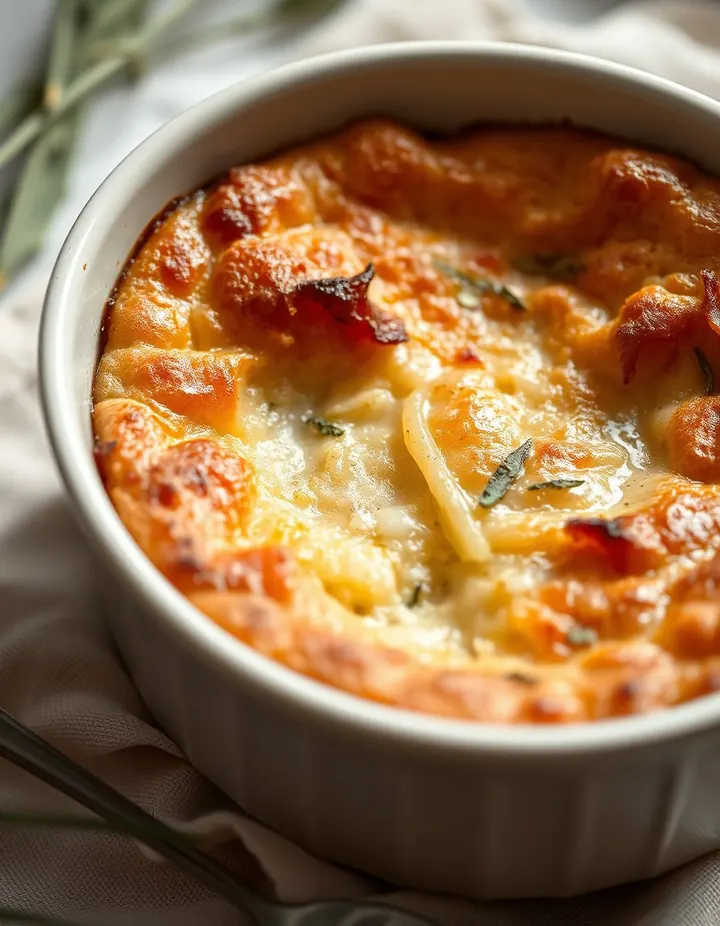 Onion Pudding9 recipes
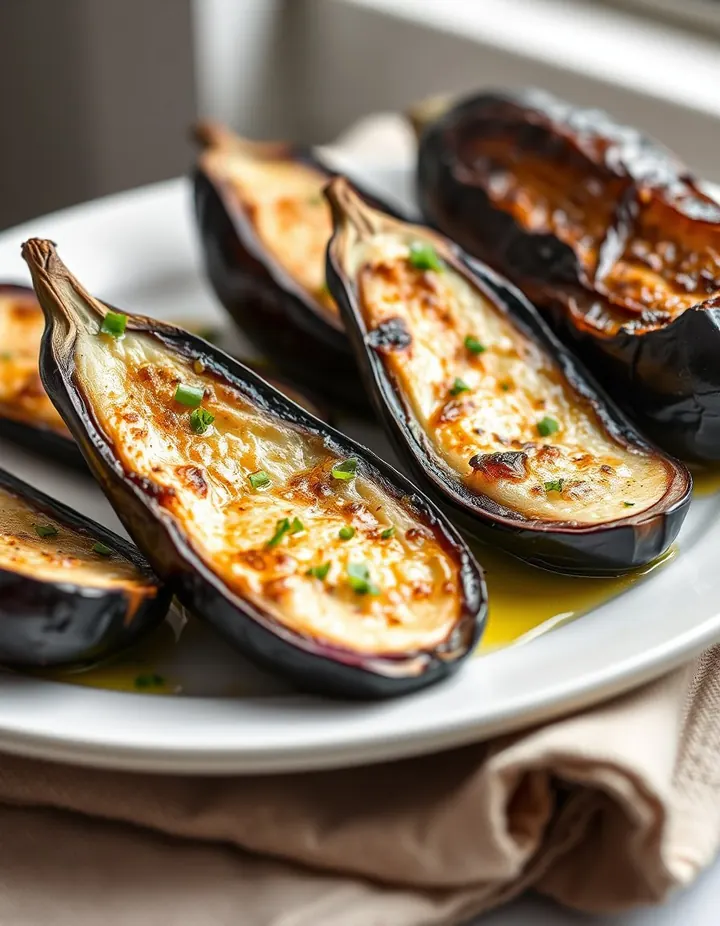 Eggplant Cakes34 recipes
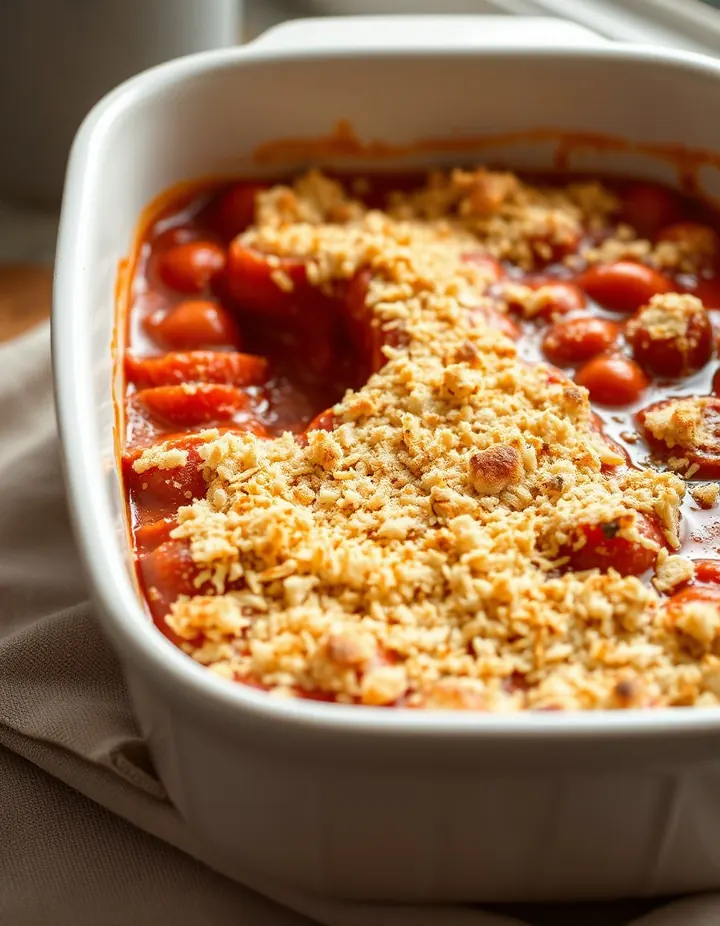 Escalloped Tomatoes (Scalloped Tomatoes)25 recipes
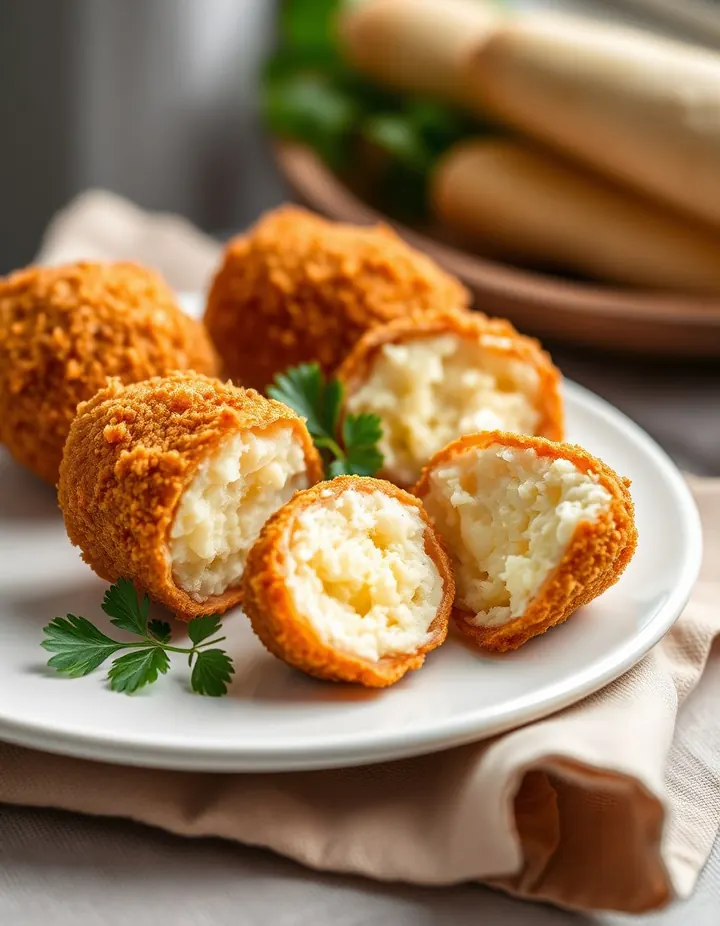 Parsnip Croquettes12 recipes
The free Flavor Lab newsletter: one surprising pairing a week and the molecular reason it works, in 60 seconds. No spam, unsubscribe anytime.
Prefer an account? Create a free account to save pairings and unlock the full chemistry.