Why it works: Potato and flour are a kitchen classic. They rank in the top 15% of all ingredient pairs, and cooks put them together in 5,355 recipes. Both carry isobutyraldehyde, which smells malty, green. The science ↓
Another Method for Making Yeast
Ingredients
Directions
Peel one large Irish potato.
Boil it until soft.
Rub it through a sieve.
Add an equal quantity of flour.
Make it sufficiently liquid with hop tea.
When it is a little warmer than new milk, add a gill of good yeast. Stir it well.
Keep it closely covered in a small pitcher.
Nutrition, whole recipe (rough)
What these numbers assume: 2 portions
| Ingredient | Portion assumed | kcal |
|---|---|---|
| Flour | 1 cup (125g) all-purpose | 455 |
| Potato | 1 medium (173g) baked | 161 |
One typical portion per ingredient; the recipe's quantities are not counted. A rough guide only, not for medical or dietary planning.
Transcribed from a scanned cookbook and modernised for today's kitchens. Where the book gave no heat or time, or said "a moderate oven", the temperatures and times here may be modern equivalents rather than the book's own figures. See the original page.
Explore the science
The flavor team
The pairs that carry this dish. Each one is judged two ways: how much their aromas overlap, and how often cooks already put them together.
-
Potato + flourtop 15% of all pairsSmell alikemoderateCooked together5,355 recipes
Shared aroma: isobutyraldehyde (malty, green).
Ranks compare each pair with 20,000 random ingredient pairs on CompKitchen. How we score pairs
What each ingredient does
- Potato
- Provides starch and moisture that feed the yeast and give the starter body.
- Flour (in the method)
- Adds starch for the yeast to ferment and thickens the mixture into a batter-like starter.
- Yeast
- Ferments the sugars in the starter, producing carbon dioxide that makes bread rise.
The step that matters
Adding the yeast at the right temperature. Yeast works best when the liquid is only slightly warm, about the temperature of new milk. Liquid that is too hot can kill the yeast cells, while cool liquid slows fermentation.
“What each ingredient does” and “The step that matters” were written by Claude from this recipe’s own method and reviewed in samples by CompKitchen.
More yeast starter recipes
You might also like
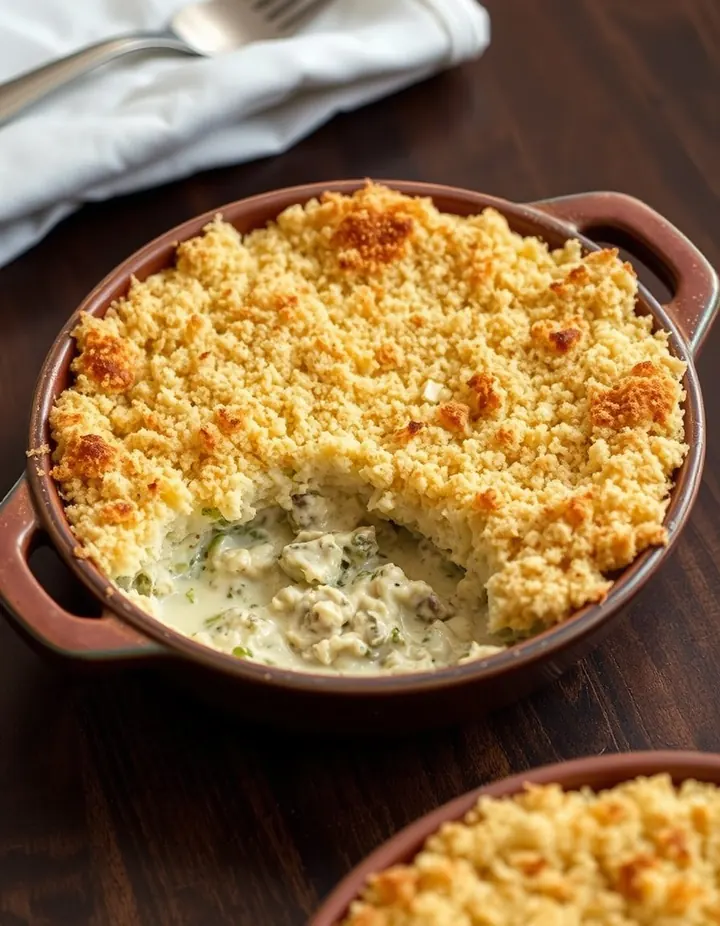 Deviled Oysters25 recipes
The free Flavor Lab newsletter: one surprising pairing a week and the molecular reason it works, in 60 seconds. No spam, unsubscribe anytime.
Prefer an account? Create a free account to save pairings and unlock the full chemistry.