Why it works: Tomato and tarragon work together. They rank in the top 6% of all ingredient pairs, and cooks put them together in 391 recipes. Both carry beta-phellandrene, which smells minty, terpene. The science ↓
Petites Saufflees D'homard
Ingredients
Directions
Prepare
Dice a two-pound lobster, showing the red side as much as possible.
Put bands of writing paper, about two inches high, around as many individual ramequin cases as you wish to serve.
Make the soufflé
Beat three tablespoonfuls of stiff mayonnaise, one cup aspic jelly, one-half cup tomato sauce together until they begin to look white.
Stir in the pieces of lobster, adding a very little tarragon vinegar or better still one teaspoonful chopped tarragon.
Put away to stiffen in a very cold place.
Finish and serve
When set, take off the papers carefully, garnish with pounded coral or browned crumbs.
Nutrition, whole recipe (rough)
What these numbers assume: 4 portions
| Ingredient | Portion assumed | kcal |
|---|---|---|
| Egg | 1 large egg (50g) | 78 |
| Tomato | 1 medium (123g) | 22 |
| Vinegar | 1 tbsp (15ml) distilled | 3 |
| Tarragon | 1 tsp dried (0.5g) | 2 |
One typical portion per ingredient; the recipe's quantities are not counted. A rough guide only, not for medical or dietary planning.
Transcribed from a scanned cookbook and modernised for today's kitchens. Where the book gave no heat or time, or said "a moderate oven", the temperatures and times here may be modern equivalents rather than the book's own figures. See the original page.
Explore the science
The flavor team
The pairs that carry this dish. Each one is judged two ways: how much their aromas overlap, and how often cooks already put them together.
-
Tomato + tarragontop 6% of all pairsSmell alikemoderateCooked together391 recipes
Shared aroma: beta-phellandrene (minty, terpene).
-
Tarragon + vinegartop 7% of all pairsSmell alikemoderateCooked together2,547 recipes
Shared aroma: isobutyraldehyde (malty, green).
-
Tomato + saucetop 15% of all pairsSmell alikelowCooked together5,469 recipes
Shared aroma: ethanol (alcoholic, ethereal).
-
Tomato + vinegartop 16% of all pairsSmell alikemoderateCooked together5,063 recipes
Shared aroma: beta-damascenone (apple, rose).
-
Sauce + tarragontop 17% of all pairsSmell alikelowCooked together566 recipes
Shared aroma: ethanol (alcoholic, ethereal).
Ranks compare each pair with 20,000 random ingredient pairs on CompKitchen. How we score pairs
What each ingredient does
- Lobster (in the method)
- Provides the main flavour and the bulk of the soufflé's body.
- Stiff mayonnaise
- Adds richness and fat, giving a softer, creamier texture to the set mixture.
- Aspic jelly
- Sets the mixture when chilled, giving the soufflé its firm, standing shape.
- Tomato sauce
- Adds acidity and colour, balancing the richness of the mayonnaise.
- Tarragon
- Adds a fresh, aromatic anise-like flavour.
The step that matters
Beat until the mixture begins to look white. Beating the mayonnaise, aspic and tomato sauce together incorporates air and cools the mixture so it thickens evenly. Stirring in the lobster before it is partly set can make the pieces sink and the mixture separate, so it must be cold and thick enough to hold them in suspension.
Swap the tomato
How well each one fits the dish's main ingredients (sauce, tarragon, vinegar):
- Mustardfits better
- Shallotfits better
- Horseradishfits better
- Tomatothe original
Fit is the average pairing score against sauce, tarragon, vinegar. Candidates are from the same food group and used in at least 100 recipes.
“What each ingredient does” and “The step that matters” were written by Claude from this recipe’s own method and reviewed in samples by CompKitchen.
You might also like
 Tomato Soup526 recipes
 Cream of Tomato Soup107 recipes
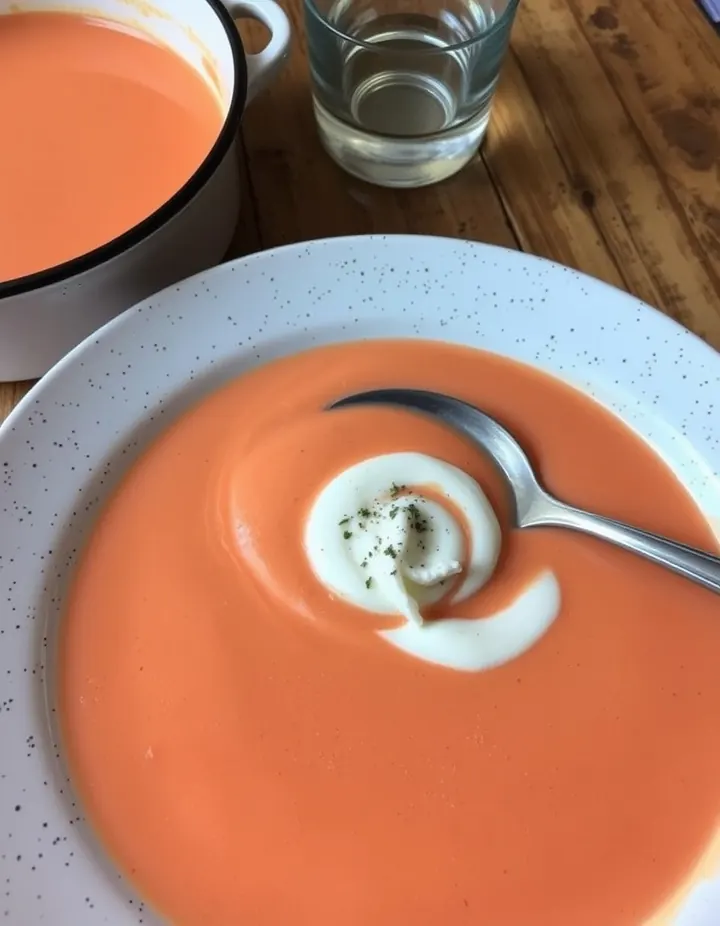 Tomato Bisque61 recipes
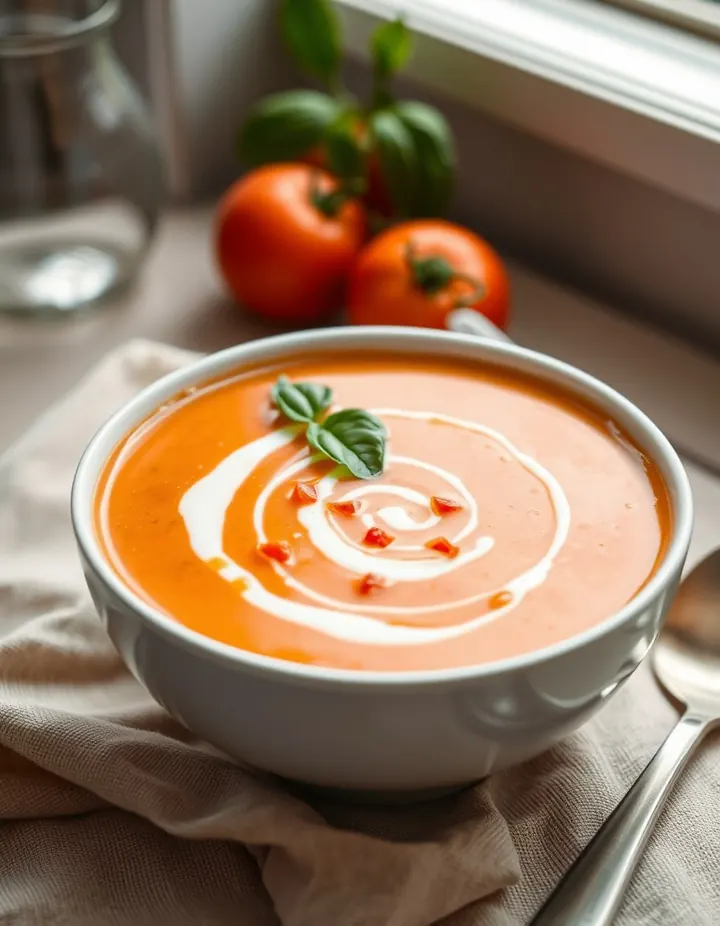 Cream Tomato Soup28 recipes
The free Flavor Lab newsletter: one surprising pairing a week and the molecular reason it works, in 60 seconds. No spam, unsubscribe anytime.
Prefer an account? Create a free account to save pairings and unlock the full chemistry.