The Management of Yeast
Ingredients
Directions
tst.—During cold weather be sure and have your flour warm, This can be best done by using a kneading pan, setting it on the back of the stove, stirring and mixing your flour so that the heat is even throughout the mass.
and.--Any one who does not know how to make a good loaf of bread should be guided by the directions.
3rd.—When we say milk-warmth, we mean the natural heat of milk as it is drawn from the animal.
4th.—When we say that a cake of yeast is to be dis- solved in a little cold water, we do so because if we were to say warm water some heedless person would be sure to use hot water. What we mean is that the cake is to be dissolved without killing the fermenting germ, which may easily be done at any stage of the bread- making process if the water is more than merely warm. Remember this.
5th.—Fermentation once started will go on almost anywhere during the summer months, but all the balance
the ous r of
has the nse Var Live
our ling and 1out
ea ons. the
dis- "we d be cake orm, ead-
LESSONS IN BREADMAKING. 13
of the year care must be taken to cover your yeast after setting and your sponge after mixing. We think that a kneading pan, having a cover, is much better than a trough. By using this pan the flour can be warmed on the stove in a few minutes by stirring it up from the bottom till all the chill is off it. When this is done fermentation in cold weather goes on rapidly, and that is what you want.
6th.—Fermentation goes on rapidly under favourable circumstances. One or two cakes of Breadmaker’s Yeast will, when stirred into a properly-prepared setting, rise to twice the bulk of the setting in three or four hours. The sponge will rise much quicker, because when you set it you have half its bulk already alive with fermentation. Again, after moulding your loaves, it rises in twenty or thirty minutes to one hour ready to bake.
7th.—Some people use the salt to season the batch when setting the yeast. We prefer to do the salting at the second stage of the process called setting the sponge, because if done before that it gives the bread the charac- ter and taste of what is called ‘‘ Salt Rising.”
8th.—The oven should be ready when the loaves are moulded, and hot enough to quickly form a crust, which prevents the escape of the carbonic acid yas. This gas ‘5 what fills the fine cells all through the loaf, making it porous, or what is called light bread.
gth.—In cold weather have the flour thoroughly warmed before mixing. Of course there is a great difference in flour, In order to have good bread you must have good flour. On the other hand you can easily have poor bread with good flour, if poor yeast is used, And the yeast may be good and still you may have bad bread, from inattention and want of care.
roth.—Nearly half the cost of bread may be saved by making it at home; yet there are thousands of house:
14 THE BREADMAKER’S COOKING LESSONS.
holds in America where this simple economy is not practised, and where the luxury of a sweet nutty bread is never enjoyed.
Transcribed from a scanned cookbook and modernised for today's kitchens. Where the book gave no heat or time, or said "a moderate oven", the temperatures and times here may be modern equivalents rather than the book's own figures. See the original page.
You might also like
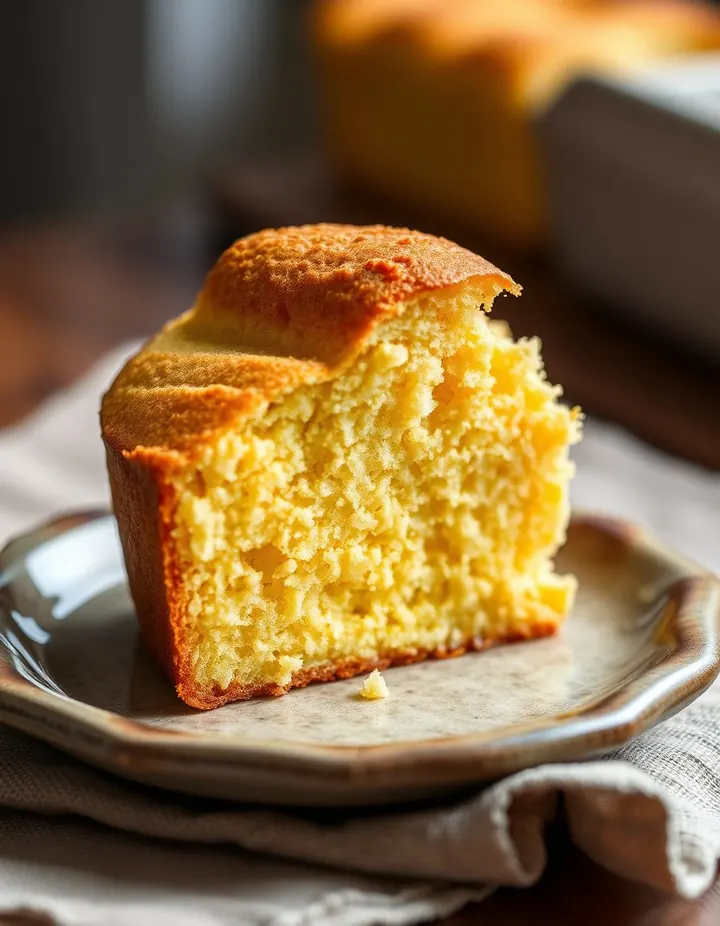 Cornbread345 recipes
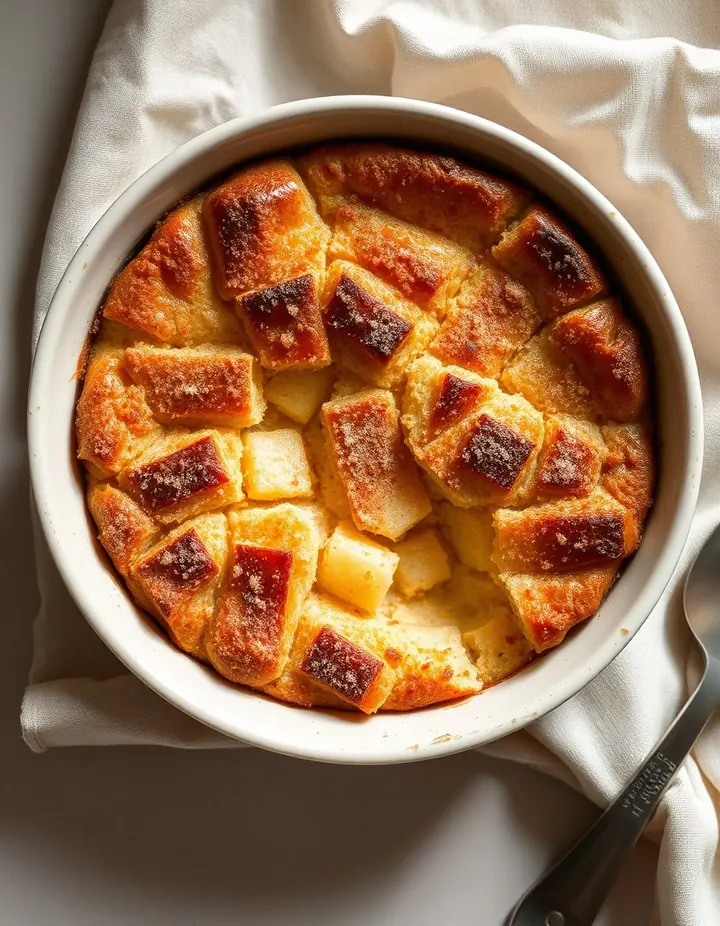 Bread Pudding336 recipes
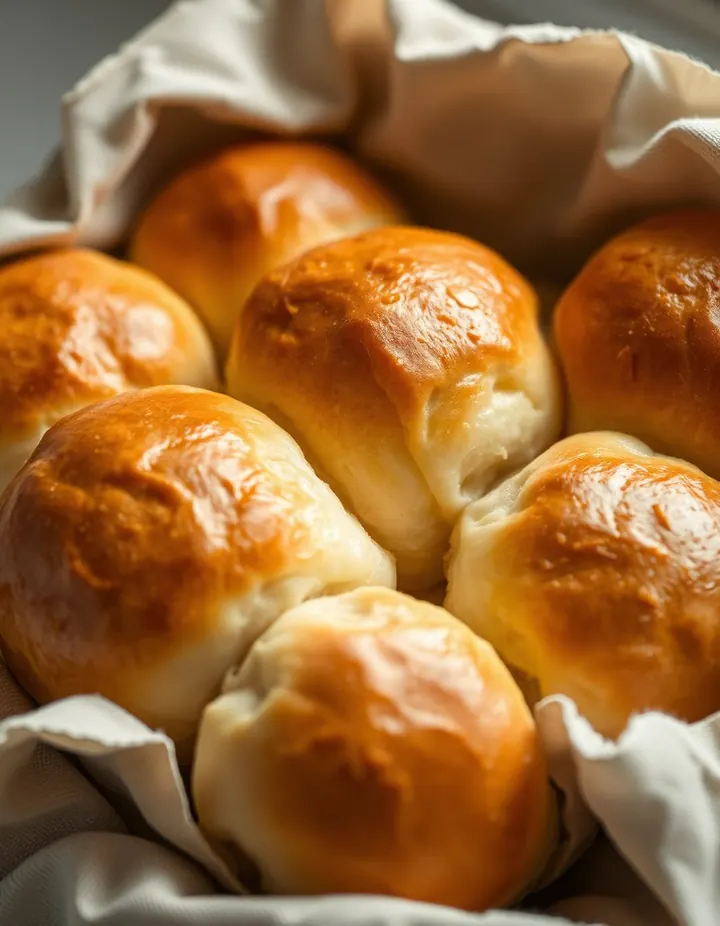 Milk Bread Rolls242 recipes
 Potato Bread124 recipes
The free Flavor Lab newsletter: one surprising pairing a week and the molecular reason it works, in 60 seconds. No spam, unsubscribe anytime.
Prefer an account? Create a free account to save pairings and unlock the full chemistry.