Why it works: Mustard and horseradish match in chemistry and in kitchens. They rank in the top 1% of all ingredient pairs, and cooks put them together in 1,832 recipes. Both carry coumarin, which smells sweet, hay. The science ↓
Red Cabbage Pickles
Ingredients
Directions
Prepare the cabbage
Choose purple red cabbage.
Slice the red cabbage into a colander and sprinkle each layer with salt.
Let it drain two days.
Pickle
Put it into a jar and pour hot vinegar over it enough to cover.
Add a few slices of red beet-root.
Cut cauliflower into branches, salt them, and add them; they will look a beautiful red.
Those who like the flavour of spices may boil them with the vinegar.
Nutrition, whole recipe (rough)
Counts 14 of 16 ingredients. The other 2 aren't in our nutrition table and add nothing above, so the real totals are higher.
What these numbers assume: 14 portions
| Ingredient | Portion assumed | kcal |
|---|---|---|
| Sugar | 1 tbsp (12.5g) granulated | 49 |
| Onion | 1 medium (110g) | 44 |
| Cauliflower | 1 cup chopped (107g) | 27 |
| Walnut | 1 walnut half (4g) | 26 |
| Tomato | 1 medium (123g) | 22 |
| Cucumber | 1/2 cup sliced (52g) | 16 |
| Clove | 1 tsp ground (2g) | 7 |
| Celery | 1 stalk (40g) | 6 |
| Cinnamon | 1 tsp ground (2.6g) | 6 |
| Pepper | 1 tsp ground (2.3g) | 6 |
| Celery Seed | 1 stalk (40g) | 6 |
| Vinegar | 1 tbsp (15ml) distilled | 3 |
| Mustard | 1 tsp (5g) yellow | 3 |
| Ginger | 1 tsp grated fresh (2g) | 2 |
| Seed | not in our table | 0 |
| Horseradish | not in our table | 0 |
One typical portion per ingredient; the recipe's quantities are not counted. A rough guide only, not for medical or dietary planning.
Transcribed from a scanned cookbook and modernised for today's kitchens. Where the book gave no heat or time, or said "a moderate oven", the temperatures and times here may be modern equivalents rather than the book's own figures. See the original page.
Explore the science
The flavor team
The pairs that carry this dish. Each one is judged two ways: how much their aromas overlap, and how often cooks already put them together.
-
Mustard + horseradishtop 1% of all pairsSmell alikestrongCooked together1,832 recipes
Shared aroma: coumarin (sweet, hay).
-
Cinnamon + clovetop 1% of all pairsSmell alikestrongCooked together14,189 recipes
Shared aroma: ethyl cinnamate (sweet, balsamic).
-
Mustard + celerytop 2% of all pairsSmell alikemoderateCooked together4,169 recipes
Shared aroma: guaiacol (smoky, sweet).
-
Celery + walnuttop 6% of all pairsSmell alikestrongCooked together852 recipes
Shared aroma: alpha-pinene (pine, turpentine).
-
Cinnamon + walnuttop 6% of all pairsSmell alikestrongCooked together2,147 recipes
Shared aroma: eucalyptol (eucalyptus, herbal).
Ranks compare each pair with 20,000 random ingredient pairs on CompKitchen. How we score pairs
What each ingredient does
- Red cabbage
- Is the main vegetable that is salted, drained and pickled into crisp pieces.
- Vinegar
- Acts as the pickling liquid that preserves the cabbage and gives it its sharp acidity.
- Salt (in the method)
- Draws water out of the cabbage during draining, helping it stay crisp in the jar.
- Cauliflower
- Adds bulk and crunch, and takes on a red colour from the pickling liquid.
The step that matters
Salting and draining the cabbage. Salt draws water out of the cabbage over the two-day drain. If the cabbage is not drained well, extra water dilutes the hot vinegar and leaves the pickles soft and less safe to store.
Swap the walnut
How well each one fits the dish's main ingredients (vinegar, mustard, celery, horseradish, cinnamon, sugar, clove):
- Chestnutfits better
- Lentilsfits better
- Chickpeafits better
- Walnutthe original
Fit is the average pairing score against vinegar, mustard, celery, horseradish, cinnamon, sugar, clove. Candidates are from the same food group and used in at least 100 recipes.
“What each ingredient does” and “The step that matters” were written by Claude from this recipe’s own method and reviewed in samples by CompKitchen.
You might also like
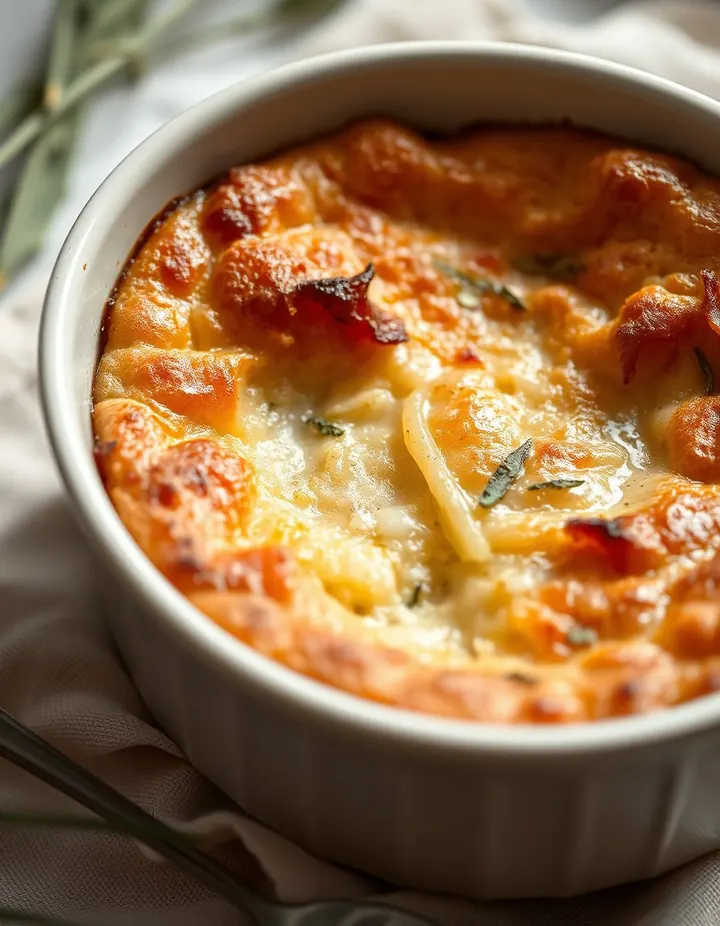 Onion Pudding9 recipes
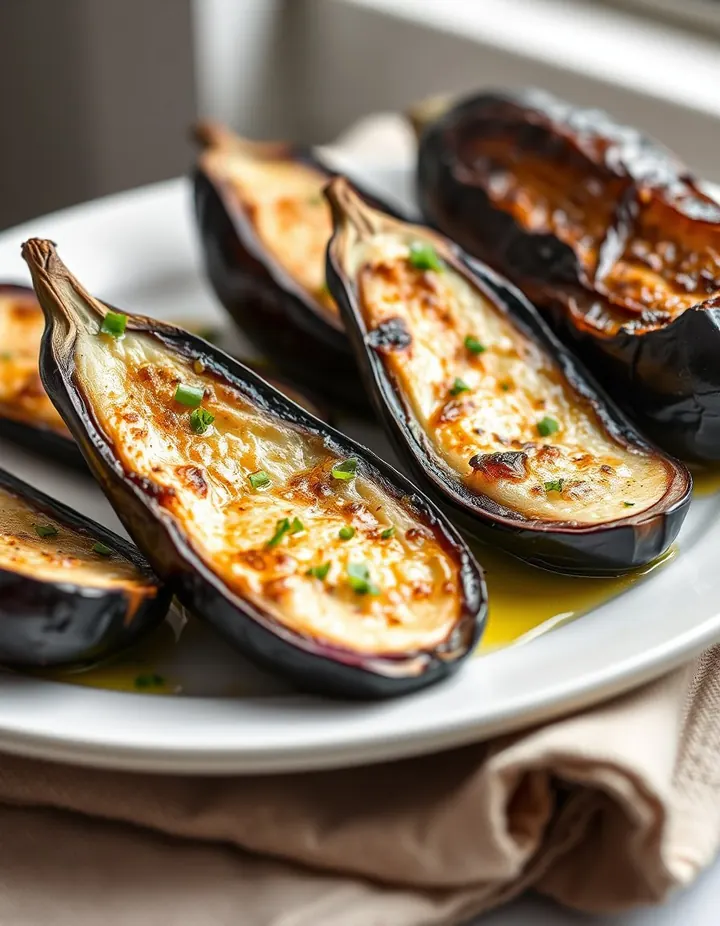 Eggplant Cakes34 recipes
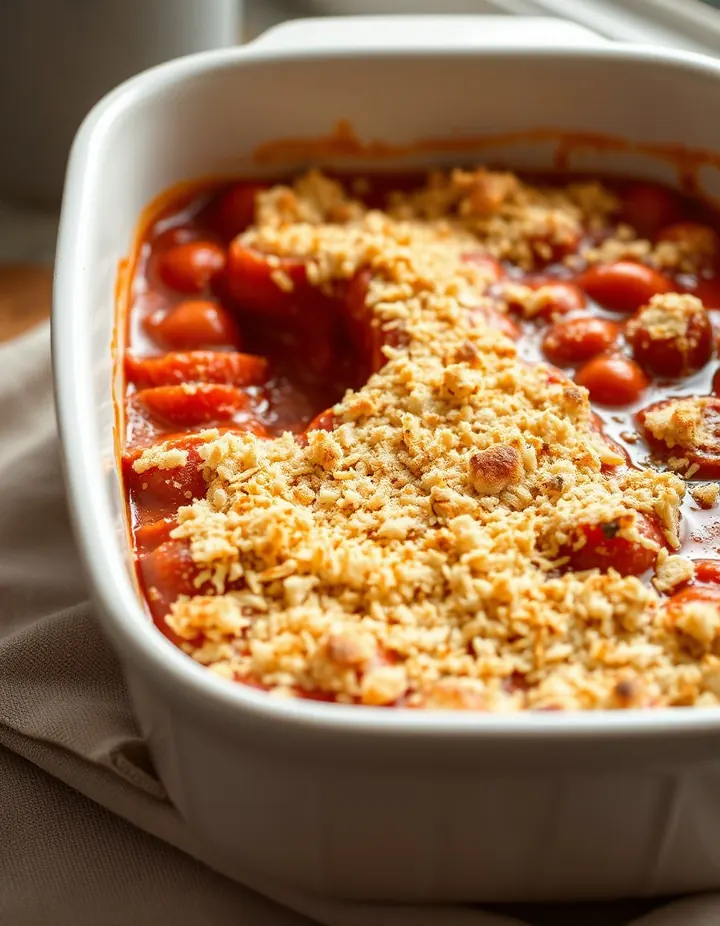 Escalloped Tomatoes (Scalloped Tomatoes)25 recipes
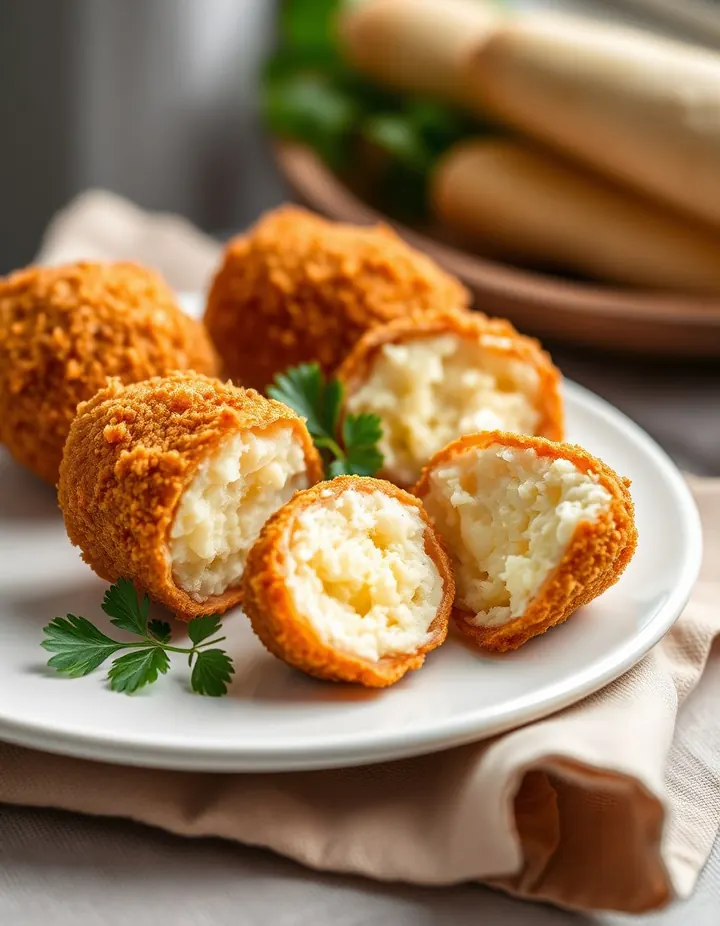 Parsnip Croquettes12 recipes
The free Flavor Lab newsletter: one surprising pairing a week and the molecular reason it works, in 60 seconds. No spam, unsubscribe anytime.
Prefer an account? Create a free account to save pairings and unlock the full chemistry.