Why it works: Flour and egg are a kitchen classic. They rank in the top 15% of all ingredient pairs, and 106,462 recipes mention both. Both carry isobutyraldehyde, which smells malty, green. The science ↓
Gateaux De Comfiegne
Ingredients
Directions
Make the paste
Take some flour and, with a third, make a paste with hot water and yeast.
Make it soft and let it rise half an hour, covered with a warm cloth folded in four.
When it has risen, mix the rest of the flour with it.
Add some salt, and if you have used two gallons of flour, add the yolks of ten eggs and a pound and a half of butter.
Mix it well together and knead it.
Let it rise seven or eight hours.
Shape and bake
Take the same paste as you make brioches with.
Add some grated candied citron.
Fold a pasteboard into a round shape and place it on a tin plate.
Fill it with your paste.
Let it rise three hours near the fire.
Put it into the oven.
When done, take off the pasteboard.
Glaze it with nonpareil comfits.
Form it into cakes the size and thickness you like, and bake them.
Egg them over to give colour.
Transcribed from a scanned cookbook and modernised for today's kitchens. Where the book gave no heat or time, or said "a moderate oven", the temperatures and times here may be modern equivalents rather than the book's own figures. See the original page.
Explore the science
The flavor team
The pairs that carry this dish. Each one is judged two ways: how much aroma chemistry they share, and how many recipes mention both.
-
Flour + eggtop 15% of all pairsAroma overlaplowMentioned together106,462 recipes
Shared aroma: isobutyraldehyde (malty, green).
Flour and egg share little aroma chemistry, yet 106,462 recipes mention both: they likely work on texture and structure more than aroma.
Ranks compare each pair with 20,000 random ingredient pairs on CompKitchen. How we score pairs
What each ingredient does
- Flour
- Forms the main structure of the dough, setting and firming as it bakes.
- Eggs
- Yolks enrich the dough, adding tenderness, colour and a richer crumb.
- Butter (in the method)
- Adds fat that softens the crumb and gives a richer, more tender texture.
- Yeast (in the method)
- Produces gas during rising, making the dough light and airy.
The step that matters
Letting the dough rise fully. Yeast needs enough time and warmth to produce gas. Under-proofed dough bakes dense, while the long rise develops the airy structure the cakes depend on.
“What each ingredient does” and “The step that matters” were written by Claude from this recipe’s own method and reviewed in samples by CompKitchen.
You might also like
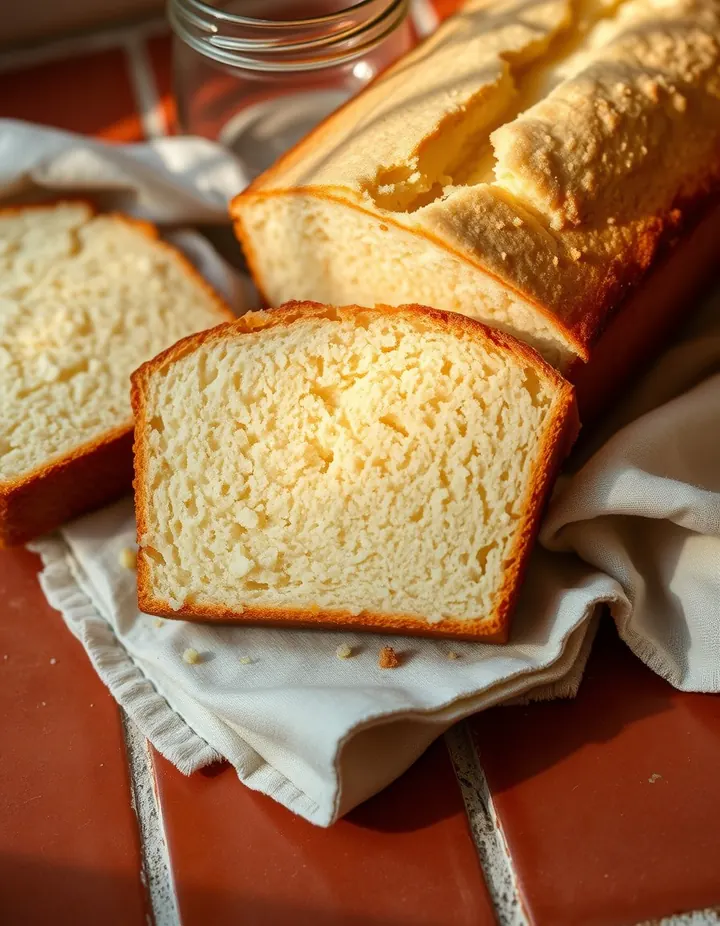 Delicate Cake246 recipes
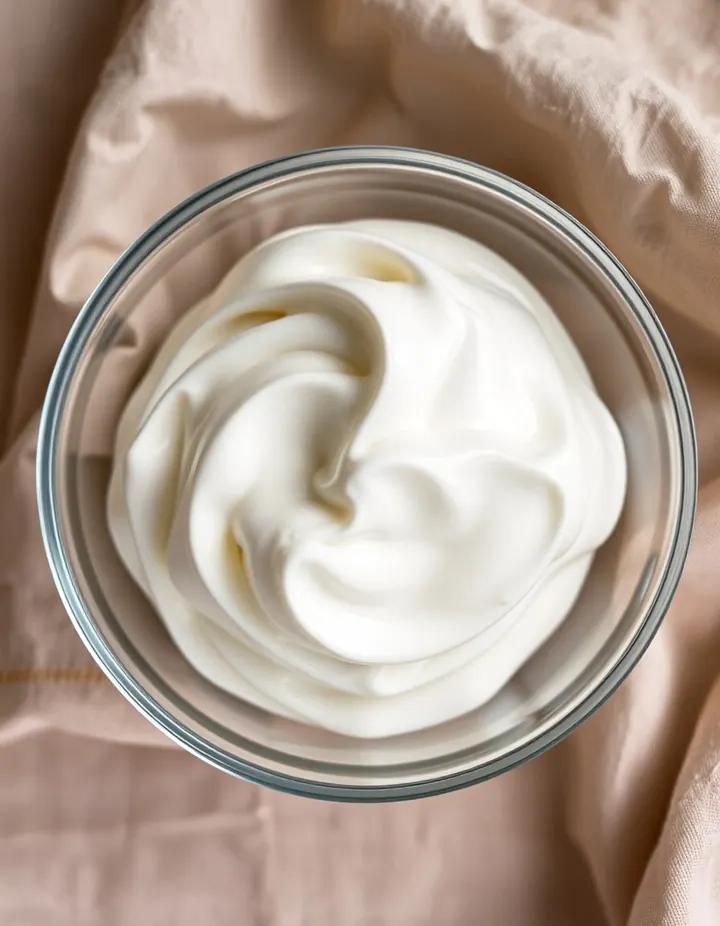 Boiled Frosting69 recipes
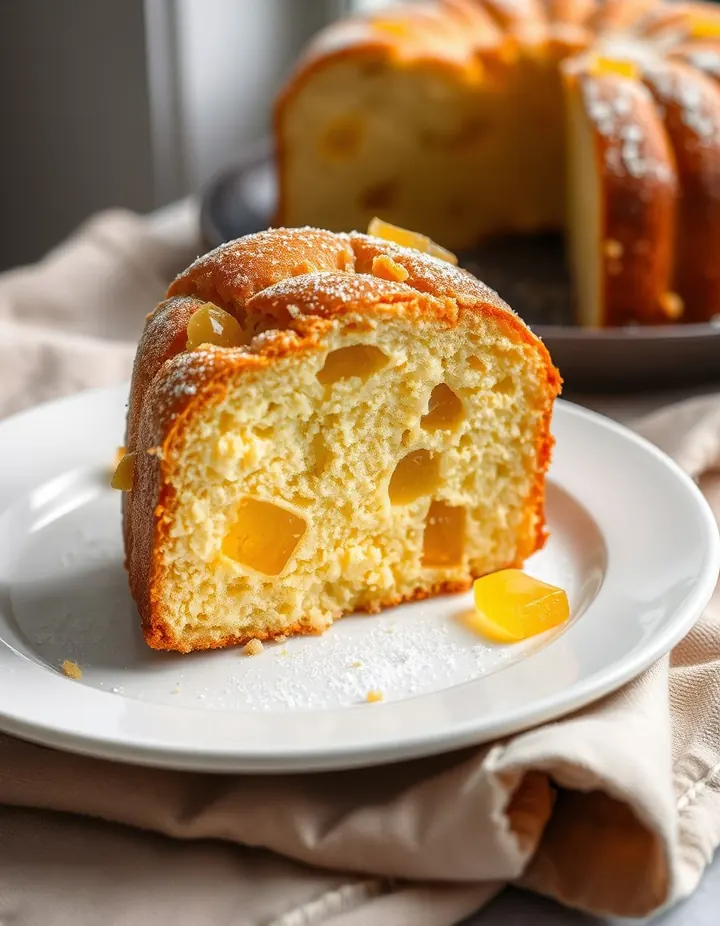 Citron Cake68 recipes
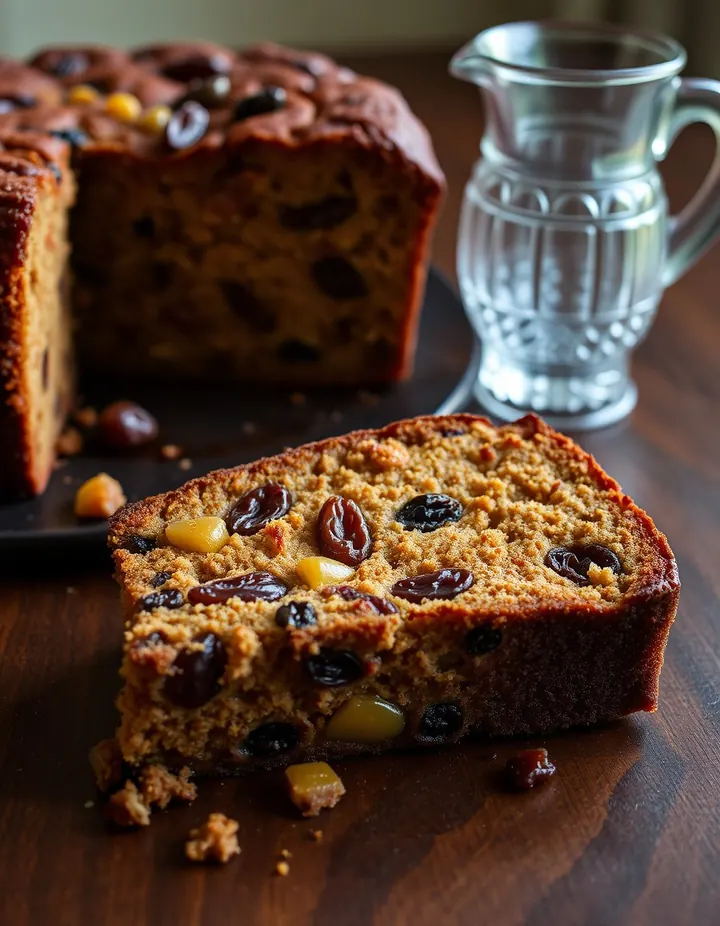 Scotch Cake63 recipes
The Sunday pairing: one pairing, the chemistry behind it, and how to cook it. No spam, unsubscribe anytime.
Prefer an account? Create a free account for sign-in; Pro adds the full results and chemistry.