Why it works: Milk and flour are a kitchen classic. They rank in the top 14% of all ingredient pairs, and cooks put them together in 78,219 recipes. Both carry isobutyraldehyde, which smells malty, green. The science ↓
Coarse Bread , Germ Flour Bread
Ingredients
Directions
In a test I had some time ago, I produced no 4-lb. loaves, weighed in dough at 4 lbs. 6 ozs., out of 20 stone of this flour; but I may say that the flour was stone-dressed, and milled in the old style. This same class of flour was in general use in Scotland twenty years ago, and was generally made into coarse or second bread, and coarse “ twopennies.” Many a poor family — ay, and rich families too — have thriven and had their hearts made glad on the produce of this grade of flour.
To make Coarse Bread. — Take, say 1 gallon of water, at the same temperature as for wheat meal bread ; dissolve ij ozs. of yeast, and the same quantity of salt, in the water; make into an ordinary-sized sponge, and when ready in the morning add half a gallon of water and about 4 ozs. of salt ; then make all into a dough, and work, off as other doughs.
This flour can be sponged the same way as fine flour for a quick or flying sponge, only care should be used in not setting the sponge too warm, as I find that it ferments and works more quickly than the finer grades of flour.
10. — Germ Flour Bread.
Germ flour is amongst one of the newest kinds of flour placed before the public as a speciality. It is in appearance some- thing like granulated wheat meal, and the vendors of it claim to have found a new process of removing the germ from the flour, and subjecting it to a certain process before it is again mixed with the flour. I am having germ bread made almost daily. Our mode of making it is as follows : —
Dissolve ozs. of yeast in half a gallon of water, say 90 0 Fahr., and mix with this about 7 lbs. of germ flour ; it should be ready in about an hour and a half ; weigh off and prove ; use no salt, as we think there is a certain amount of salt (or
2\ BREAD AND BISCUIT BAKERS' ASSISTANT.
some substitute for salt) ground amongst the flour. For this class of bread it makes a very nice-eating loaf.
11. — Tea-Cakes.
To be able to make a good tea-cake is considered a great point in the baking trade. The following not only makes good tea-cakes, but also capital Scotch cookies.
Take £ a gallon of water at, say, 940 Fahr. ; add 1 lb. of moist sugar, 5 ozs. of German yeast ; dissolve all together, add, say, ii lb. of flour and mix. When well risen, add 1 lb. of lard and butter, 2 ozs. of salt, a few currants to taste ; mix all together into tea-cake dough. Let it remain in a warm place for about half an hour, then weigh off at 8 or 9 ozs. for 2d. ; prove, and bake.
12.— Queen’s Bread.
This can be made with the same dough, but omitting the currants, and making the dough tighter than for tea-cakes ; add 1 egg to each pound of dough. Weigh at 3 ounces for a penny, and make into different shapes, such as half-moons, cart-wheels, twists, &c.
13. — Sally Luns, Yorkshire, or Tea Cakes.
Take 1 quart of milk, £ lb. of moist sugar, and 2 ozs. of German yeast. Ferment this with a little flour, and when ready, add £ lb. of butter (some add also 4 eggs to this quantity) and make into dough as for tea-cakes ; butter some rings or hoops, and place them on buttered tin^, weigh or divide into 5 or 6 ozs. for twopence ; mould them round, put them in the hoops, and, when half proved, make a hole in each with a piece of stick. Do not overprove them, or they will eat poor and dry. When baked, which will be in about ten or fifteen minutes, wash over the top with egg and milk.
14. — Muffins.
Sift through the sieve 4 lbs. of good Hungarian flour ; take as much water and milk as will make the above into a nice-sized batter, having previously dissolved 2 ozs. of yeast, 1 oz. of sugar, and f oz. of salt in the liquid ; then beat this well with your hand for at least ten minutes ; after it has half risen in your pan beat again for other ten minutes ; then let it stand till ready, which you will know by the batter starting to drop. Have one of your roll-boards well dusted with sifted flour, and with your hand lay out the mufflns in rows. The above mix- ture should produce 24 mufflns. Then, with another roll- board slightly dusted with rice flour, take the mufflns and with your fingers draw the outsides into the centre, forming a round cake ; draw them into your hand and brush off any flour that may be adhering to them ; place them on the board dusted with rice, and so on till all are finished ; then put them in the prover to prove, which does not take long. The heat of the liquid for mufflns (or crumpets) should range from 90° to ioo° Fahr., according to the temperature of the bakehouse.
One great point to guard against in fermenting cakes or bread, is to see that your sponge or dough does not get chilled. By the time your mufflns are ready, have the stove or hot plate properly heated, then row them gently on to the hot plate so as not to knock the proof out of them ; when they are a nice brown turn them gently on the other side and bake a nice delicate brown.
15. Another way . — Some persons now make mufflns after the same formula as for tea cakes, namely, moulding one in each hand and pinning out the size required, then proving and baking. I have tried that way more than once, but I cannot get the mufflns to appear anything like what my experience
Nutrition, whole recipe (rough)
Counts 4 of 6 ingredients. The other 2 aren't in our nutrition table and add nothing above, so the real totals are higher.
What these numbers assume: 4 portions
| Ingredient | Portion assumed | kcal |
|---|---|---|
| Flour | 1 cup (125g) all-purpose | 455 |
| Milk | 1 cup (244ml) whole | 149 |
| Egg | 1 large egg (50g) | 78 |
| Salt | 1 tsp (6g) | 0 |
| Water | not in our table | 0 |
| Cake | not in our table | 0 |
One typical portion per ingredient; the recipe's quantities are not counted. A rough guide only, not for medical or dietary planning.
Transcribed from a scanned cookbook and modernised for today's kitchens. Where the book gave no heat or time, or said "a moderate oven", the temperatures and times here may be modern equivalents rather than the book's own figures. See the original page.
Explore the science
The flavor team
The pairs that carry this dish. Each one is judged two ways: how much their aromas overlap, and how often cooks already put them together.
-
Milk + flourtop 14% of all pairsSmell alikelowCooked together78,219 recipes
Shared aroma: isobutyraldehyde (malty, green).
-
Flour + eggtop 15% of all pairsSmell alikelowCooked together106,462 recipes
Shared aroma: isobutyraldehyde (malty, green).
-
Milk + eggtop 18% of all pairsSmell alikemoderateCooked together88,785 recipes
Shared aroma: 2-nonenal (fatty, green).
Milk and flour barely smell alike, yet cooks put them together in 78,219 recipes: they work on texture and structure more than aroma.
Ranks compare each pair with 20,000 random ingredient pairs on CompKitchen. How we score pairs
You might also like
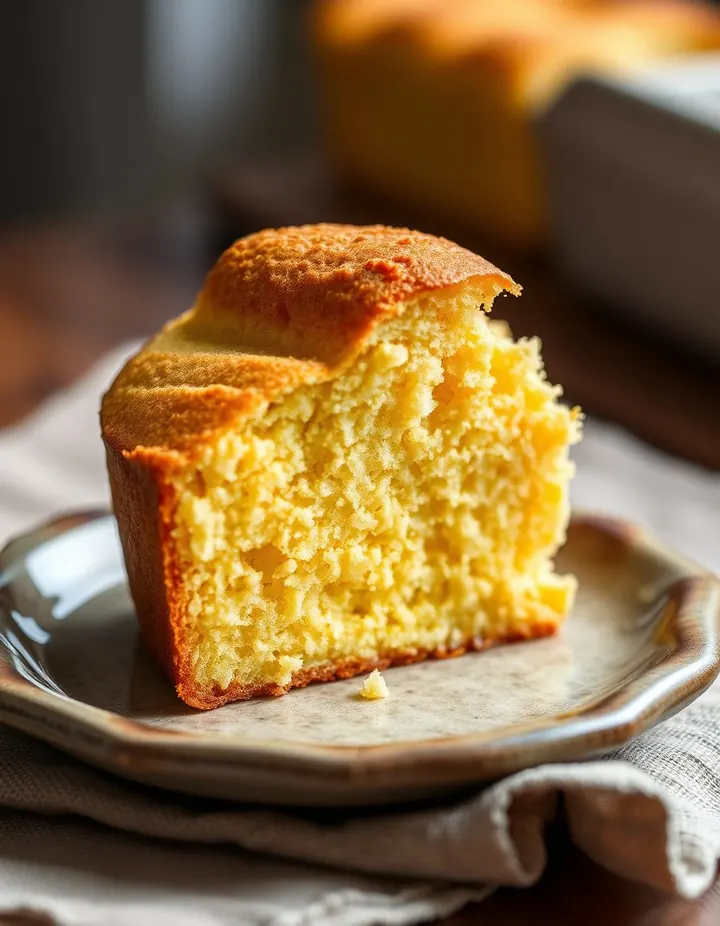 Cornbread345 recipes
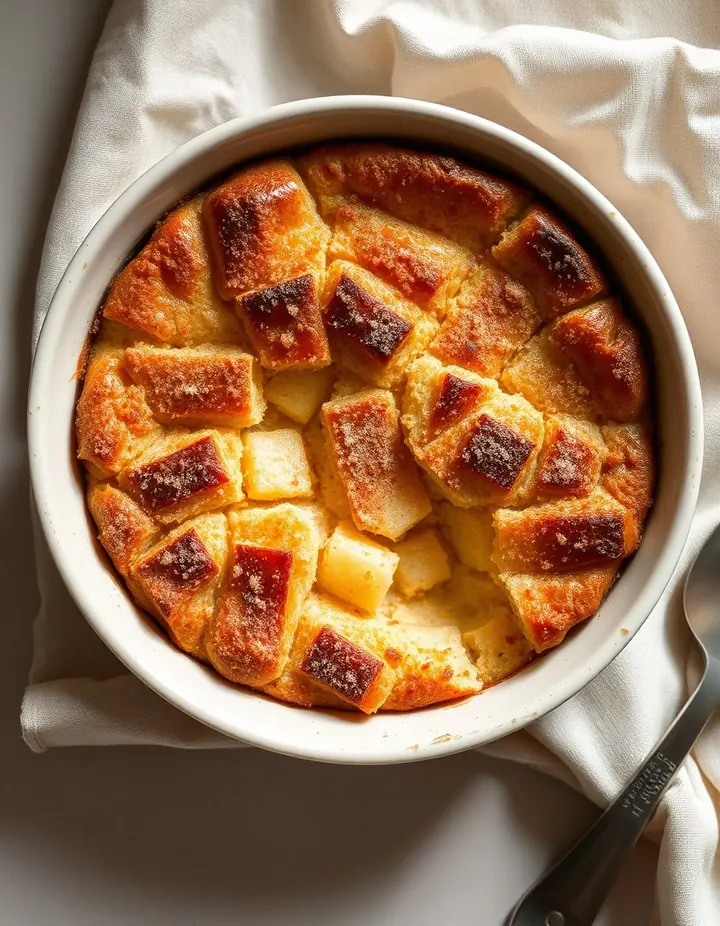 Bread Pudding336 recipes
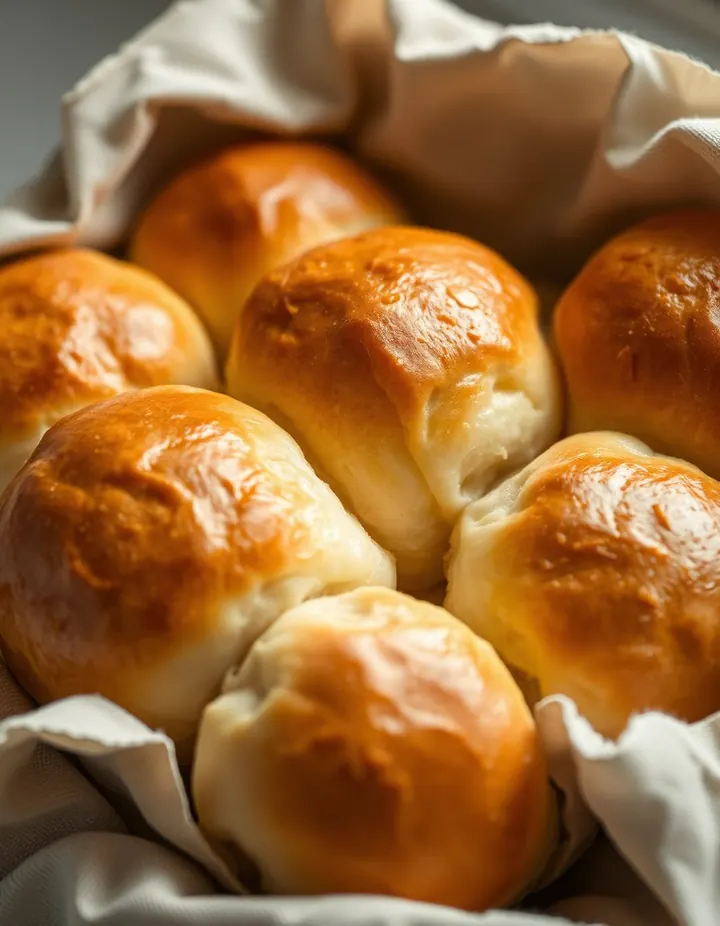 Milk Bread Rolls242 recipes
 Potato Bread124 recipes
The free Flavor Lab newsletter: one surprising pairing a week and the molecular reason it works, in 60 seconds. No spam, unsubscribe anytime.
Prefer an account? Create a free account to save pairings and unlock the full chemistry.