Why it works: Egg and bread are a kitchen classic. They rank in the top 13% of all ingredient pairs, and 22,662 recipes mention both. Both carry (e)-2-octenal, which smells fatty, green. The science ↓
The Bakers Guide
Ingredients
Directions
Make the sponge
Warm 2 quarts water and 1 pint milk to blood heat, about 90 degrees F, in a large bowl free from grease.
Mix the yeast, mashed potatoes, sugar and about 1 lb of flour into the warmed liquid.
Set the sponge in a warm place to ferment for about three hours, until it drops.
Make the dough
Mix the powdered salt into the sponge.
Rub the butter carefully into the remaining flour, then mix it into the sponge.
Make the dough soft, adding flour with care only if necessary.
Prove the dough for another hour.
Fold the dough lightly, using a little flour or ground rice to keep it from sticking.
Shape, prove and bake
Weigh into pieces, make them round, and cover for a few minutes.
Mould the pieces into oval or egg shapes, and make the larger ones into long rolls with pointed ends.
Prove the rolls in a drawer or cupboard for half an hour.
Cut or score the tops three or four times slantwise.
Wash with a little milk if a golden hue is wanted.
Bake in an oven of good heat, not rash or scorching.
Transcribed from a scanned cookbook and modernised for today's kitchens. Where the book gave no heat or time, or said "a moderate oven", the temperatures and times here may be modern equivalents rather than the book's own figures. See the original page.
Explore the science
The flavor team
The pairs that carry this dish. Each one is judged two ways: how much aroma chemistry they share, and how many recipes mention both.
-
Egg + breadtop 13% of all pairsAroma overlapmoderateMentioned together22,662 recipes
Shared aroma: (e)-2-octenal (fatty, green).
Ranks compare each pair with 20,000 random ingredient pairs on CompKitchen. How we score pairs
What each ingredient does
- Flour (in the method)
- Forms the gluten network that gives the rolls their structure and chew.
- Yeast
- Ferments the sponge, producing carbon dioxide gas that makes the dough rise.
- Butter (in the method)
- Adds fat that tenderises the crumb and softens the dough texture.
- Milk (in the method)
- Enriches the dough and, brushed on top, promotes a golden browned crust.
- Sugar (in the method)
- Feeds the yeast during fermentation and contributes to crust browning and sweetness.
The step that matters
Bake in an oven of good heat, not rash or scorching.. Too little heat lets the rolls dry out before they rise fully, while excessive heat sets and browns the crust before the interior is cooked through, leaving a pale, dense or scorched result.
“What each ingredient does” and “The step that matters” were written by Claude from this recipe’s own method and reviewed in samples by CompKitchen.
You might also like
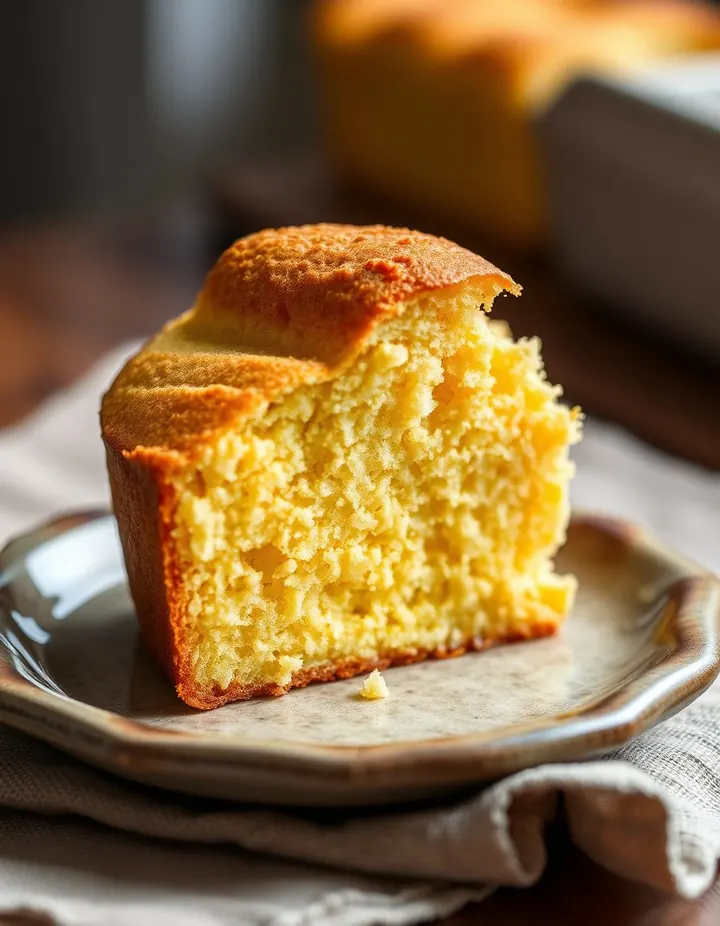 Cornbread345 recipes
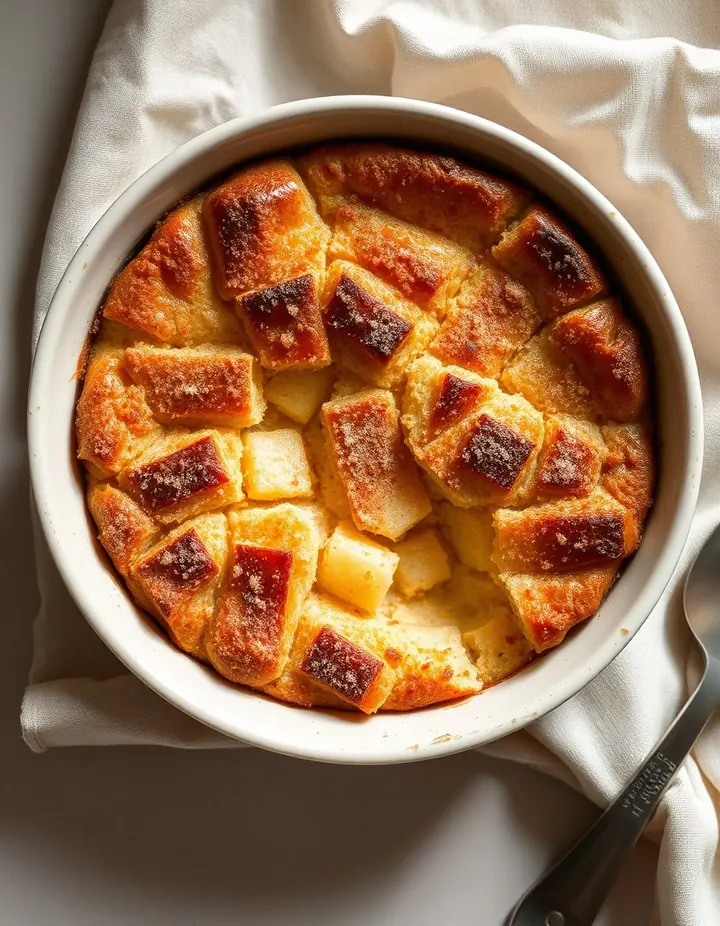 Bread Pudding336 recipes
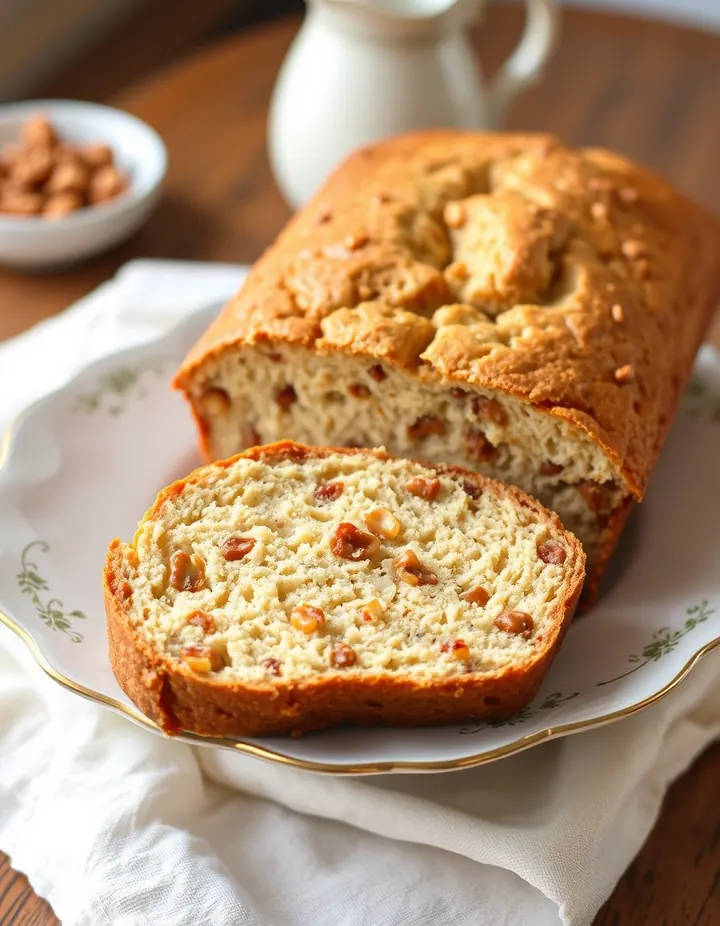 Nut Bread109 recipes
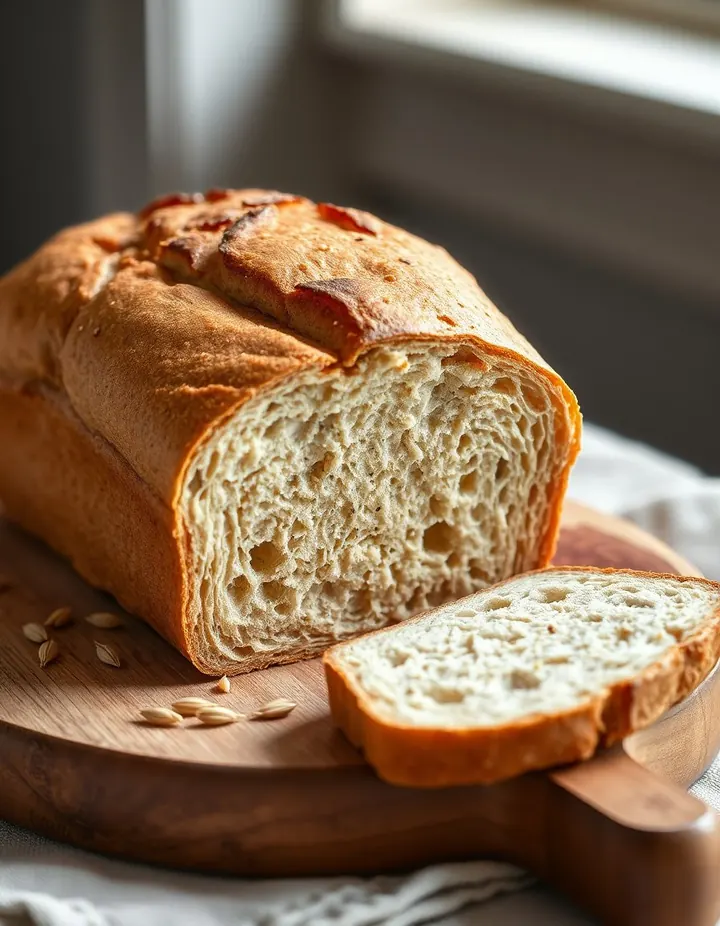 Wheat Bread65 recipes
The Sunday pairing: one pairing, the chemistry behind it, and how to cook it. No spam, unsubscribe anytime.
Prefer an account? Create a free account for sign-in; Pro adds the full results and chemistry.