Why it works: Sugar and lemon are a kitchen classic. They rank in the top 10% of all ingredient pairs, and 53,530 recipes mention both. Both carry 2-nonenal, which smells fatty, green. The science ↓
The recipe
Ingredients
Contains: egg, milk, wheat, fish (auto-detected from the ingredients and method; we can miss things, so check labels)
Also mentioned in the method: egg, butter, flour, breadcrumbs
Directions
Preheat the oven to 350°F (175°C). Pat the cleaned carp dry with paper towels inside and out. Do not rinse it.
Bake the forcemeat in a small greased dish until it reaches 165°F (74°C) inside, about 20 minutes. Let it cool slightly.
Stuff the carp with the cooked forcemeat and sew it closed. Brush the fish with beaten egg and sprinkle with the bread crumbs.
Lay the carp in a deep ovenproof dish. Dot with the butter, then add the stock, sliced onions, bay leaf, herbs, port, and anchovies.
Bake uncovered for about 1 hour, until the thickest part of the fish reaches 145°F (63°C) and flakes easily with a fork.
Lift the carp onto a warm serving dish. Strain the cooking liquor into a measuring jug.
Melt the 1 oz butter in a saucepan. Stir in enough flour to make a smooth paste, cook 1 minute, then gradually stir in the strained liquor.
Simmer the sauce, stirring, until thickened. Add the lemon juice, powdered sugar, cayenne and salt to taste. Serve the carp with the sauce on the side.
Refrigerate leftover fish and sauce within 2 hours and eat within 3 to 4 days.
Original text from the book (6 steps)
242. INGREDIENTS--1 carp, forcemeat, bread crumbs, 1 oz. butter, 1/2 pint of stock No. 105, 1/2 pint of port wine, 6 anchovies, 2 onions sliced, 1 bay-leaf, a faggot of sweet herbs, flour to thicken, the juice of 1 lemon; cayenne and salt to taste; 1/2 teaspoonful of powdered sugar.
_Mode_.--Stuff the carp with a delicate forcemeat, after thoroughly cleansing it, and sew it up to prevent the stuffing from falling out. Rub it over with an egg, and sprinkle it with bread crumbs, lay it in a deep earthen dish, and drop the butter, oiled, over the bread crumbs. Add the stock, onions, bay-leaf, herbs, wine, and anchovies, and bake for 1 hour. Put 1 oz. of butter into a stewpan, melt it, and dredge in sufficient flour to dry it up; put in the strained liquor from the carp, stir frequently, and when it has boiled, add the lemon-juice and seasoning. Serve the carp on a dish garnished with parsley and cut lemon, and the sauce in a boat.
_Time_.--1-1/4 hour. _Average cost_. Seldom bought.
_Seasonable_ from March to October.
_Sufficient_ for 1 or 2 persons.
THE CARP.--This species of fish inhabit the fresh waters, where they feed on worms, insects, aquatic plants, small fish, clay, or mould. Some of them are migratory. They have very small mouths and no teeth, and the gill membrane has three rays. The body is smooth, and generally whitish. The carp both grows and increases very fast, and is accounted the most valuable of all fish for the stocking of ponds. It has been pronounced the queen of river-fish, and was first introduced to this country about three hundred years ago. Of its sound, or air-bladder, a kind of glue is made, and a green paint of its gall.
From a scanned old cookbook. The method has been rewritten by AI to follow current food-safety guidance (safe cooking temperatures, refrigeration, no raw-egg shortcuts). It hasn't been kitchen-tested. The original text is under the method. See the original page.
Found this recipe through an AI assistant? CompKitchen also shows which ingredients go well together and why, from the aroma molecules they share and how often recipes combine them. Try the pairing tools.
Explore the science
The flavor team
The pairs that carry this dish. Each one is judged two ways: how much aroma chemistry they share, and how many recipes mention both.
-
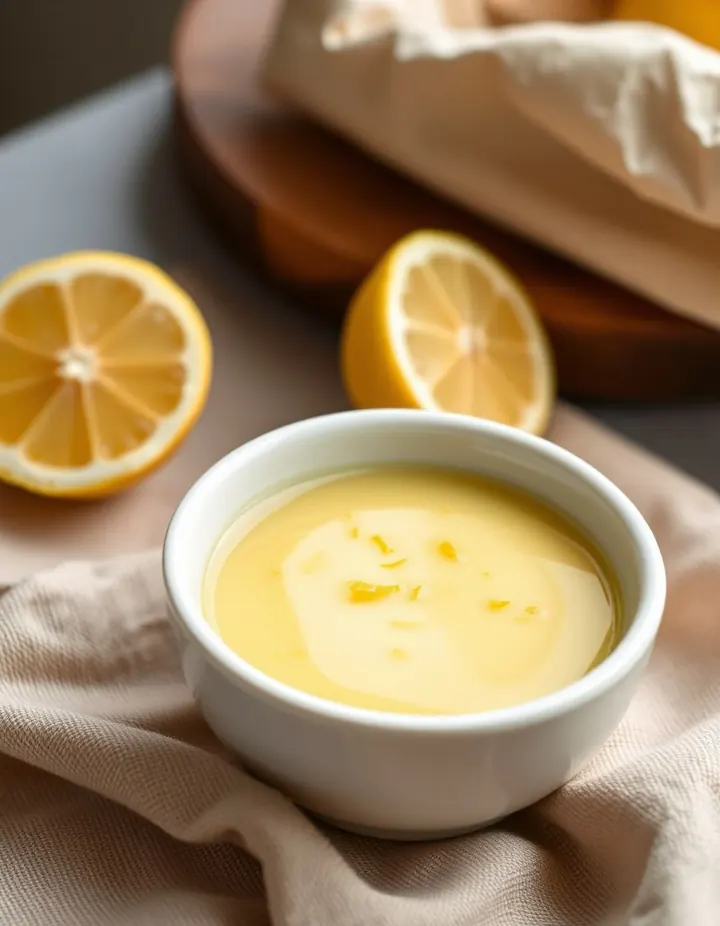
Sugar + lemontop 10% of all pairsAroma overlaplowMentioned together53,530 recipes
Shared aroma: 2-nonenal (fatty, green).
-
Port wine + oniontop 10% of all pairsAroma overlapmoderateMentioned together1,148 recipes
Shared aroma: guaiacol (smoky, sweet).
-
Port wine + lemontop 11% of all pairsAroma overlapmoderateMentioned together1,100 recipes
Shared aroma: trans-2-hexenal (green, leafy).
-
Port wine + sugartop 14% of all pairsAroma overlaplowMentioned together805 recipes
Shared aroma: guaiacol (smoky, sweet).
-
Onion + lemontop 17% of all pairsAroma overlapmoderateMentioned together15,646 recipes
Shared aroma: acetic acid (sour, vinegar).
Sugar and lemon share little aroma chemistry, yet 53,530 recipes mention both: they likely work on texture and structure more than aroma.
Ranks compare each pair with 20,000 random ingredient pairs on CompKitchen. How we score pairs
Flavor stand-ins for the onion
How well each one fits the dish's main ingredients (port wine, sugar, lemon):
- Capsicumbetter flavor fit
- Shallotbetter flavor fit
- Arrowrootbetter flavor fit
- Onionthe original
Fit is the average pairing score against port wine, sugar, lemon. Candidates are from the same food group and used in at least 100 recipes. This compares flavor only: it does not check the job the ingredient does in the dish (bulk, moisture, acidity, structure).
Make it your own
Stand-ins, a drink, and quick taste fixes for this dish, ranked by how well each fits its other ingredients: shared aroma molecules and how often recipes combine them.
You might also like
 Illustration
 Illustration
 Illustration
 Illustration
The Sunday pairing: one pairing, the chemistry behind it, and how to cook it. No spam, unsubscribe anytime.
Prefer an account? Create a free account for sign-in; Pro adds the full results and chemistry.