Why it works: Cream and orange are a kitchen classic. They rank in the top 17% of all ingredient pairs, and 4,166 recipes mention both. Both carry 1-octen-3-one, which smells mushroom, metallic. The science ↓
A Pretty Dish of Oranges
Ingredients
Directions
Prepare the candy and oranges
Put the sugar and water into a saucepan and boil until the sugar becomes brittle, testing by dipping a small quantity in cold water.
Peel the oranges, remove as much of the white pith as possible, and slice them into nice-sized pieces without breaking the thin white skin.
Place the orange slices on small skewers, dip them into the hot sugar, and arrange them in layers around a plain mould that has been well oiled with salad oil.
Assemble and serve
Line the sides of the mould with the oranges, leaving the centre open for the cream.
Let the sugar firm by cooling; turn the oranges carefully onto a dish, and fill the centre with whipped cream flavored with liqueur and sweetened with pounded sugar.
Transcribed from a scanned cookbook and modernised for today's kitchens. Where the book gave no heat or time, or said "a moderate oven", the temperatures and times here may be modern equivalents rather than the book's own figures. See the original page.
Explore the science
The flavor team
The pairs that carry this dish. Each one is judged two ways: how much aroma chemistry they share, and how many recipes mention both.
-
Cream + orangetop 17% of all pairsAroma overlaplowMentioned together4,166 recipes
Shared aroma: 1-octen-3-one (mushroom, metallic).
Ranks compare each pair with 20,000 random ingredient pairs on CompKitchen. How we score pairs
What each ingredient does
- Oranges
- Form the edible shell and give the dessert its citrus flavour and aroma.
- Sugar (in the method)
- Forms a hard, glossy candy coating on the oranges as it cools and sets.
- Cream
- Adds moisture and richness to the filling; whipping traps air for a light texture.
- Liqueur
- Adds aroma and flavour to the whipped cream filling.
The step that matters
Boiling the sugar to brittle. The sugar must reach the brittle stage so it sets hard as it cools and holds the oranges together. If it is underheated it stays sticky and the shell will not firm up or release cleanly from the mould.
“What each ingredient does” and “The step that matters” were written by Claude from this recipe’s own method and reviewed in samples by CompKitchen.
You might also like
 Orange Bundt Cake349 recipes
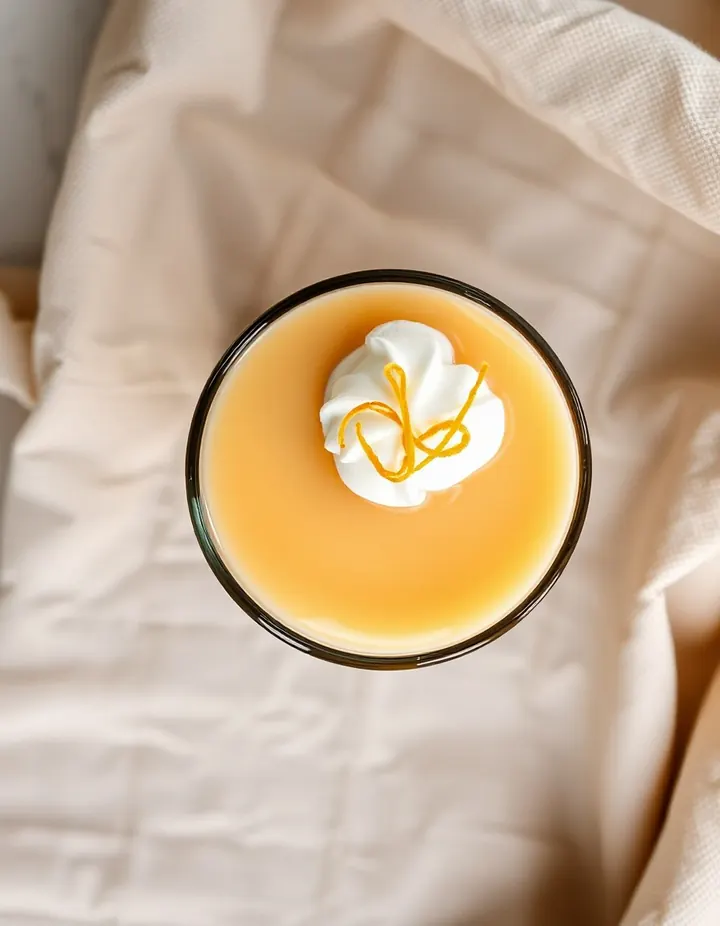 Orange Cream Rice Pudding121 recipes
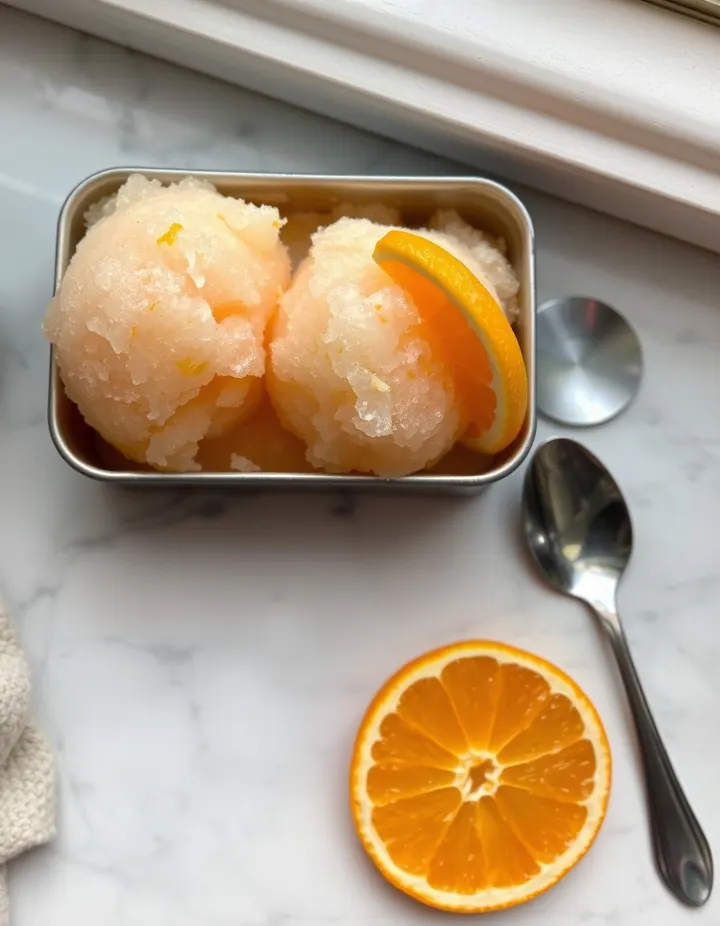 Orange Gelatin100 recipes
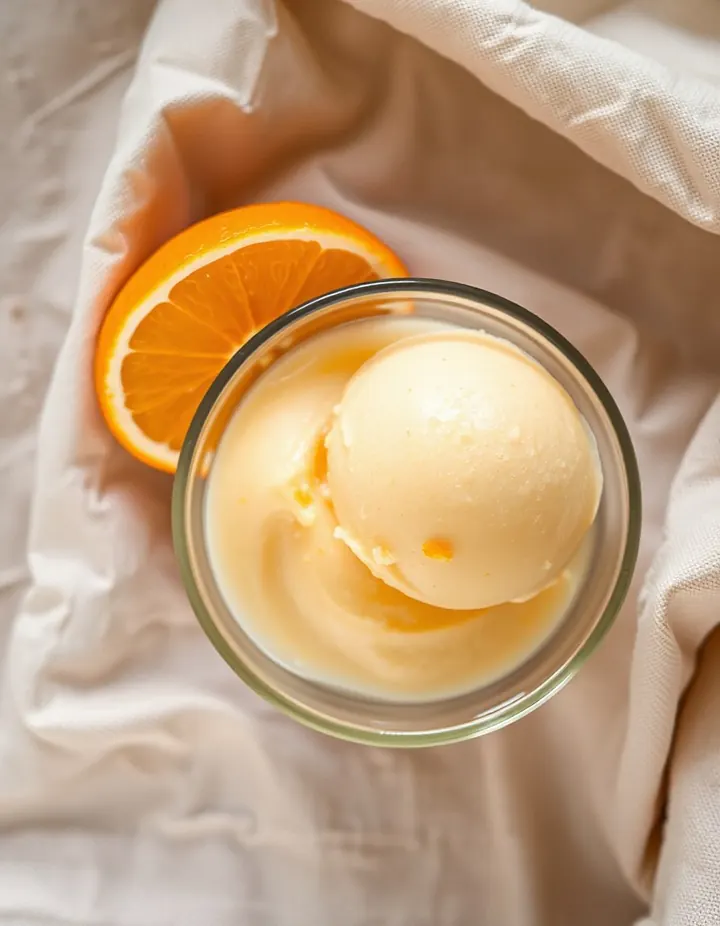 Orange Sherbet73 recipes
The Sunday pairing: one pairing, the chemistry behind it, and how to cook it. No spam, unsubscribe anytime.
Prefer an account? Create a free account for sign-in; Pro adds the full results and chemistry.