To Make Yeast for Bread
Ingredients
Directions
Make the yeast
Boil the hops in the water for 20 minutes.
Let the mixture stand for about 5 minutes.
Add the boiled hops to 1 lb of bruised malt prepared as for brewing.
Let the mixture stand covered until about lukewarm.
Add not quite 1/2 pint of yeast.
Keep it warm and let it work 3 or 4 hours.
Put the mixture into small 1/2‑pint bottles (ginger‑beer bottles are best).
Cork the bottles well and tie them down.
Yeast is now ready for use; it will keep good for a few weeks.
Make the bread
When required for use, boil 3 lbs of potatoes without salt.
Mash the boiled potatoes in the same water in which they were boiled.
Rub the mashed potatoes through a colander.
Stir in about 1/2 lb of flour.
Add the yeast, pouring it in the middle of the flour.
Let it stand warm on the hearth all night.
In the morning, let it be quite warm when it is kneaded.
Open the bottles of yeast carefully, as it is generally exceedingly ripe.
Transcribed from a scanned cookbook and modernised for today's kitchens. Where the book gave no heat or time, or said "a moderate oven", the temperatures and times here may be modern equivalents rather than the book's own figures. See the original page.
Explore the science
What each ingredient does
- Malt (in the method)
- Provides the sugars that the yeast ferments, so the starter can work.
- Yeast
- Ferments the sugars in the starter and leavens the dough so it rises.
- Potatoes (in the method)
- Add starch and moisture to the dough, helping it stay soft and hold gas.
- Flour (in the method)
- Forms the gluten structure that traps gas and gives the bread its crumb.
The step that matters
Let it stand warm on the hearth all night. The dough must stay warm enough for the yeast to keep fermenting. If it gets too cold the rise slows or stops, and the bread comes out dense.
“What each ingredient does” and “The step that matters” were written by Claude from this recipe’s own method and reviewed in samples by CompKitchen.
More bread yeast recipes
You might also like
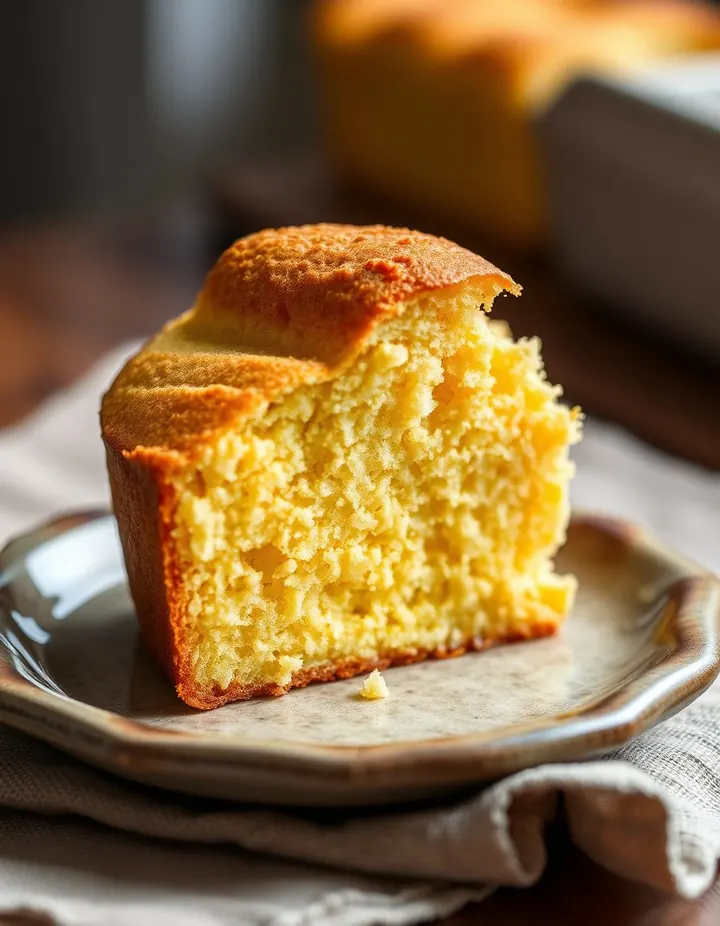 Cornbread345 recipes
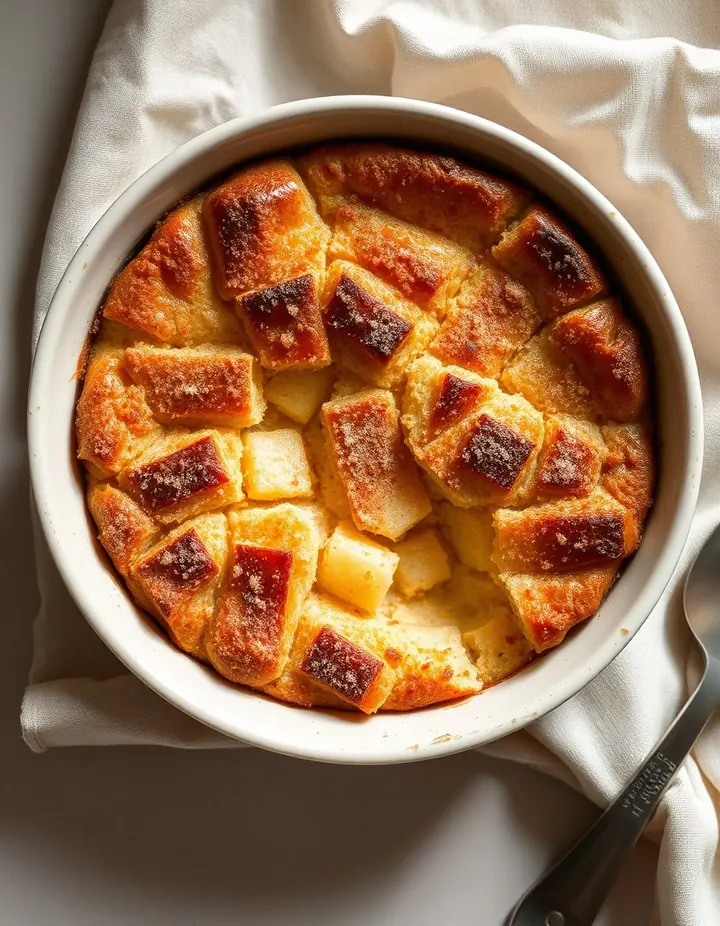 Bread Pudding336 recipes
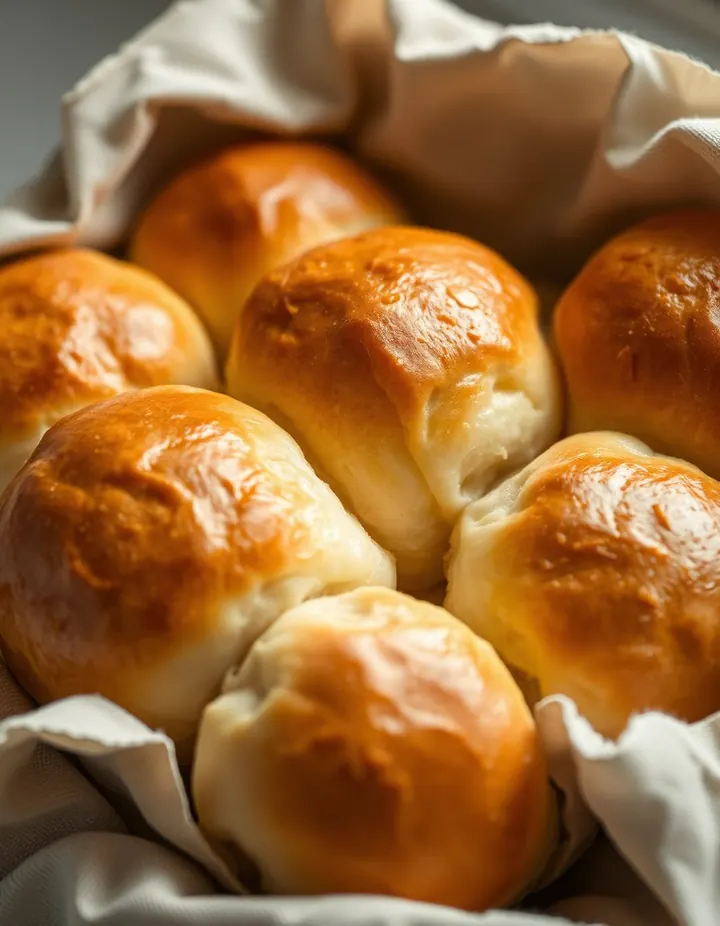 Milk Bread Rolls242 recipes
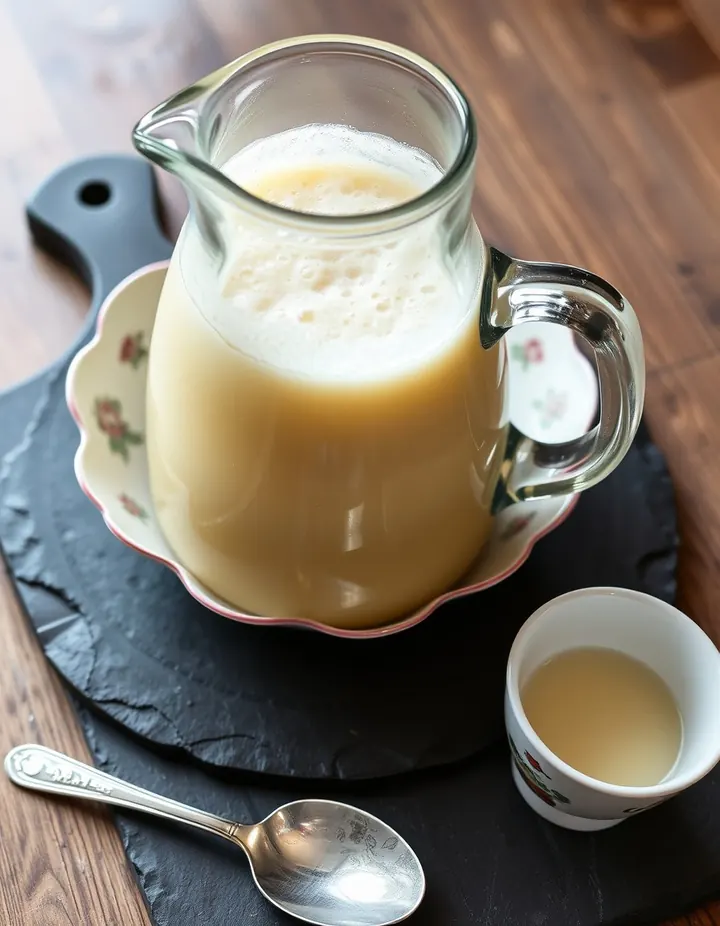 Potato Bread124 recipes
The free Flavor Lab newsletter: one surprising pairing a week and the molecular reason it works, in 60 seconds. No spam, unsubscribe anytime.
Prefer an account? Create a free account to save pairings and unlock the full chemistry.