Why it works: Milk and flour are a kitchen classic. They rank in the top 14% of all ingredient pairs, and cooks put them together in 78,219 recipes. Both carry isobutyraldehyde, which smells malty, green. The science ↓
To Make Good Home-made Bread
Ingredients
Directions
Prepare the sponge
Put the flour into a large earthenware bowl or deep pan; then, with a strong metal or wooden spoon, hollow out the middle; but do not clear it entirely away from the bottom of the pan, as, in that case, the sponge (or leaven, as it was formerly termed) would stick to it, which it ought not to do.
Next take either a large tablespoonful of brewer's yeast which has been rendered solid by mixing it with plenty of cold water, and letting it afterwards stand to settle for a day and night; or nearly an ounce of German yeast; put it into a large basin, and proceed to mix it, so that it shall be as smooth as cream, with 3/4 pint of warm milk-and-water, or with water only; though even a very little milk will much improve the bread.
Pour the yeast into the hole made in the flour, and stir into it as much of that which lies round it as will make a thick batter, in which there must be no lumps.
Strew plenty of flour on the top; throw a thick clean cloth over, and set it where the air is warm; but do not place it upon the kitchen fender, for it will become too much heated there.
Look at it from time to time: when it has been laid for nearly an hour, and when the yeast has risen and broken through the flour, so that bubbles appear in it, you will know that it is ready to be made up into dough.
Make the dough
Then place the pan on a strong chair, or dresser, or table, of convenient height; pour into the sponge the remainder of the warm milk-and-water; stir into it as much of the flour as you can with the spoon; then wipe it out clean with your fingers, and lay it aside.
Next take plenty of the remaining flour, throw it on the top of the leaven, and begin, with the knuckles of both hands, to knead it well.
When the flour is nearly all kneaded in, begin to draw the edges of the dough towards the middle, in order to mix the whole thoroughly; and when it is free from flour and lumps and crumbs, and does not stick to the hands when touched, it will be done, and may again be covered with the c
Rise and bake
Let the dough rise for an hour the first time, 3/4 hour the second time; bake from 1 to 1-1/4 hour, or bake in one loaf from 1-1/2 to 2 hours.
Transcribed from a scanned cookbook and modernised for today's kitchens. Where the book gave no heat or time, or said "a moderate oven", the temperatures and times here may be modern equivalents rather than the book's own figures. See the original page.
Explore the science
The flavor team
The pairs that carry this dish. Each one is judged two ways: how much their aromas overlap, and how often cooks already put them together.
-
Milk + flourtop 14% of all pairsSmell alikelowCooked together78,219 recipes
Shared aroma: isobutyraldehyde (malty, green).
Milk and flour barely smell alike, yet cooks put them together in 78,219 recipes: they work on texture and structure more than aroma.
Ranks compare each pair with 20,000 random ingredient pairs on CompKitchen. How we score pairs
What each ingredient does
- Flour
- Forms the bulk and gluten structure that traps gas and holds the loaf's shape.
- Yeast
- Produces carbon dioxide gas that makes the dough rise and become light.
- Milk-and-water
- Provides the liquid that hydrates the flour and forms the dough; milk adds richness and softness.
The step that matters
Keeping the sponge in the bowl's centre and warm. Leaving the flour at the pan bottom stops the sponge sticking, and warm, not overheated, air lets yeast ferment steadily; too much heat kills yeast and too little slows rising.
“What each ingredient does” and “The step that matters” were written by Claude from this recipe’s own method and reviewed in samples by CompKitchen.
You might also like
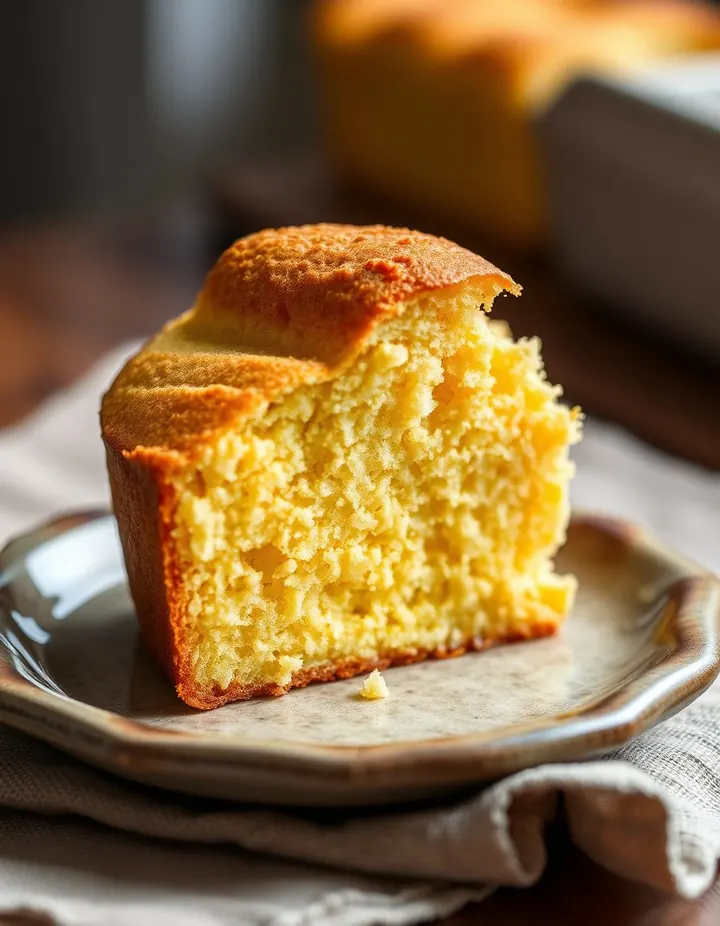 Cornbread345 recipes
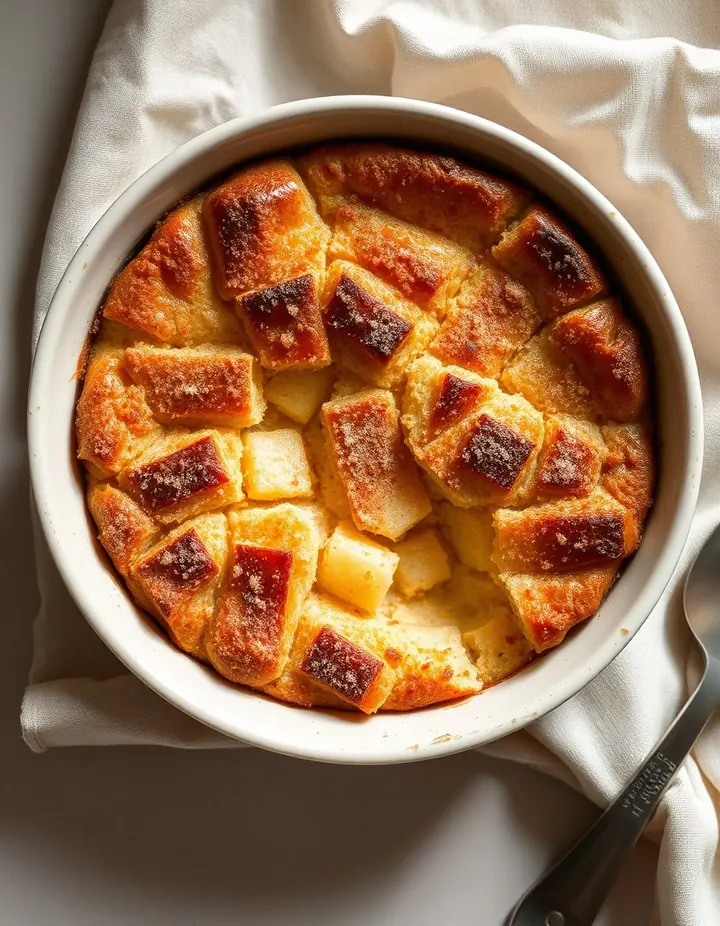 Bread Pudding336 recipes
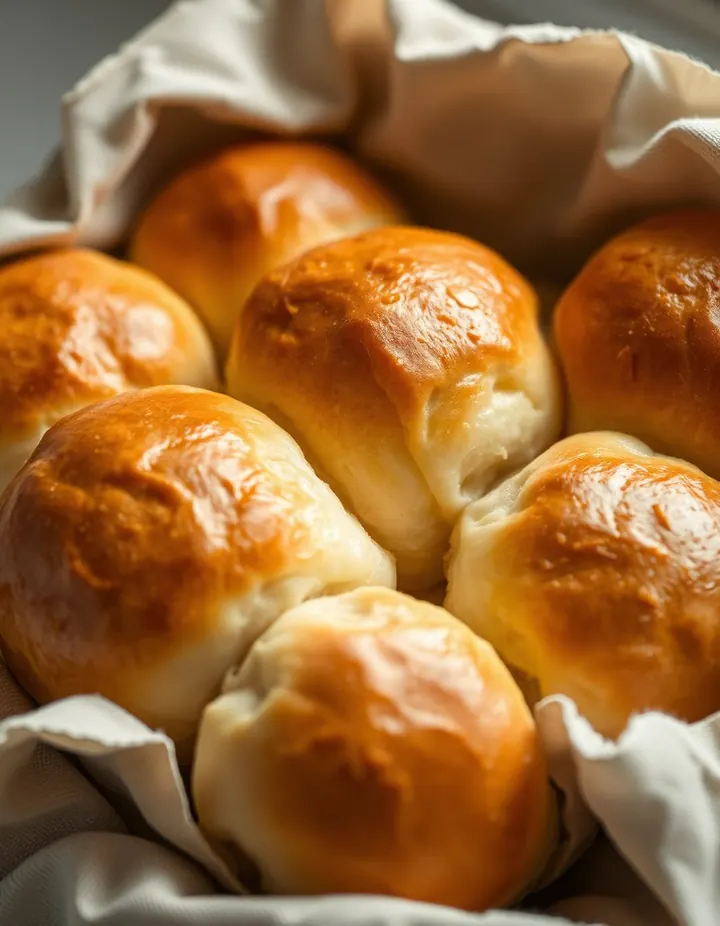 Milk Bread Rolls242 recipes
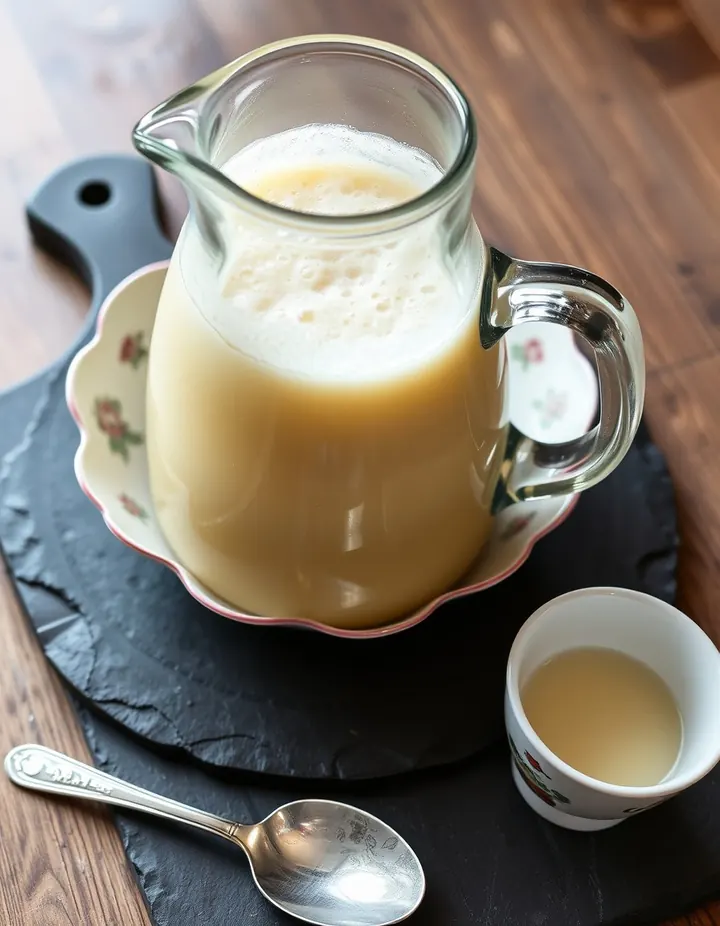 Potato Bread124 recipes
The free Flavor Lab newsletter: one surprising pairing a week and the molecular reason it works, in 60 seconds. No spam, unsubscribe anytime.
Prefer an account? Create a free account to save pairings and unlock the full chemistry.