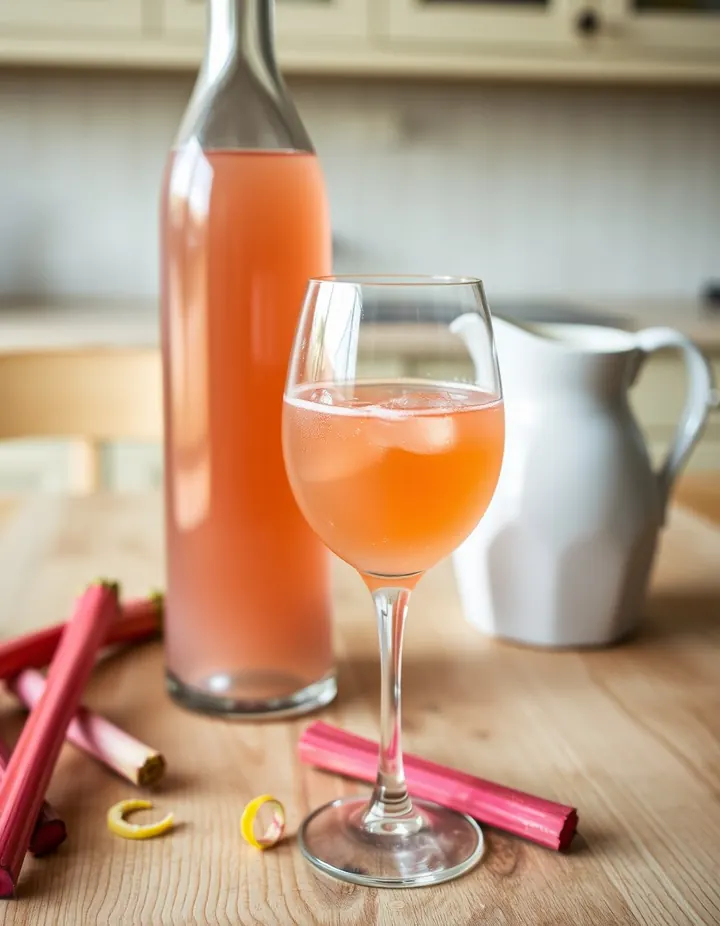
Rhubarb Wine
Ingredients
Directions
Prepare the rhubarb
Gather the rhubarb about the middle of May.
Wipe it with a wet cloth.
Bruise it in a large wooden tub or other convenient means with a mallet.
Reduce it to a pulp.
Weigh the pulp.
To every 5 lbs. of pulp add 1 gallon of cold spring water.
Let the mixture remain for 3 days, stirring 3 or 4 times a day.
On the fourth day, press the pulp through a hair sieve.
Make the wine
Put the liquor into a tub.
To every gallon of liquor add 3 lbs. of loaf sugar.
Stir the sugar until it is quite dissolved.
Add the lemon rind.
Let the liquor remain; in 4, 5, or 6 days fermentation will begin to subside, and a crust or head will form.
Skim off the crust or head, or draw the liquor from it when the crust begins to crack or separate.
Put the wine into a cask.
If it ferments again, rack it off into another cask.
In a fortnight, stop it down.
If the wine has lost sweetness, add a little more loaf sugar, ensuring the cask is full.
Bottle and keep
Bottle it in February or March.
In summer it should be fit to drink.
It will improve greatly by keeping.
If a very brilliant colour is desired, add a little currant juice.
Transcribed from a scanned cookbook and modernised for today's kitchens. Where the book gave no heat or time, or said "a moderate oven", the temperatures and times here may be modern equivalents rather than the book's own figures. See the original page.
Photo for illustrative purposes only · Contact us to use it
Explore the science
What each ingredient does
- Rhubarb (in the method)
- Provides the tart flavour and the juice that becomes the wine's base.
- Loaf sugar (in the method)
- Feeds the yeast during fermentation and sets the wine's sweetness and alcohol level.
- Cold spring water
- Dilutes the pulp into a liquor that can ferment and carry the flavour.
The step that matters
Stirring the sugar until quite dissolved. Undissolved sugar sinks and ferments unevenly, so the wine can taste harsh or ferment unpredictably. Dissolving it fully gives the yeast even access to the sugar.
“What each ingredient does” and “The step that matters” were written by Claude from this recipe’s own method and reviewed in samples by CompKitchen.
You might also like
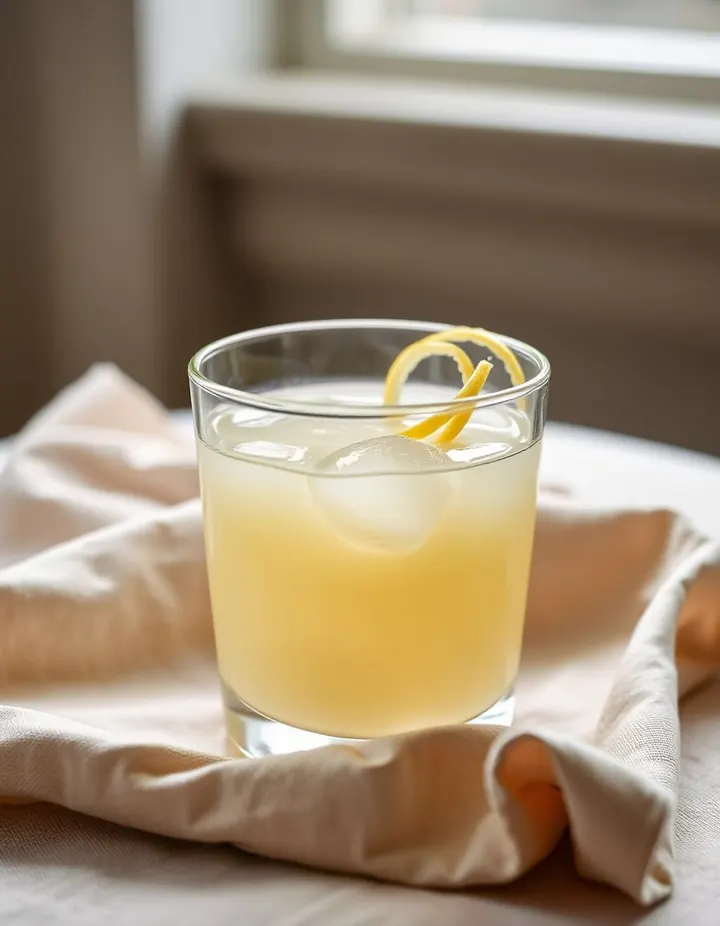 Lemon Whey33 recipes
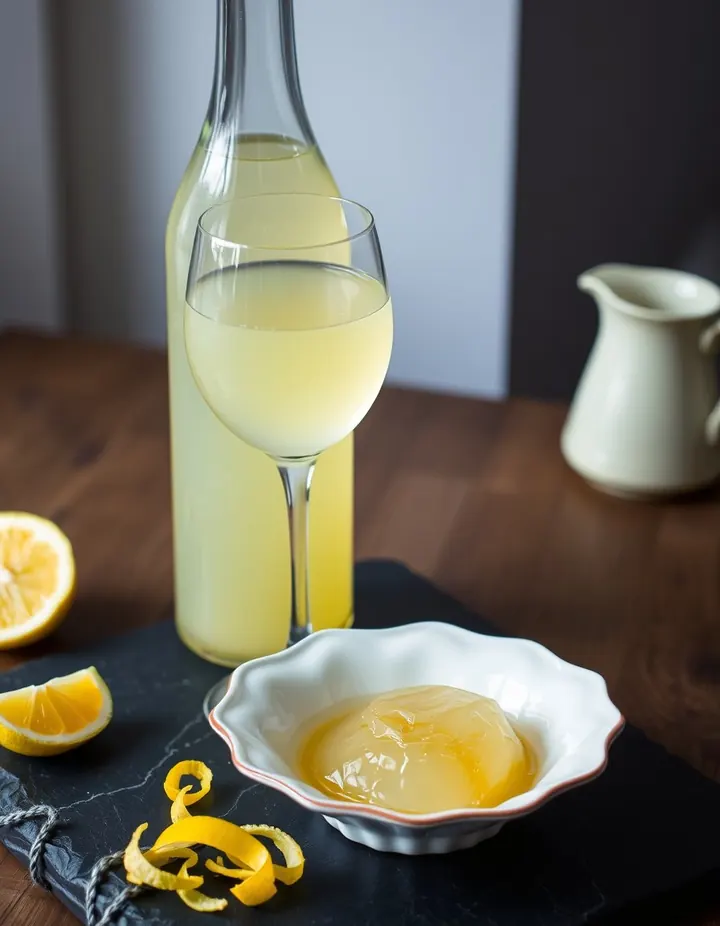 Lemon Wine31 recipes
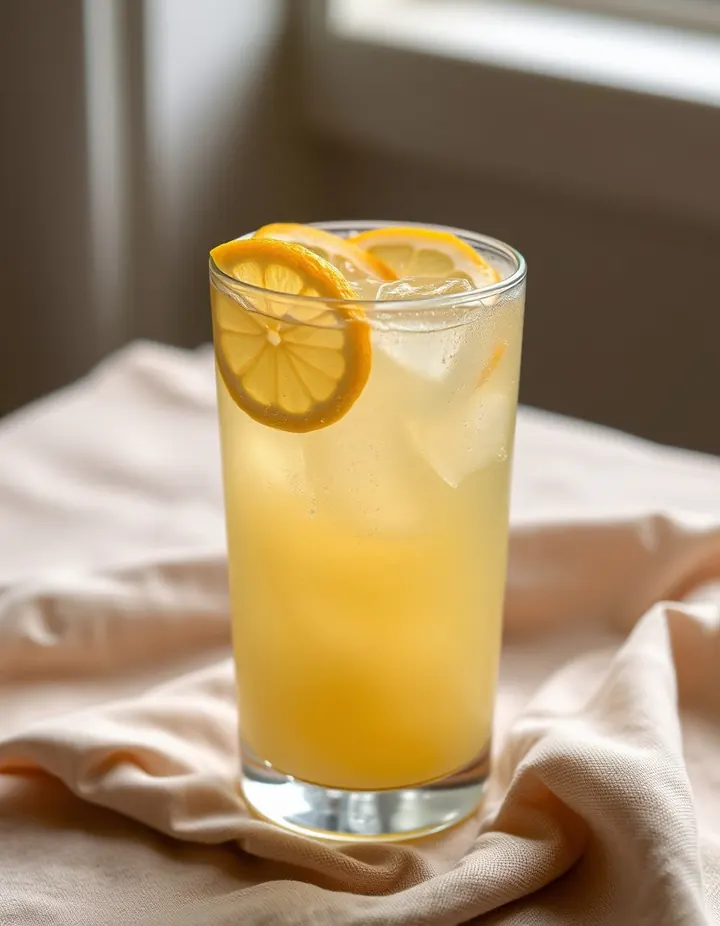 Lemon Squash10 recipes
 Lemon Essence8 recipes
The free Flavor Lab newsletter: one surprising pairing a week and the molecular reason it works, in 60 seconds. No spam, unsubscribe anytime.
Prefer an account? Create a free account to save pairings and unlock the full chemistry.