Why it works: Milk and cream are a kitchen classic. They rank in the top 18% of all ingredient pairs, and cooks put them together in 29,399 recipes. Both carry delta-dodecalactone, which smells sweet, creamy. The science ↓
General Suggestions
Ingredients
Directions
In making batter-cakes, the ingredients should be put together over night to rise, and the eggs and butter added in the morning; the butter melted and eggs well beaten. If the batter appears sour in the least, dissolve a little soda and stir into it; this should be done early enough to rise some time before baking.
Water can be used in place of milk in all raised dough, and the dough should be thoroughly light before making into loaves or biscuits; then when molding them use as little flour as possible; the kneading to be done when first made from the sponge, and should be done well and for some length of time, as this makes the pores fine, the bread cut smooth and tender. Care should be taken not to get the dough too stiff.
Where any recipe calls for baking powder, and you do not have it, you can use cream of tartar and soda, in the proportion of one level teaspoonful of soda to two of cream of tartar.
When the recipe calls for sweet milk or cream, and you do not have it, you may use in place of it sour milk or cream, and, in that case, baking powder or cream of tartar _must not_ be used, but baking-soda, using a _level_ teaspoonful to a quart of sour milk; the milk is always best when just turned, so that it is solid, and not sour enough to whey or to be watery.
When making biscuits or bread with baking powder or soda and cream of tartar, the oven should be prepared first; the dough handled quickly and put into the oven immediately, as soon as it becomes the proper lightness, to ensure good success. If the oven is _too slow_, the article baked will be heavy and hard.
As in beating cake, never _stir_ ingredients into batter, but beat them in, by beating down from the bottom, and up, and over again. This laps the air into the batter which produces little air-cells and causes the dough to puff and swell as it comes in contact with the heat while cooking.
Nutrition, whole recipe (rough)
What these numbers assume: 3 portions
| Ingredient | Portion assumed | kcal |
|---|---|---|
| Sour Milk | 1 cup (244ml) whole | 149 |
| Cream | 1 tbsp (15ml) heavy | 51 |
| Sugar | 1 tbsp (12.5g) granulated | 49 |
One typical portion per ingredient; the recipe's quantities are not counted. A rough guide only, not for medical or dietary planning.
Transcribed from a scanned cookbook and modernised for today's kitchens. Where the book gave no heat or time, or said "a moderate oven", the temperatures and times here may be modern equivalents rather than the book's own figures. See the original page.
Explore the science
The flavor team
The pairs that carry this dish. Each one is judged two ways: how much their aromas overlap, and how often cooks already put them together.
-
Milk + creamtop 18% of all pairsSmell alikemoderateCooked together29,399 recipes
Shared aroma: delta-dodecalactone (sweet, creamy).
Ranks compare each pair with 20,000 random ingredient pairs on CompKitchen. How we score pairs
You might also like
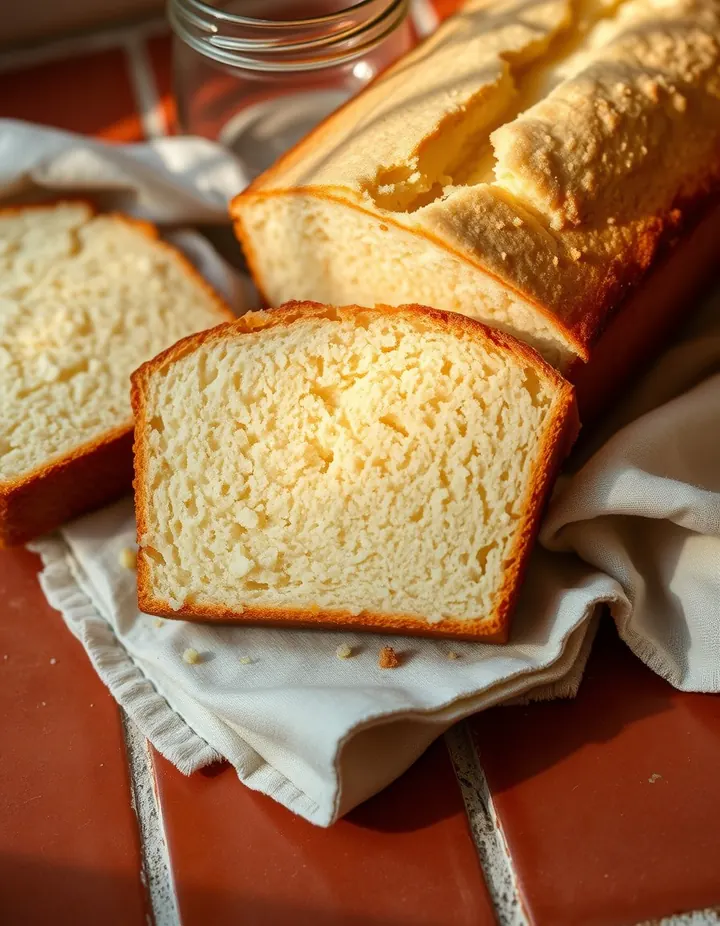 Delicate Cake246 recipes
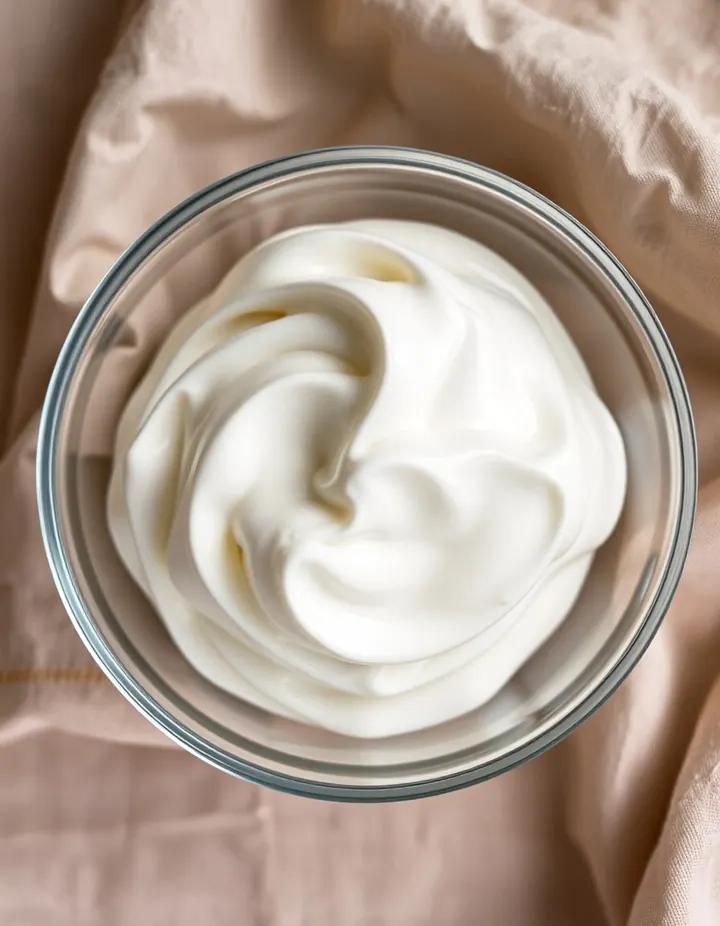 Boiled Frosting69 recipes
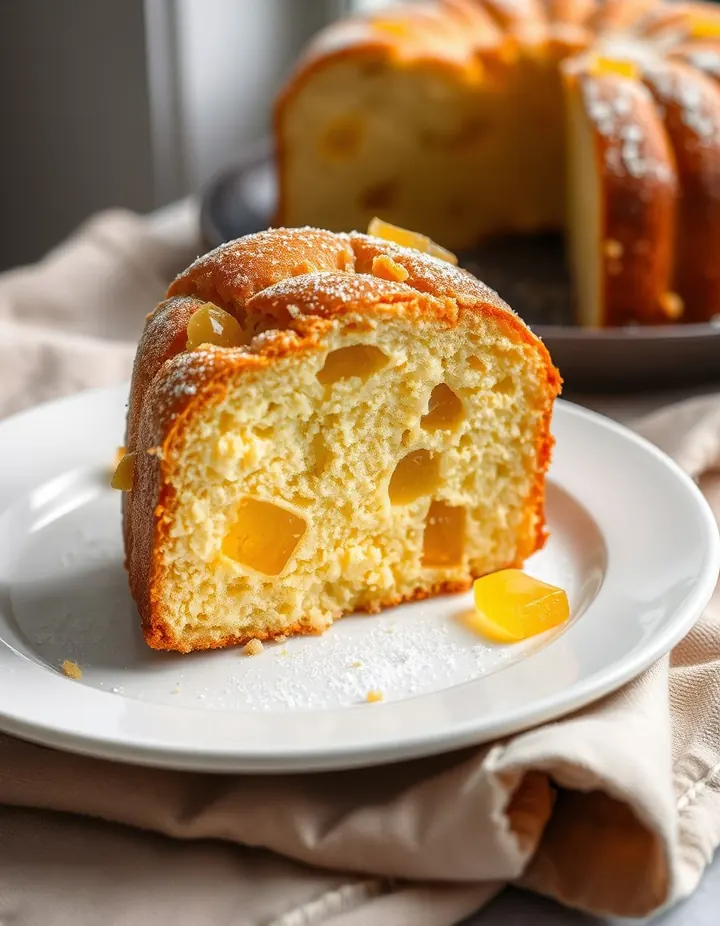 Citron Cake68 recipes
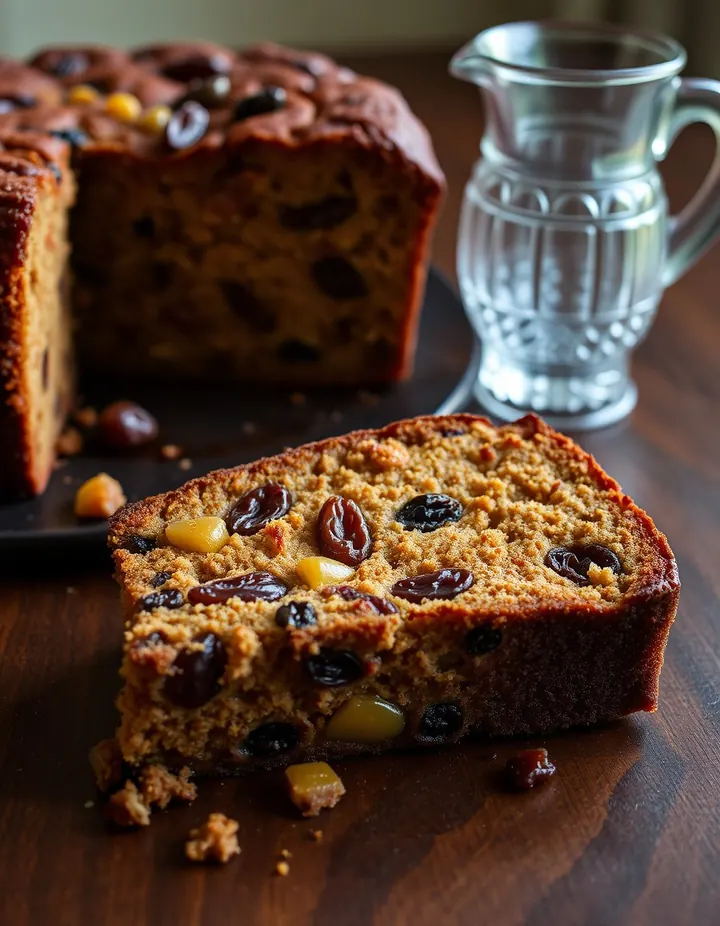 Scotch Cake63 recipes
The free Flavor Lab newsletter: one surprising pairing a week and the molecular reason it works, in 60 seconds. No spam, unsubscribe anytime.
Prefer an account? Create a free account to save pairings and unlock the full chemistry.