Why it works: Molasses and flour are a kitchen classic. They rank in the top 16% of all ingredient pairs, and cooks put them together in 10,429 recipes. Both carry ethanol, which smells alcoholic, ethereal. The science ↓
Home-made Table Vinegar
Ingredients
Directions
Prepare
Put in an open cask four gallons of warm rain-water, one gallon of common molasses and two quarts of yeast.
Cover the top with thin muslin.
Ferment
Leave it in the sun, covering it up at night and when it rains.
Wait three or four weeks for the vinegar to develop.
If using cider instead of rain water, wait less than a week for a sharp vinegar.
Nutrition, whole recipe (rough)
What these numbers assume: 2 portions
| Ingredient | Portion assumed | kcal |
|---|---|---|
| Flour | 1 cup (125g) all-purpose | 455 |
| Molasses | 1 tbsp (20g) | 58 |
One typical portion per ingredient; the recipe's quantities are not counted. A rough guide only, not for medical or dietary planning.
Transcribed from a scanned cookbook and modernised for today's kitchens. Where the book gave no heat or time, or said "a moderate oven", the temperatures and times here may be modern equivalents rather than the book's own figures. See the original page.
Explore the science
The flavor team
The pairs that carry this dish. Each one is judged two ways: how much their aromas overlap, and how often cooks already put them together.
-
Molasses + flourtop 16% of all pairsSmell alikemoderateCooked together10,429 recipes
Shared aroma: ethanol (alcoholic, ethereal).
Ranks compare each pair with 20,000 random ingredient pairs on CompKitchen. How we score pairs
What each ingredient does
- Molasses
- Provides sugar that yeast ferments into alcohol, which bacteria then turn into acetic acid.
- Yeast
- Starts the fermentation that converts sugars into alcohol for the vinegar to form from.
- Warm rain-water
- Dissolves the molasses and yeast and gives the mixture a liquid base for fermentation.
“What each ingredient does” and “The step that matters” were written by Claude from this recipe’s own method and reviewed in samples by CompKitchen.
You might also like
 Vegetable Soup350 recipes
 Raspberry Vinegar214 recipes
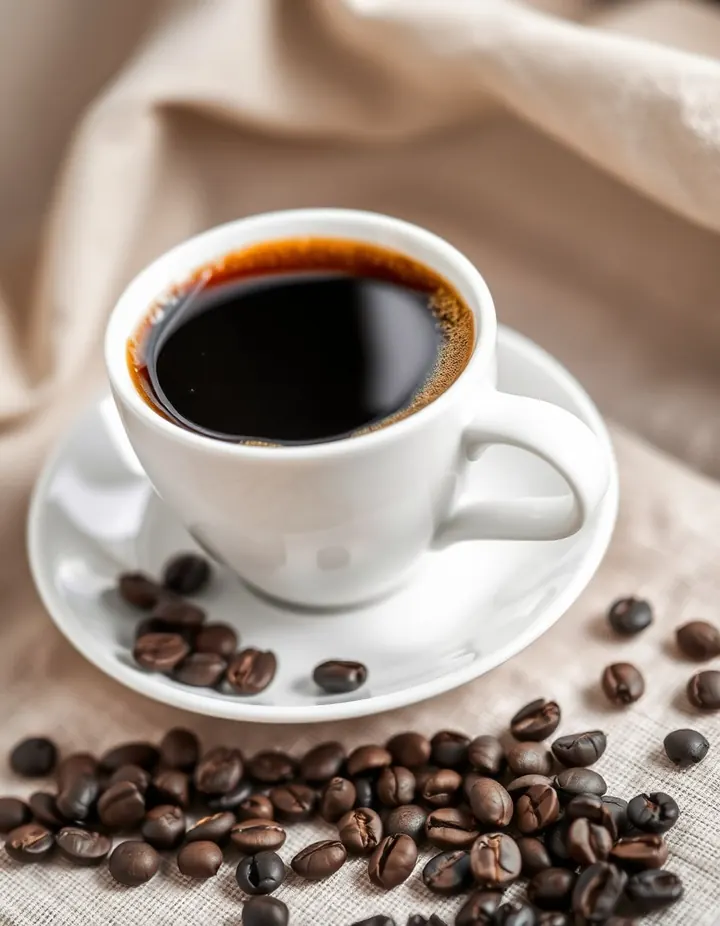 Brown Coffee with Egg175 recipes
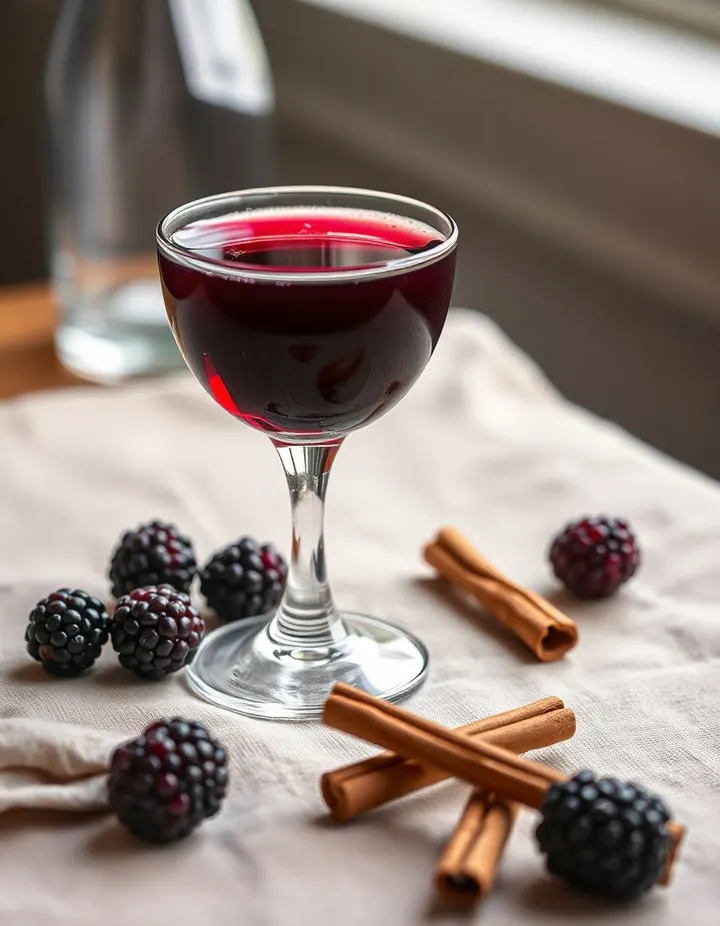 Blackberry Cordial129 recipes
The free Flavor Lab newsletter: one surprising pairing a week and the molecular reason it works, in 60 seconds. No spam, unsubscribe anytime.
Prefer an account? Create a free account to save pairings and unlock the full chemistry.