How to Bake Your Own Bread
Ingredients
Directions
Make the dough
Put a bushel of flour into a trough or large pan; with your fist make a deep hole in the centre.
Put a pint of good fresh yeast into this hollow.
Add two quarts of warm water, and work in with these as much of the flour as will serve to make a soft smooth batter.
Strew this over with just enough flour to hide it.
Cover the trough with its lid or with a blanket to keep warm.
When the leaven has risen sufficiently to cause the flour to crack all over its surface, throw in a handful of salt and work all together.
Add just enough lukewarm soft water to enable you to work the whole into a firm, compact dough.
Knead this with your fists until it becomes stiff and comparatively tough.
Shake a little flour over it, and again cover it with a blanket to keep it warm, to assist its fermentation.
If properly managed, fermentation will be accomplished in less than half an hour.
Bake and serve
Meanwhile, heat your oven to a satisfactory degree of heat with a sufficient quantity of dry, small wood faggots; when all the wood is burnt, sweep out the oven clean and free from all ashes.
Divide your dough into four-pound loaves, knead them into round shapes, making a hole at the top with your thumb.
Immediately put them out of hand into the oven to bake, closing the oven-door upon them.
In about two hours they will be thoroughly baked; take them out of the oven and allow to become quite cold before putting away in the cupboard.
Nutrition, whole recipe (rough)
Counts 2 of 3 ingredients. The other 1 aren't in our nutrition table and add nothing above, so the real totals are higher.
What these numbers assume: 2 portions
| Ingredient | Portion assumed | kcal |
|---|---|---|
| Flour | 1 cup (125g) all-purpose | 455 |
| Salt | 1 tsp (6g) | 0 |
| Water | not in our table | 0 |
One typical portion per ingredient; the recipe's quantities are not counted. A rough guide only, not for medical or dietary planning.
Transcribed from a scanned cookbook and modernised for today's kitchens. Where the book gave no heat or time, or said "a moderate oven", the temperatures and times here may be modern equivalents rather than the book's own figures. See the original page.
Explore the science
What each ingredient does
- Flour (in the method)
- Forms the structure of the dough once mixed with water and kneaded.
- Fresh yeast
- Ferments the dough, producing gas that makes it rise.
- Warm water
- Hydrates the flour and activates the yeast, forming a workable dough.
The step that matters
Kneading until stiff and comparatively tough. Kneading develops gluten, the protein network that traps gas from fermentation and gives the loaf its structure. Too little kneading leaves a weak crumb that does not hold its rise.
“What each ingredient does” and “The step that matters” were written by Claude from this recipe’s own method and reviewed in samples by CompKitchen.
You might also like
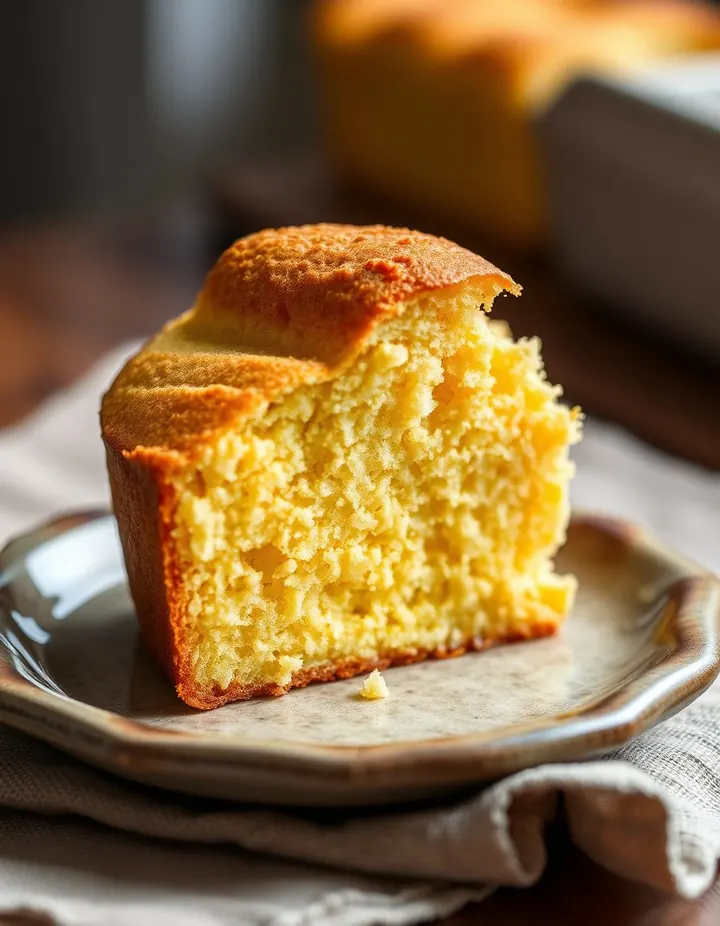 Cornbread345 recipes
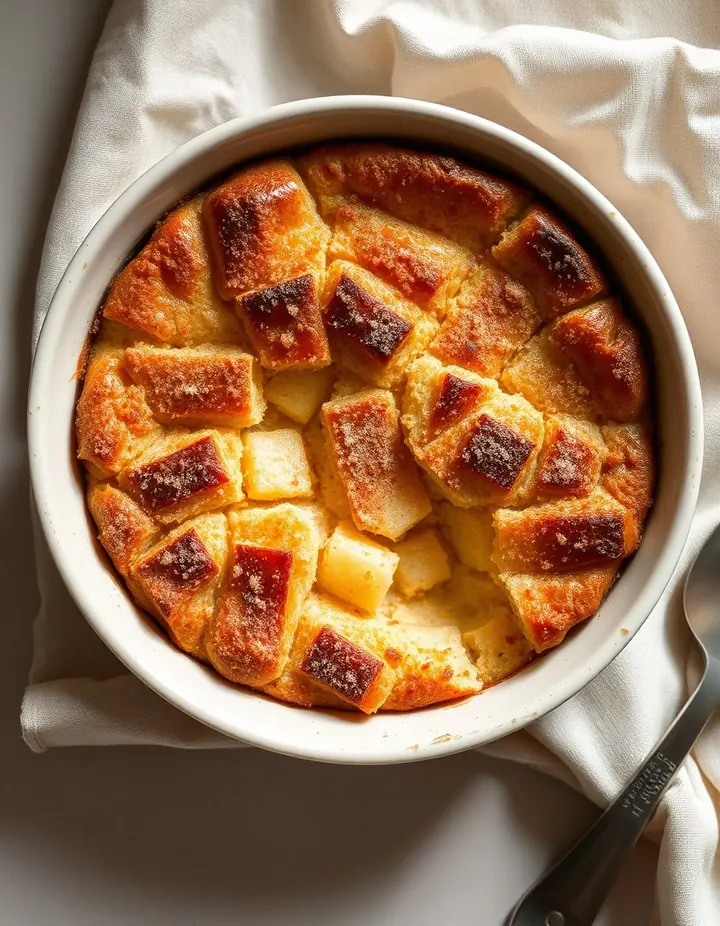 Bread Pudding336 recipes
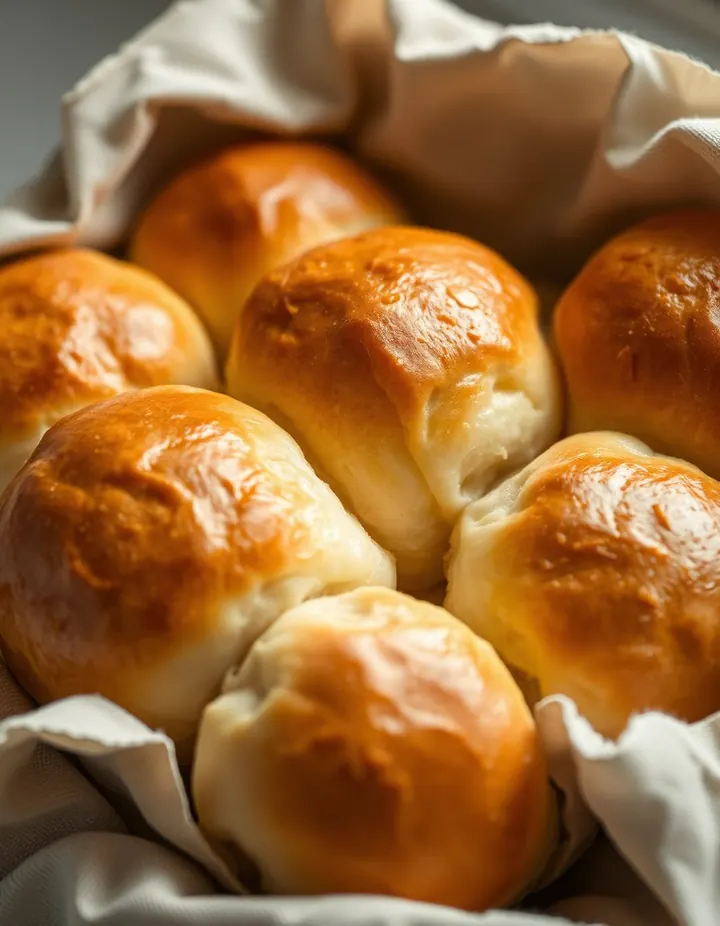 Milk Bread Rolls242 recipes
 Potato Bread124 recipes
The free Flavor Lab newsletter: one surprising pairing a week and the molecular reason it works, in 60 seconds. No spam, unsubscribe anytime.
Prefer an account? Create a free account to save pairings and unlock the full chemistry.