Why it works: Cheese and pepper are a kitchen classic. They rank in the top 18% of all ingredient pairs, and cooks put them together in 7,861 recipes. Both carry 2-isopropyl-3-methoxypyrazine, which smells earthy, pea. The science ↓
Materials Used for Croquettes
Ingredients
Directions
CHICKEN CROQUETTES
Chop the chicken very fine, using the white meat alone, or the dark meat alone, or both together. Season with salt, pepper, onion-juice, and lemon-juice. Chopped mushrooms, sweetbreads, calf's brains, tongue, ham or truffles are used with chicken, and a combination of two or more of them much improves the quality of the croquettes.
VEAL CROQUETTES
Veal is often mixed with chicken, or is used alone as a substitute for chicken. Season in same manner and make the same combinations.
SWEETBREAD CROQUETTES
Cut the boiled sweetbreads into small dice with a silver knife. Mix with mushrooms, using half the quantity of mushrooms that you have of sweetbreads. Use two eggs in the sauce.
OYSTER CROQUETTES
Scald the oysters; cut them into small pieces with a silver-plated knife.
LOBSTER CROQUETTES (see page 138)
FISH CROQUETTES (see pages 121 and 126)
MEAT AND BOILED HOMINY CROQUETTES
Equal proportions.
MEAT, RICE, AND TOMATO CROQUETTES
Equal proportions of meat and boiled rice: moisten with tomato puree.
MACARONI CROQUETTES
Boil the macaroni in salted water until tender; let it cool; then cut into pieces one quarter inch long, forming rings. To a cupful of the rings add one tablespoonful of grated cheese.
The sauces to serve with croquettes are brown, Bechamel, Poulette, and Tomato.
[Sidenote: General directions.]
Timbales are forms of pastry or of forcemeat filled with salpicon. They are made in individual, border, or cylinder molds. The receipts below give the rules for making the pastry, forcemeat, and salpicon, and the combinations. For forcemeat, the raw meat is used, and may be used alone or mixed with panada: in the latter case it is called Quenelle forcemeat. Cut the meat or fish in pieces (excepting chicken, which is scraped), and pound it in a mortar to separate the flesh from the fiber, then press it through a puree sieve. Do not chop the meat, as the fiber is not then so easily separated. If the meat pulp is mixed with panada, press it through the sieve again so the paste will be perfectly smooth and fine. Truffles are used in decorating the molds and in the salpicon. The little bits left from the decoration are chopped and used in the salpicon or in a sauce.
Truffles can be bought in tins, and as very little is used at a time they are not as expensive as at first appears. To preserve truffles left over in an opened can, drain them from the liquor and roll them in melted paraffine or in melted suet. With the air-tight covering which either of these things gives, the truffles can be kept in the refrigerator for an indefinite time.
Nutrition, whole recipe (rough)
Counts 4 of 5 ingredients. The other 1 aren't in our nutrition table and add nothing above, so the real totals are higher.
What these numbers assume: 4 portions
| Ingredient | Portion assumed | kcal |
|---|---|---|
| Cheese | 1 oz (28g) cheddar | 113 |
| Egg | 1 large egg (50g) | 78 |
| Black Pepper | 1 tsp ground (2.3g) | 6 |
| Salt | 1 tsp (6g) | 0 |
| Sauce | not in our table | 0 |
One typical portion per ingredient; the recipe's quantities are not counted. A rough guide only, not for medical or dietary planning.
Transcribed from a scanned cookbook and modernised for today's kitchens. Where the book gave no heat or time, or said "a moderate oven", the temperatures and times here may be modern equivalents rather than the book's own figures. See the original page.
Explore the science
The flavor team
The pairs that carry this dish. Each one is judged two ways: how much their aromas overlap, and how often cooks already put them together.
-
Cheese + peppertop 18% of all pairsSmell alikemoderateCooked together7,861 recipes
Shared aroma: 2-isopropyl-3-methoxypyrazine (earthy, pea).
-
Cheese + saucetop 19% of all pairsSmell alikelowCooked together1,987 recipes
Shared aroma: ethanol (alcoholic, ethereal).
-
Sauce + peppertop 27% of all pairsSmell alikelowCooked together15,303 recipes
Shared aroma: ethanol (alcoholic, ethereal).
-
Cheese + eggtop 28% of all pairsSmell alikemoderateCooked together6,253 recipes
Shared aroma: 2-nonenal (fatty, green).
-
Egg + peppertop 33% of all pairsSmell alikelowCooked together50,580 recipes
Shared aroma: 2-nonenal (fatty, green).
Sauce and pepper barely smell alike, yet cooks put them together in 15,303 recipes: they work on texture and structure more than aroma.
Ranks compare each pair with 20,000 random ingredient pairs on CompKitchen. How we score pairs
More croquettes recipes
You might also like
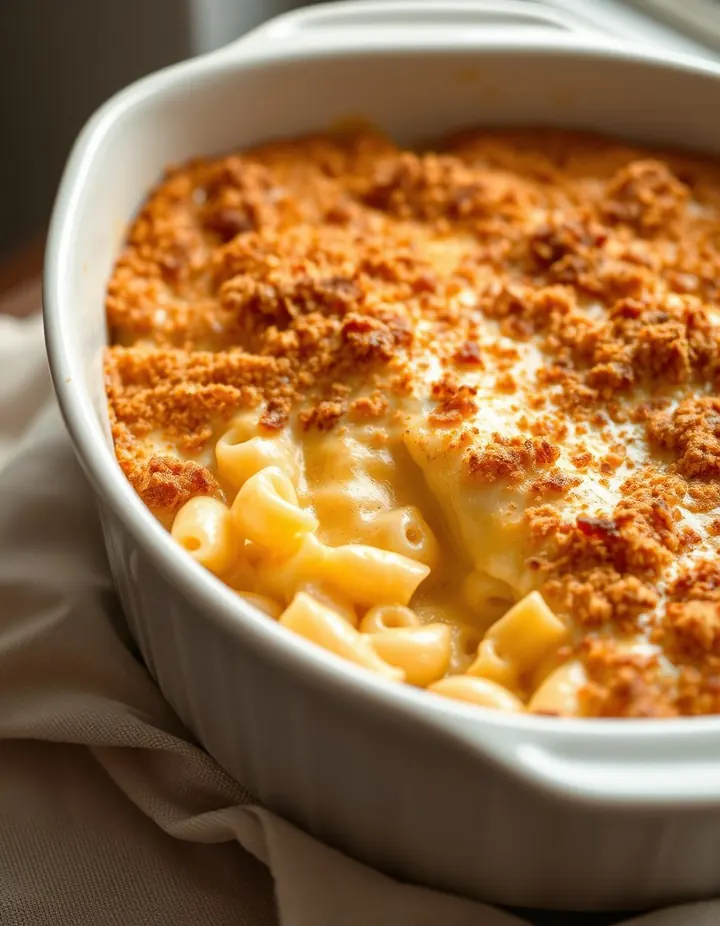 Macaroni and Cheese102 recipes
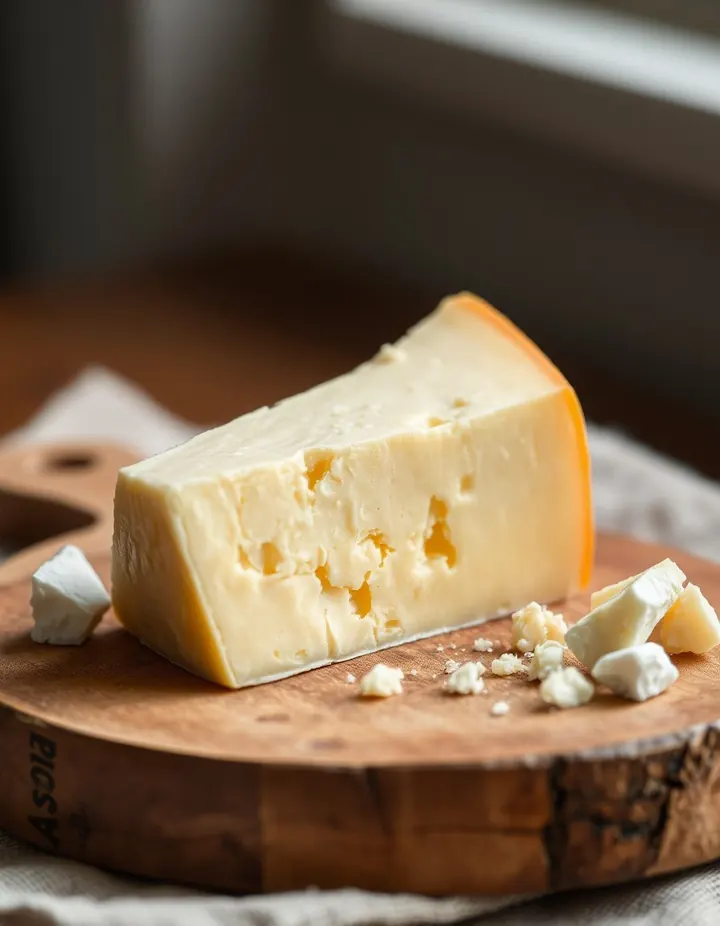 Cheese Making50 recipes
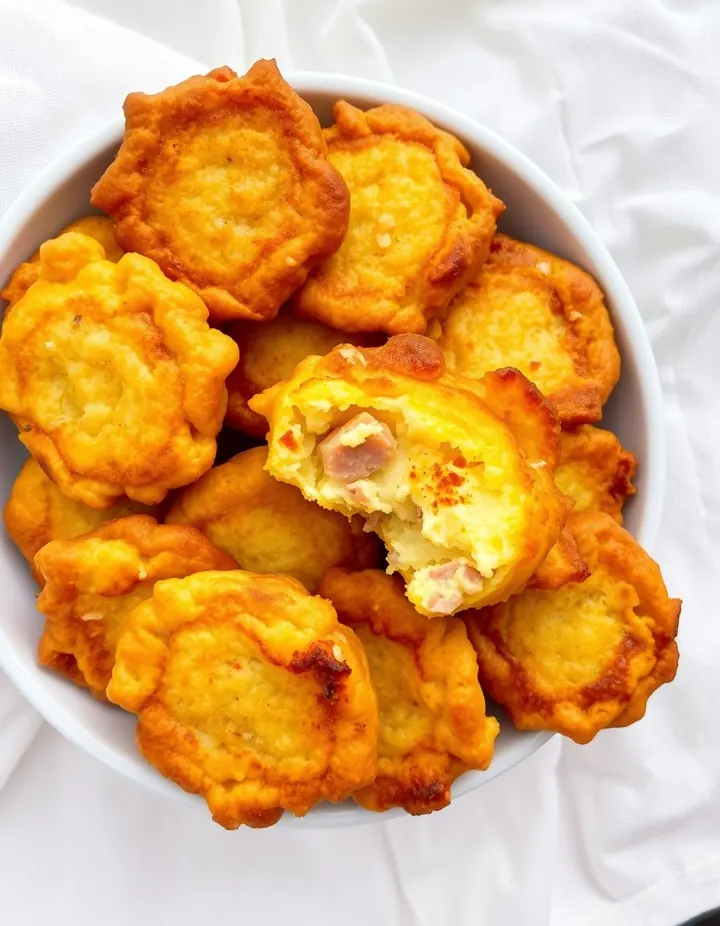 Cheese Fritters34 recipes
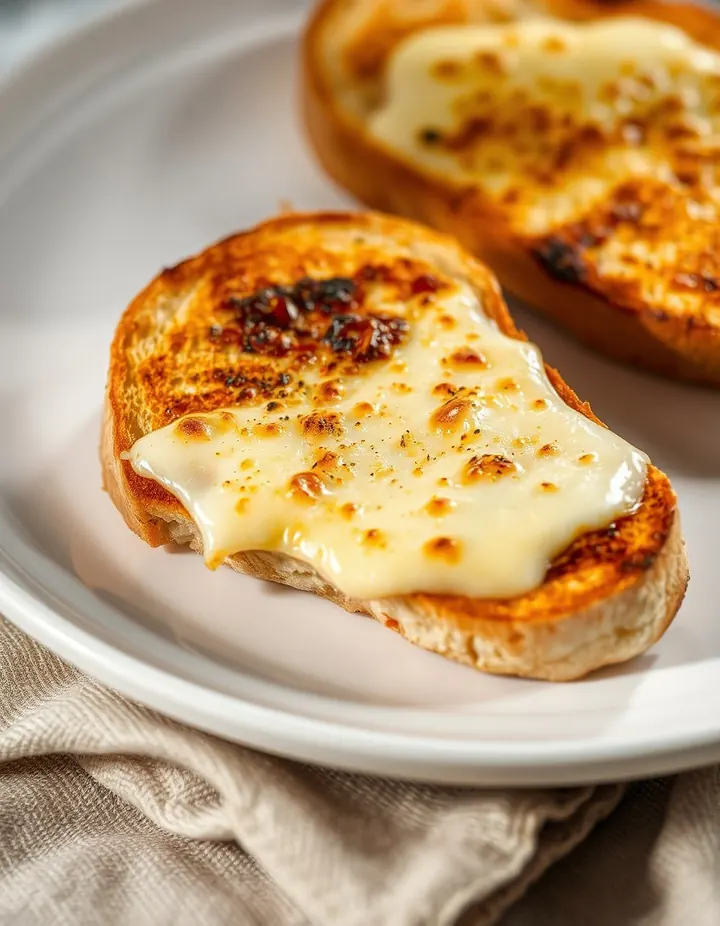 Cheese Omelette31 recipes
The free Flavor Lab newsletter: one surprising pairing a week and the molecular reason it works, in 60 seconds. No spam, unsubscribe anytime.
Prefer an account? Create a free account to save pairings and unlock the full chemistry.