Why it works: Pepper and nutmeg match in chemistry and in kitchens. They rank in the top 7% of all ingredient pairs, and cooks put them together in 13,015 recipes. Both carry 4'-methylacetophenone, which smells bitter almond. The science ↓
Quenelle Forcemeat
Ingredients
Directions
Prepare the forcemeat
Rub the meat-pulp through a sieve.
Add the panada, butter, yolks of the eggs, salt, pepper, and a dash of nutmeg.
Stir well together and pass the mixture again through the sieve.
Finish and test
Place the mixture on ice and slowly add the cream.
Test the consistency by poaching a small piece.
Use the forcemeat as you would cream forcemeat (white sauce or tomato puree may substitute for cream).
Nutrition, whole recipe (rough)
What these numbers assume: 6 portions
| Ingredient | Portion assumed | kcal |
|---|---|---|
| Butter | 1 tbsp (14g) | 102 |
| Egg | 1 large egg (50g) | 78 |
| Cream | 1 tbsp (15ml) heavy | 51 |
| Nutmeg | 1 tsp ground (2.2g) | 12 |
| Black Pepper | 1 tsp ground (2.3g) | 6 |
| Salt | 1 tsp (6g) | 0 |
One typical portion per ingredient; the recipe's quantities are not counted. A rough guide only, not for medical or dietary planning.
Transcribed from a scanned cookbook and modernised for today's kitchens. Where the book gave no heat or time, or said "a moderate oven", the temperatures and times here may be modern equivalents rather than the book's own figures. See the original page.
Explore the science
The flavor team
The pairs that carry this dish. Each one is judged two ways: how much their aromas overlap, and how often cooks already put them together.
-
Pepper + nutmegtop 7% of all pairsSmell alikestrongCooked together13,015 recipes
Shared aroma: 4'-methylacetophenone (bitter almond).
-
Butter + creamtop 8% of all pairsSmell alikemoderateCooked together41,516 recipes
Shared aroma: delta-dodecalactone (sweet, creamy).
-
Cream + nutmegtop 13% of all pairsSmell alikemoderateCooked together7,920 recipes
Shared aroma: acetic acid (sour, vinegar).
-
Butter + nutmegtop 16% of all pairsSmell alikemoderateCooked together24,377 recipes
Shared aroma: eucalyptol (eucalyptus, herbal).
-
Meat + buttertop 16% of all pairsSmell alikemoderateCooked together7,594 recipes
Shared aroma: guaiacol (smoky, sweet).
Ranks compare each pair with 20,000 random ingredient pairs on CompKitchen. How we score pairs
What each ingredient does
- Meat-pulp
- Forms the main body of the forcemeat, giving it a firm, sliceable structure once cooked.
- Panada
- Starch-based binder that helps hold the forcemeat together and keeps it tender.
- Butter
- Adds fat for richness and a smoother, more tender texture.
- Cream
- Adds moisture and lightness, loosening the mixture to a delicate, spreadable texture.
- Eggs
- Yolks bind the mixture and help it set when poached or cooked.
The step that matters
Adding the cream slowly on ice. Keeping the mixture very cold while adding cream helps the emulsion stay stable; if it warms or the cream goes in too fast, the forcemeat can break and become loose or greasy.
Swap the nutmeg
How well each one fits the dish's main ingredients (meat, butter, cream, egg, pepper):
- Nutmegthe original
- Parsleyfits about as well
- Tarragonfits less well
- Thymefits less well
Fit is the average pairing score against meat, butter, cream, egg, pepper. Candidates are from the same food group and used in at least 100 recipes.
“What each ingredient does” and “The step that matters” were written by Claude from this recipe’s own method and reviewed in samples by CompKitchen.
You might also like
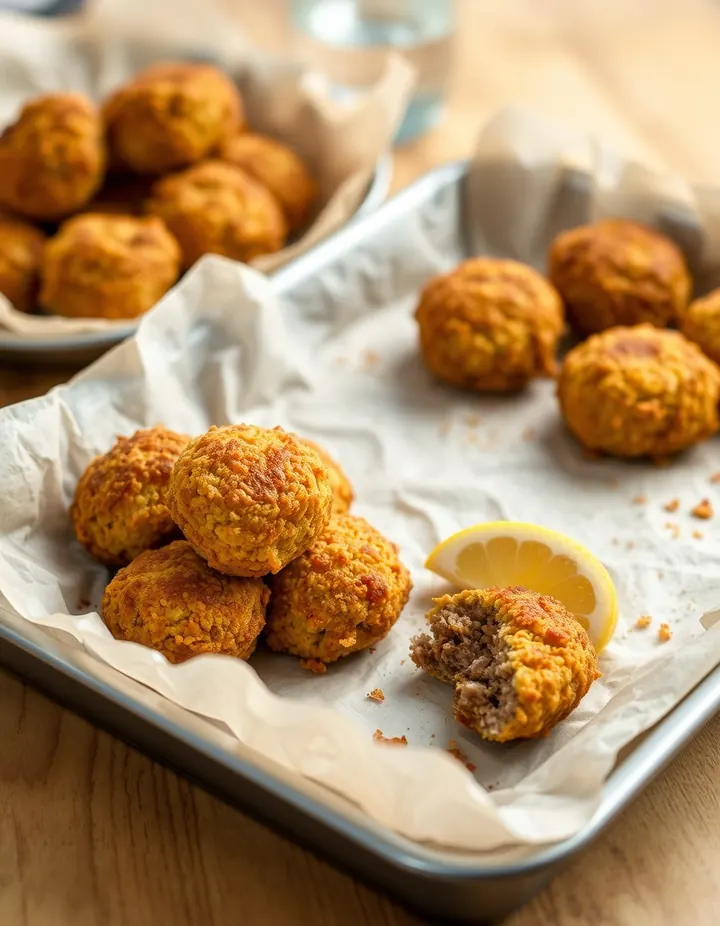 Meat Croquettes52 recipes
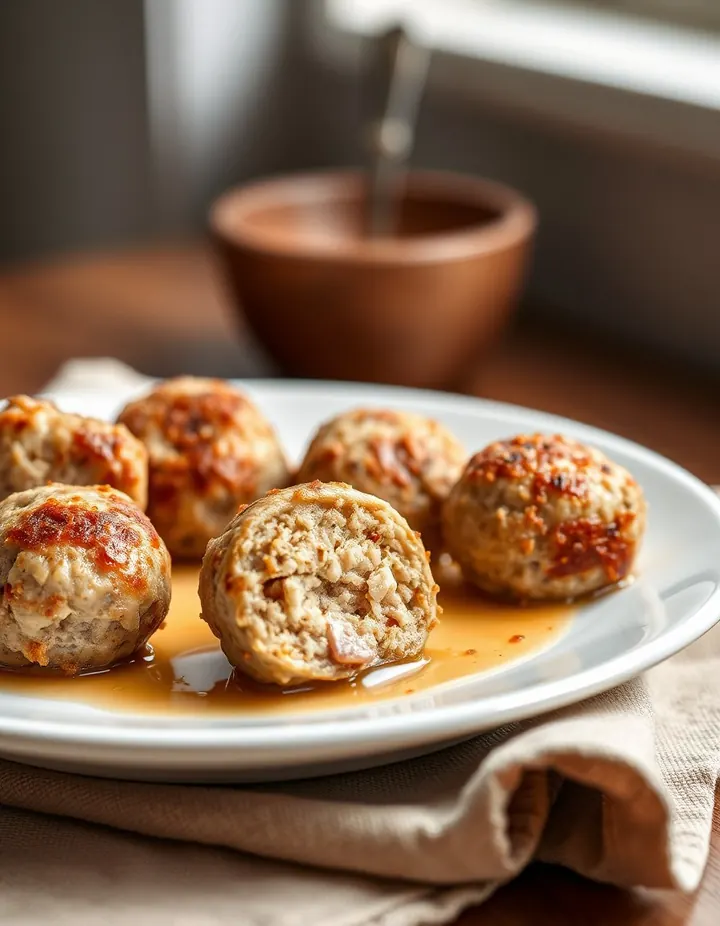 Meatballs37 recipes
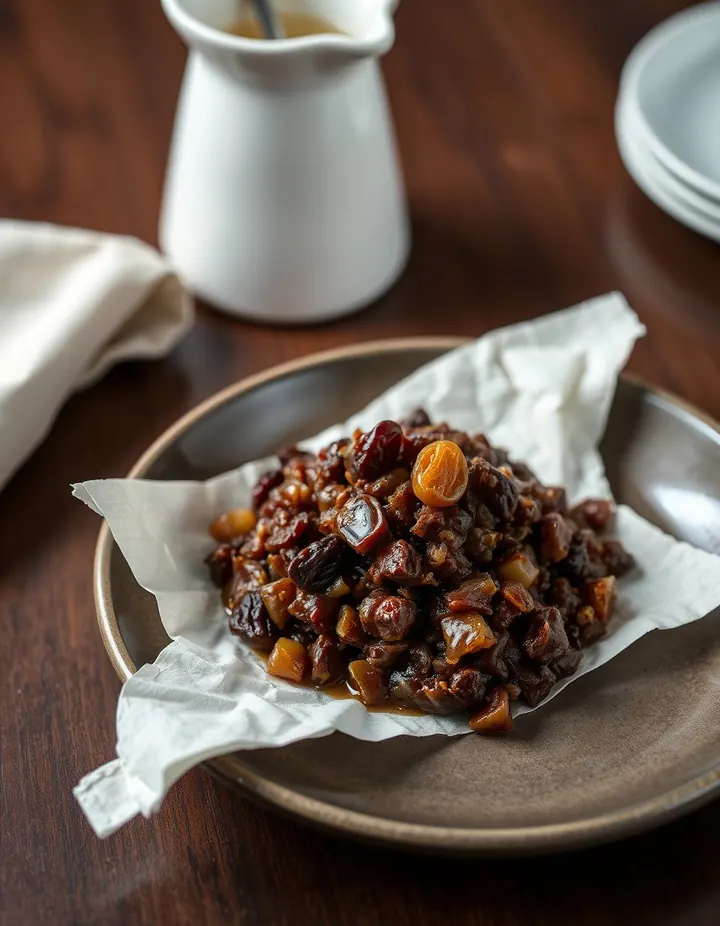 Mince Meat37 recipes
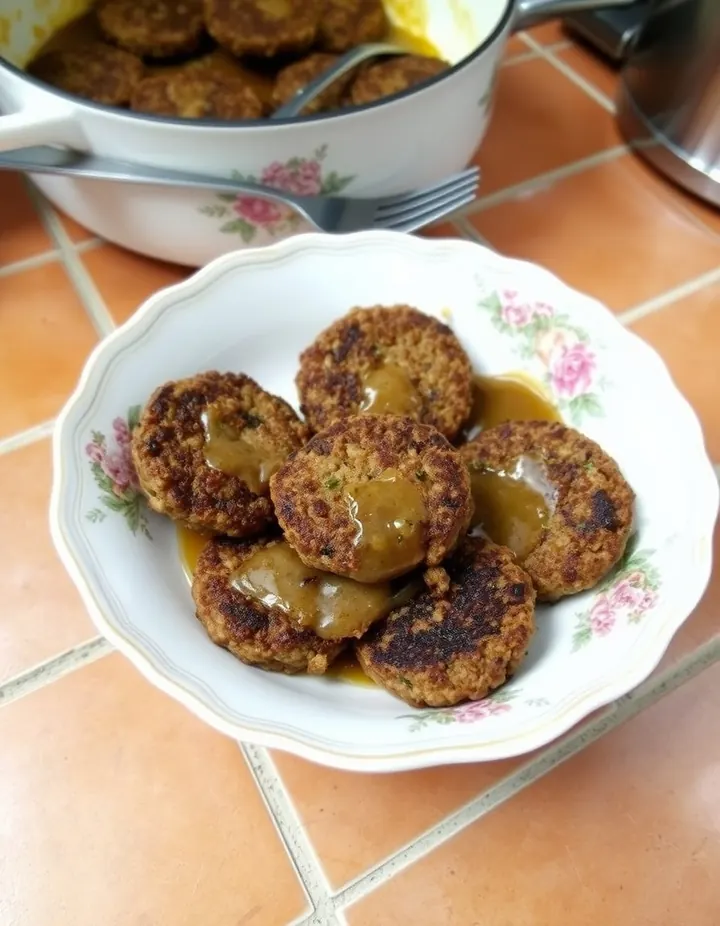 Meat Cakes35 recipes
The free Flavor Lab newsletter: one surprising pairing a week and the molecular reason it works, in 60 seconds. No spam, unsubscribe anytime.
Prefer an account? Create a free account to save pairings and unlock the full chemistry.