Why it works: Flour and milk are a kitchen classic. They rank in the top 14% of all ingredient pairs, and cooks put them together in 78,219 recipes. Both carry isobutyraldehyde, which smells malty, green. The science ↓
Proportions of Raising Materials to Use, and Other Items
Ingredients
Directions
Baking-powder is a mixture of soda, cream of tartar, and cornstarch, or rice flour.
Use one level teaspoonful of baking-powder to each cupful of flour.
Use one even teaspoonful of soda and two full teaspoonfuls of cream of tartar to a quart of flour.
When sour milk is used, take one even teaspoonful of soda to a pint of milk, and omit the cream of tartar.
When molasses is used, omit the cream of tartar, and use one teaspoonful of soda to each cupful of molasses.
Mix powders with the flour, and sift them together, so as to thoroughly mix them.
Mix dry materials in one bowl and liquids in another; combine them quickly, and put at once into the oven.
The oven for baking bread should be hot enough to brown a teaspoonful of flour in five minutes. For biscuits it should brown in one minute.
Rolls brushed with milk just before baking will have a brown crust.
Rubbing the crust with butter just before it is taken from the oven will make it crisp.
Nutrition, whole recipe (rough)
Counts 5 of 6 ingredients. The other 1 aren't in our nutrition table and add nothing above, so the real totals are higher.
What these numbers assume: 5 portions
| Ingredient | Portion assumed | kcal |
|---|---|---|
| Flour | 1 cup (125g) all-purpose | 455 |
| Milk | 1 cup (244ml) whole | 149 |
| Molasses | 1 tbsp (20g) | 58 |
| Cream | 1 tbsp (15ml) heavy | 51 |
| Sugar | 1 tbsp (12.5g) granulated | 49 |
| Cake | not in our table | 0 |
One typical portion per ingredient; the recipe's quantities are not counted. A rough guide only, not for medical or dietary planning.
Transcribed from a scanned cookbook and modernised for today's kitchens. Where the book gave no heat or time, or said "a moderate oven", the temperatures and times here may be modern equivalents rather than the book's own figures. See the original page.
Explore the science
The flavor team
The pairs that carry this dish. Each one is judged two ways: how much their aromas overlap, and how often cooks already put them together.
-
Flour + milktop 14% of all pairsSmell alikelowCooked together78,219 recipes
Shared aroma: isobutyraldehyde (malty, green).
-
Molasses + flourtop 16% of all pairsSmell alikemoderateCooked together10,429 recipes
Shared aroma: ethanol (alcoholic, ethereal).
-
Milk + creamtop 18% of all pairsSmell alikemoderateCooked together29,399 recipes
Shared aroma: delta-dodecalactone (sweet, creamy).
-
Molasses + creamtop 20% of all pairsSmell alikelowCooked together1,408 recipes
Shared aroma: ethanol (alcoholic, ethereal).
-
Flour + creamtop 20% of all pairsSmell alikemoderateCooked together30,481 recipes
Shared aroma: acetaldehyde (pungent, ethereal).
Flour and milk barely smell alike, yet cooks put them together in 78,219 recipes: they work on texture and structure more than aroma.
Ranks compare each pair with 20,000 random ingredient pairs on CompKitchen. How we score pairs
More bread recipes
You might also like
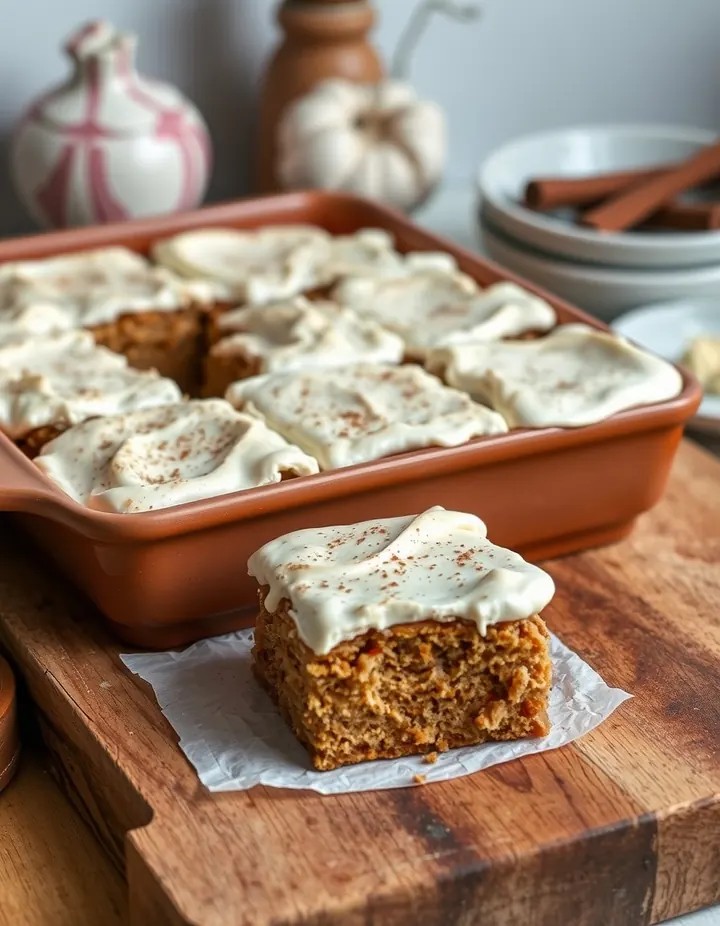 Spanish Bun44 recipes
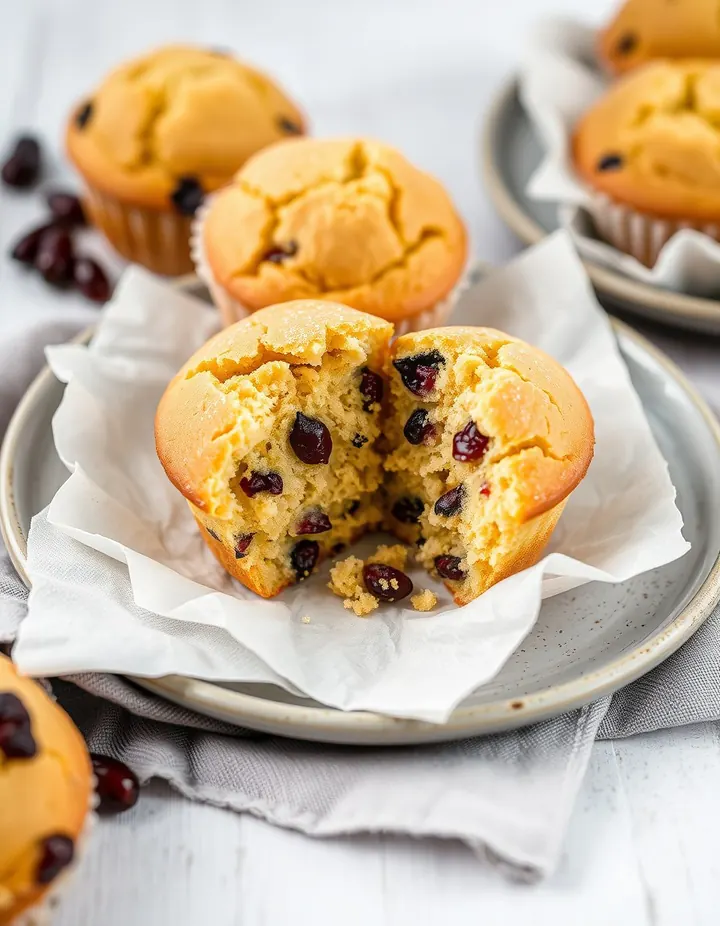 Queen Cake41 recipes
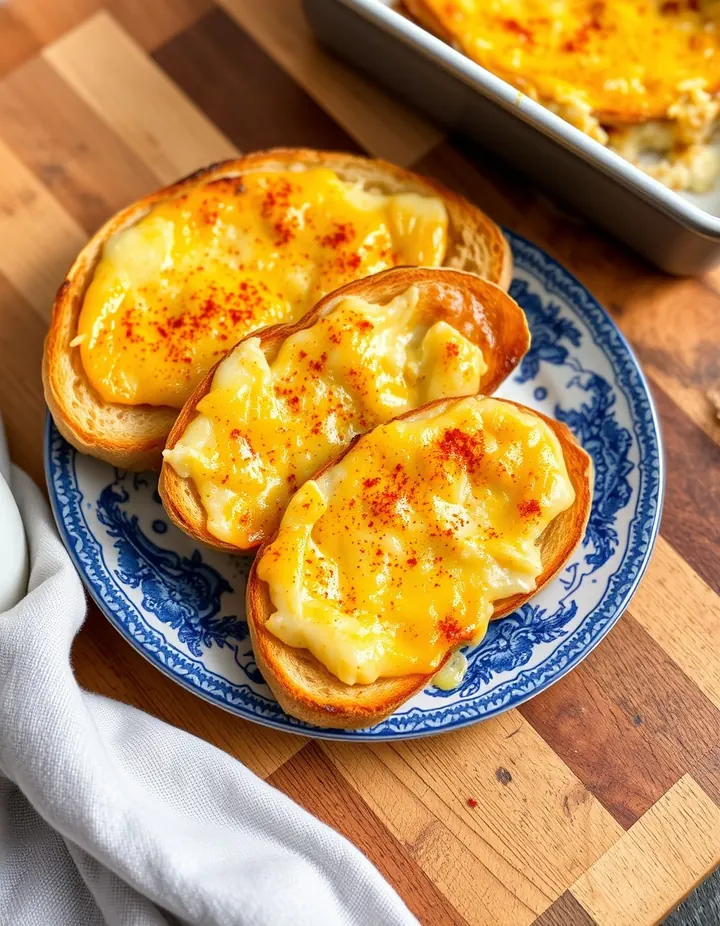 Cheese Toast38 recipes
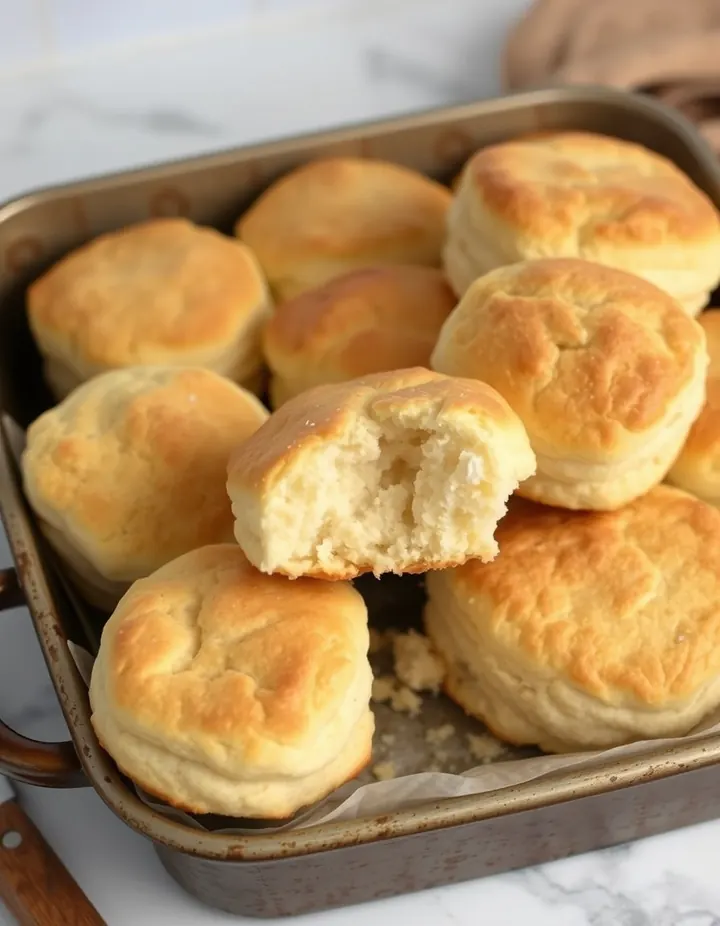 Raised Yeast Biscuits34 recipes
The free Flavor Lab newsletter: one surprising pairing a week and the molecular reason it works, in 60 seconds. No spam, unsubscribe anytime.
Prefer an account? Create a free account to save pairings and unlock the full chemistry.