Why it works: Flour and almond are a kitchen classic. They rank in the top 5% of all ingredient pairs, and cooks put them together in 8,673 recipes. Both carry isobutyraldehyde, which smells malty, green. The science ↓
Lady-fingers
Ingredients
Directions
Make the batter
Beat the yolks and sugar to a light cream; add the flavoring.
Stir in lightly the flour and then the whites of the eggs whipped very firm; the salt is added to the whites before being whipped.
Shape and bake
Place a sheet of paper on the baking pan or sheet.
Place the mixture in a pastry bag and press it through a tube with an opening one half to three quarter inch wide.
Have the strips four and a half inches long.
Cut off the paste from the tube with a knife so the ends will be clean; dust them with sugar.
Bake in a moderate oven ten to twelve minutes, or until a light crust has formed. The crust should not be colored.
When done, stick two together, using white of egg.
Make the almond balls
Pound the blanched almonds to a paste, adding a teaspoonful of rose-water to keep them from oiling.
Add also the sugar, a little at a time, while pounding the almonds.
Add a few drops of almond essence and the whipped whites of the eggs; beat thoroughly together.
Drop the mixture in balls one half inch in diameter on strips of paper, using a pastry-bag.
If not stiff enough to hold their shapes without spreading, add one tablespoonful of flour.
Drop the mixture in balls one half inch in diameter, and bake the same as fingers.
Stick two together with a little jam between them.
Nutrition, whole recipe (rough)
What these numbers assume: 5 portions
| Ingredient | Portion assumed | kcal |
|---|---|---|
| Flour | 1 cup (125g) all-purpose | 455 |
| Egg | 1 large egg (50g) | 78 |
| Sugar | 1 tbsp (12.5g) granulated | 49 |
| Almond | 1 almond (1.2g) | 7 |
| Salt | 1 tsp (6g) | 0 |
One typical portion per ingredient; the recipe's quantities are not counted. A rough guide only, not for medical or dietary planning.
Transcribed from a scanned cookbook and modernised for today's kitchens. Where the book gave no heat or time, or said "a moderate oven", the temperatures and times here may be modern equivalents rather than the book's own figures. See the original page.
Explore the science
The flavor team
The pairs that carry this dish. Each one is judged two ways: how much their aromas overlap, and how often cooks already put them together.
-
Flour + almondtop 5% of all pairsSmell alikemoderateCooked together8,673 recipes
Shared aroma: isobutyraldehyde (malty, green).
-
Almond + rosetop 11% of all pairsSmell alikelowCooked together1,465 recipes
Shared aroma: eucalyptol (eucalyptus, herbal).
-
Sugar + flourtop 15% of all pairsSmell alikemoderateCooked together92,116 recipes
Shared aroma: phenylacetaldehyde (hawthorne, honey).
-
Flour + eggtop 15% of all pairsSmell alikelowCooked together106,462 recipes
Shared aroma: isobutyraldehyde (malty, green).
-
Sugar + almondtop 18% of all pairsSmell alikemoderateCooked together15,679 recipes
Shared aroma: 1-penten-3-one (fish, pungent).
Flour and egg barely smell alike, yet cooks put them together in 106,462 recipes: they work on texture and structure more than aroma.
Ranks compare each pair with 20,000 random ingredient pairs on CompKitchen. How we score pairs
What each ingredient does
- Eggs
- Whipped whites give the batter lift and an airy, delicate structure.
- Powdered sugar
- Sweetens the batter and helps the yolks form a light cream.
- Flour
- Gives the piped batter enough body to hold its shape while baking.
- Almonds
- Form the paste base, giving the almond balls richness and body.
The step that matters
Bake only until a light crust forms. Overbaking colors the crust and dries the delicate sponge, so the fingers turn hard instead of tender. Remove them as soon as the light crust sets.
“What each ingredient does” and “The step that matters” were written by Claude from this recipe’s own method and reviewed in samples by CompKitchen.
You might also like
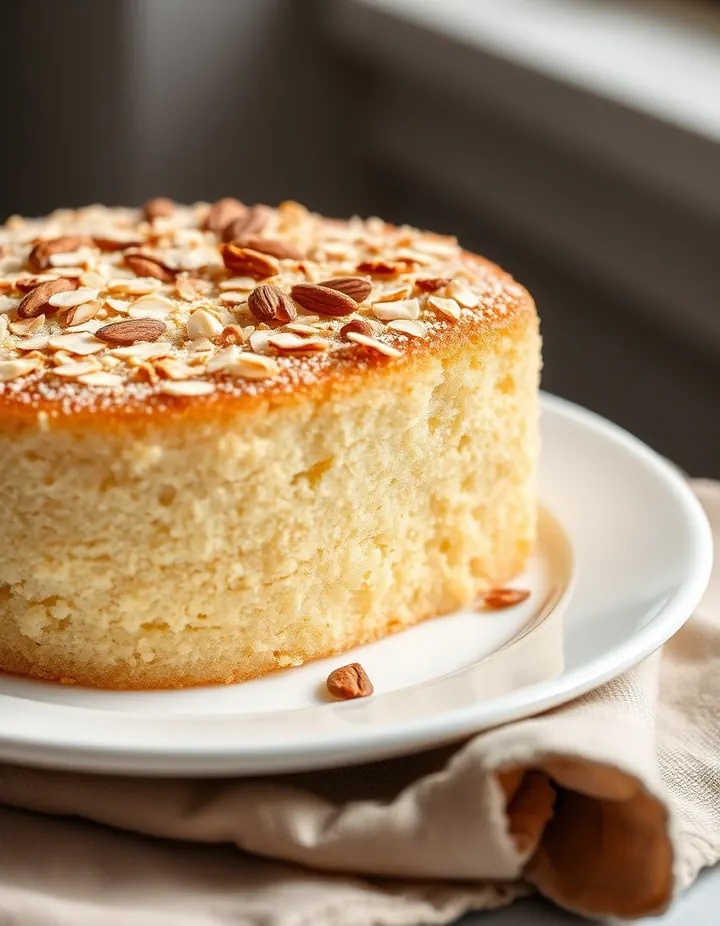 Almond Sponge Cake26 recipes
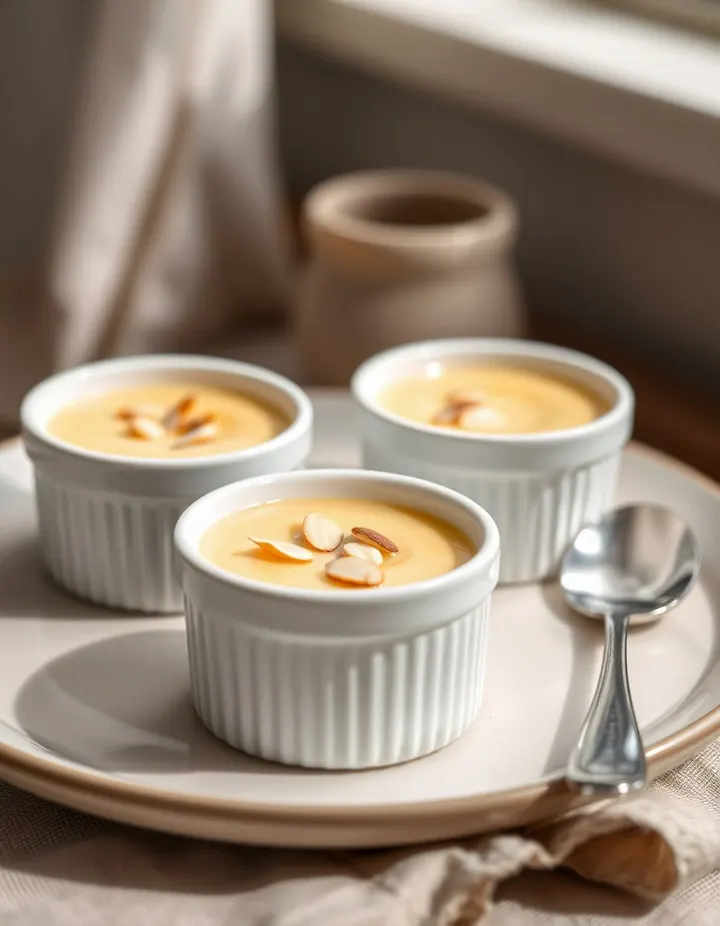 Almond Custard22 recipes
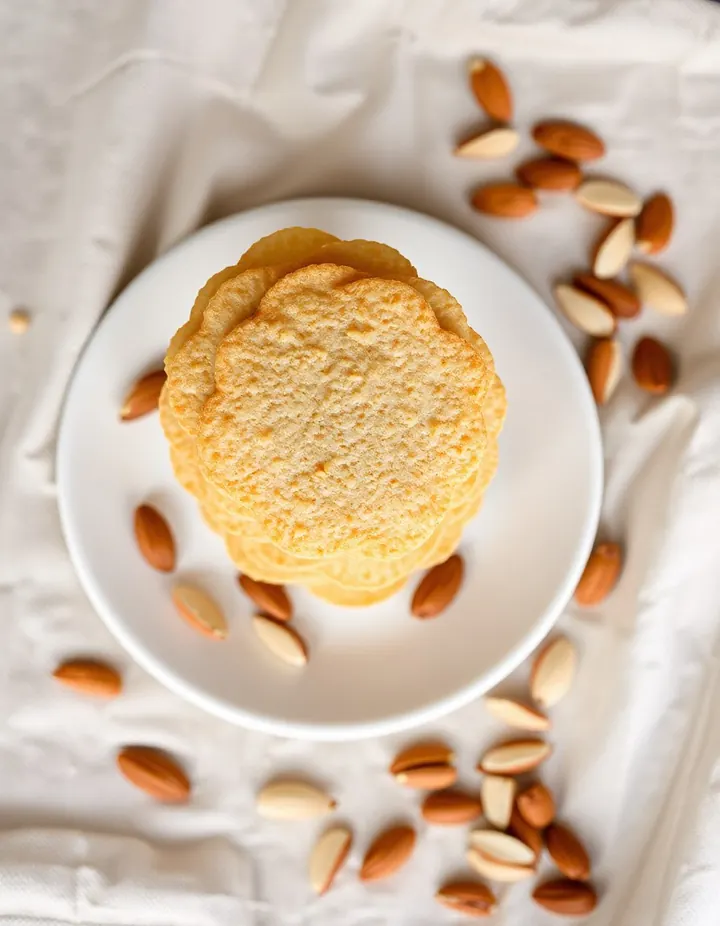 Almond Wafers22 recipes
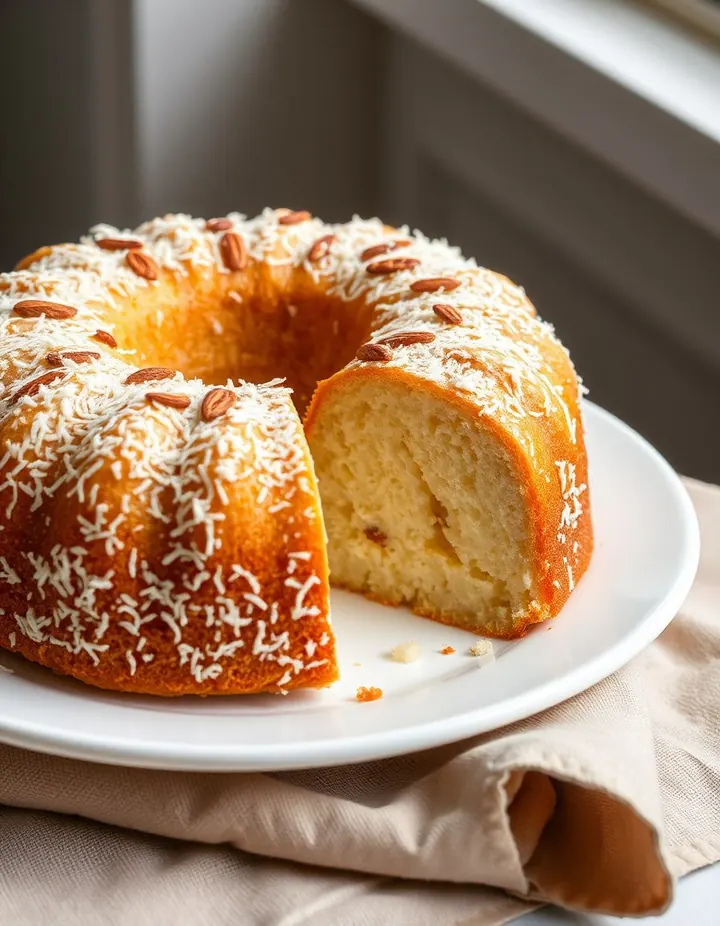 Coconut Almond Cake17 recipes
The free Flavor Lab newsletter: one surprising pairing a week and the molecular reason it works, in 60 seconds. No spam, unsubscribe anytime.
Prefer an account? Create a free account to save pairings and unlock the full chemistry.