Why it works: Chocolate and cream are a kitchen classic. They rank in the top 11% of all ingredient pairs, and cooks put them together in 5,466 recipes. Both carry delta-decalactone, which smells sweet, creamy. The science ↓
Vanilla Parfait
Ingredients
Directions
Make the custard
Beat the yolks of eight eggs until light.
Add one cupful of syrup to the yolks.
Place the mixture on a slow fire and stir constantly until the eggs have thickened enough to coat a spoon.
Turn the mixture into a bowl and beat it with a whip until it is cold.
If a vanilla bean is used for flavoring, infuse it with the syrup.
If vanilla extract is used, add a teaspoonful of it to the custard when it is taken from the fire.
Finish and freeze
When the custard is cold, add a pint of cream whipped to a stiff froth.
Stir the custard and cream lightly together.
Turn the mixture into a mold holding three pints.
Make the joints of the mold very tight as directed for molding at head of chapter.
Pack the mold in ice and salt for four hours.
Flavor options
(Optional) Vary the cream by using different flavorings: a tablespoonful of curacao or of noyau, two ounces of chocolate melted and smoothed with a little cream, etc.
Nutrition, whole recipe (rough)
Counts 3 of 4 ingredients. The other 1 aren't in our nutrition table and add nothing above, so the real totals are higher.
What these numbers assume: 3 portions
| Ingredient | Portion assumed | kcal |
|---|---|---|
| Chocolate | 1 oz (28g) semisweet | 155 |
| Egg | 1 large egg (50g) | 78 |
| Cream | 1 tbsp (15ml) heavy | 51 |
| Syrup | not in our table | 0 |
One typical portion per ingredient; the recipe's quantities are not counted. A rough guide only, not for medical or dietary planning.
Transcribed from a scanned cookbook and modernised for today's kitchens. Where the book gave no heat or time, or said "a moderate oven", the temperatures and times here may be modern equivalents rather than the book's own figures. See the original page.
Explore the science
The flavor team
The pairs that carry this dish. Each one is judged two ways: how much their aromas overlap, and how often cooks already put them together.
-
Chocolate + creamtop 11% of all pairsSmell alikemoderateCooked together5,466 recipes
Shared aroma: delta-decalactone (sweet, creamy).
-
Syrup + creamtop 12% of all pairsSmell alikemoderateCooked together1,964 recipes
Shared aroma: ethanol (alcoholic, ethereal).
-
Syrup + chocolatetop 15% of all pairsSmell alikelowCooked together1,239 recipes
Shared aroma: ethanol (alcoholic, ethereal).
-
Chocolate + eggtop 24% of all pairsSmell alikemoderateCooked together11,448 recipes
Shared aroma: 2-heptenal (green).
-
Cream + eggtop 24% of all pairsSmell alikelowCooked together42,166 recipes
Shared aroma: acetic acid (sour, vinegar).
Cream and egg barely smell alike, yet cooks put them together in 42,166 recipes: they work on texture and structure more than aroma.
Ranks compare each pair with 20,000 random ingredient pairs on CompKitchen. How we score pairs
What each ingredient does
- Eggs
- Yolks thicken on gentle heat to form the custard base that gives the parfait its body.
- Syrup
- Adds sweetness and dissolves into the yolks, softening the frozen texture.
- Cream
- Whipped to a stiff froth, it adds air and richness, keeping the frozen dessert light and smooth.
- Chocolate
- Melted into the mixture as an optional flavoring, adding bitterness and fat to the custard.
The step that matters
Thickening the custard over a slow fire. Egg yolks set at about 160°F and curdle if overheated, so stirring constantly over gentle heat keeps the custard smooth enough to coat a spoon.
“What each ingredient does” and “The step that matters” were written by Claude from this recipe’s own method and reviewed in samples by CompKitchen.
You might also like
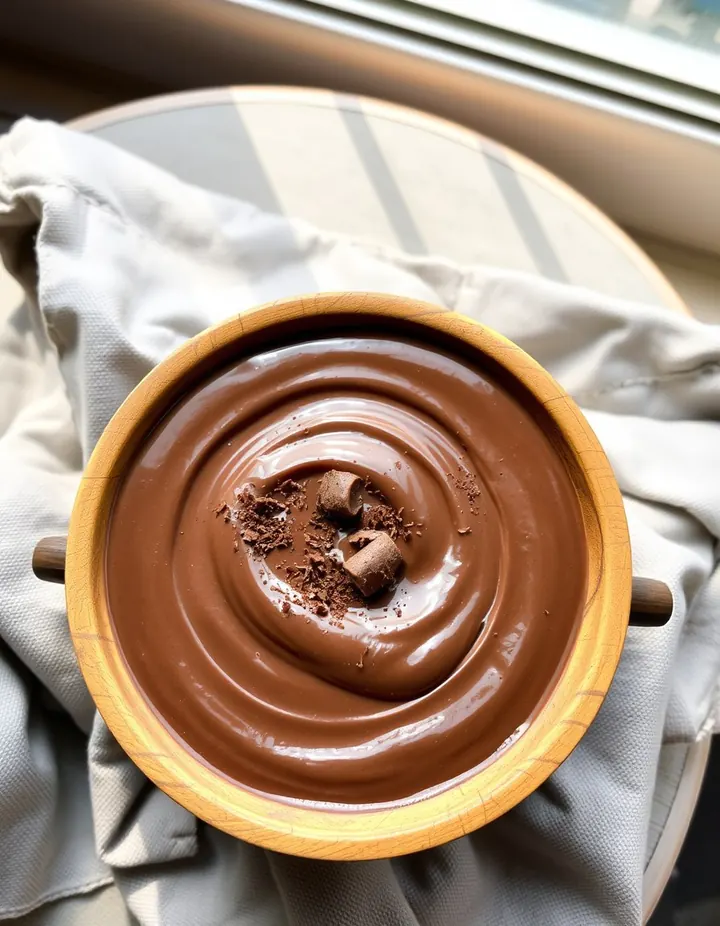 Chocolate Cream171 recipes
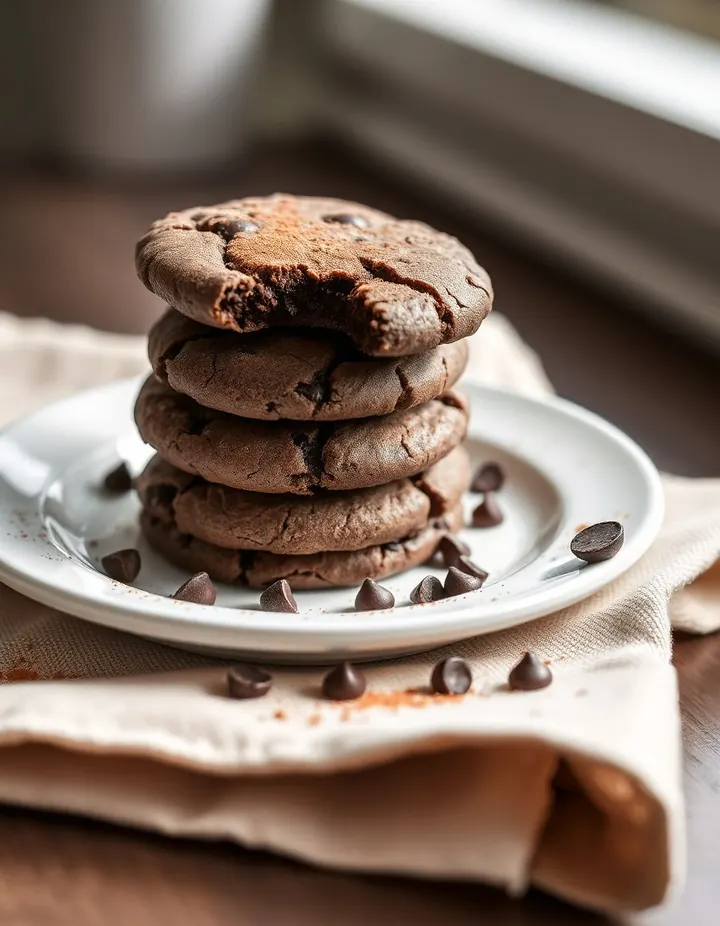 Chocolate Cookies76 recipes
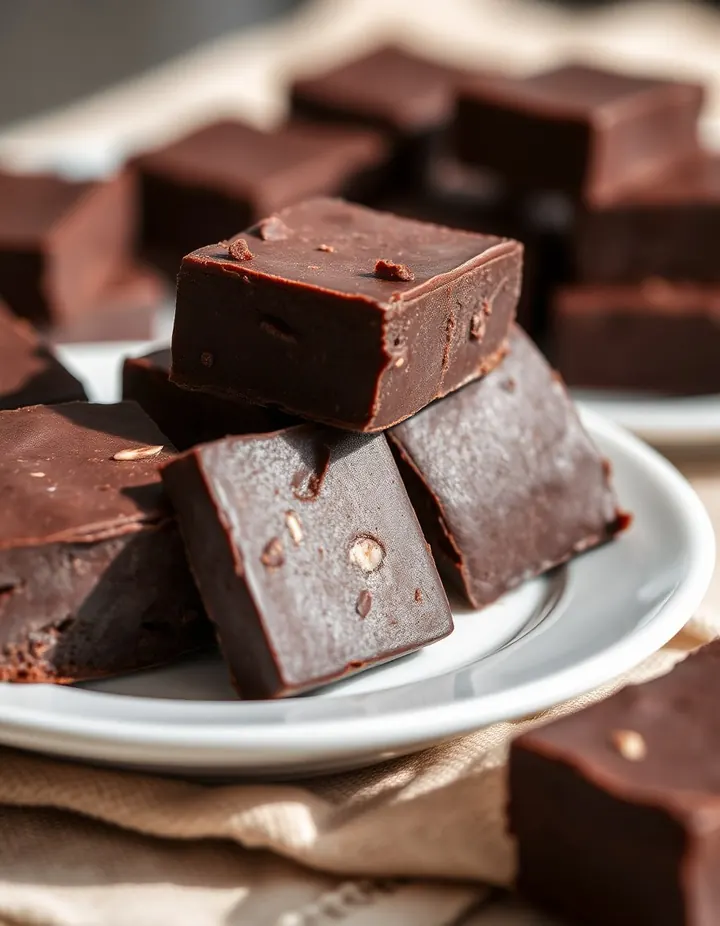 Chocolate Fudge55 recipes
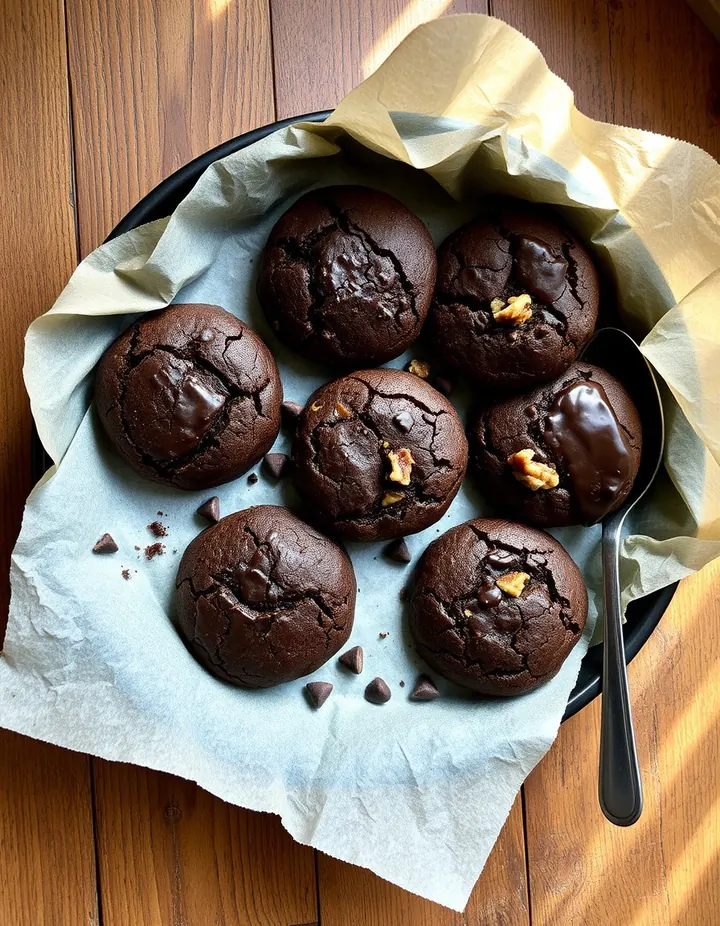 Chocolate Drop Cookies50 recipes
The free Flavor Lab newsletter: one surprising pairing a week and the molecular reason it works, in 60 seconds. No spam, unsubscribe anytime.
Prefer an account? Create a free account to save pairings and unlock the full chemistry.