Why it works: Vanilla and chocolate are a kitchen classic. They rank in the top 5% of all ingredient pairs, and cooks put them together in 10,020 recipes. Both carry sotolon, which smells curry, maple. The science ↓
Marrons Glace
Ingredients
Directions
Prepare the chestnuts
Remove the shells from a dozen or more French chestnuts.
Cover them with boiling water and let them stand a few minutes until the skins can be removed.
Put them again in hot water and simmer slowly until the nuts are tender, but not soft.
Candy the chestnuts
Put a cupful of sugar and a cupful of water in a saucepan and stir until dissolved.
Add the boiled chestnuts and let them cook in the syrup until they look clear.
Turn them onto a sieve, using care not to break the nuts, and let them cool.
Return the strained syrup to the saucepan and cook it to the hard-ball stage.
Remove it from the fire, add a few drops of lemon-juice and a half teaspoonful of vanilla extract.
Drop the chestnuts into it, one at a time, turn until thinly coated, and remove with a candy wire to an oiled paper or slab.
Or, when the sugar has reached the ball stage, add a few drops of lemon-juice, let it cool a few minutes, and then stir until it begins to whiten.
Then immediately place in a pan of hot water, flavor with vanilla and stir until it again becomes liquid, and dip the nuts as directed above.
Make the gum arabic paste
Soak four ounces of gum arabic in a cupful of water until it is dissolved.
Strain it to take out any black specks that may be in the gum.
Put the dissolved gum arabic into a saucepan with a half pound of powdered sugar.
Place the saucepan in a second pan containing boiling water.
Stir until the mixture becomes thick and white.
When it begins to thicken, test it by dropping a little into cold water.
When it will form a firm ball remove it from the fire, and stir into it the whites of three eggs whipped to a stiff froth. This will give it a spongy texture.
Lastly, flavor it with two teaspoonfuls of orange-flower water.
Turn the paste into a pan covered thick with corn-starch. The layer of paste should be one inch thick. Too large a pan must not be used, or it will spread and make a thin layer.
After the paste has stood twelve hours, turn it onto a slab and cut it into inch squares, dust them well with corn-starch or with confectioner's sugar, and pack in boxes. As the paste is more or less cooked, it will be more or less stiff. Marshmallows become harder the longer they are kept, but are best when as soft as they can be handled.
Make the chocolate candy
Put into a saucepan a half cupful each of molasses, of white sugar and of brown sugar, a cupful of grated chocolate, and a cupful of cream or milk.
Stir the mixture constantly over the fire until it reaches the hard-ball stage, then add a teaspoonful of vanilla and turn it onto an oiled slab between iron bars, or into a greased tin, having the paste an inch thick.
Mark it in inch squares and cut before it is quite cold. Wrap each piece in paraffin paper.
Nutrition, whole recipe (rough)
Counts 6 of 7 ingredients. The other 1 aren't in our nutrition table and add nothing above, so the real totals are higher.
What these numbers assume: 6 portions
| Ingredient | Portion assumed | kcal |
|---|---|---|
| Chocolate | 1 oz (28g) semisweet | 155 |
| Egg | 1 large egg (50g) | 78 |
| Molasses | 1 tbsp (20g) | 58 |
| Cream | 1 tbsp (15ml) heavy | 51 |
| Sugar | 1 tbsp (12.5g) granulated | 49 |
| Vanilla | 1 tsp extract (4ml) | 12 |
| Water | not in our table | 0 |
One typical portion per ingredient; the recipe's quantities are not counted. A rough guide only, not for medical or dietary planning.
Transcribed from a scanned cookbook and modernised for today's kitchens. Where the book gave no heat or time, or said "a moderate oven", the temperatures and times here may be modern equivalents rather than the book's own figures. See the original page.
Explore the science
The flavor team
The pairs that carry this dish. Each one is judged two ways: how much their aromas overlap, and how often cooks already put them together.
-
Vanilla + chocolatetop 5% of all pairsSmell alikemoderateCooked together10,020 recipes
Shared aroma: sotolon (curry, maple).
-
Vanilla + orangetop 6% of all pairsSmell alikemoderateCooked together2,371 recipes
Shared aroma: beta-damascenone (apple, rose).
-
Vanilla + sugartop 8% of all pairsSmell alikelowCooked together35,032 recipes
Shared aroma: beta-damascenone (apple, rose).
-
Sugar + creamtop 9% of all pairsSmell alikemoderateCooked together43,450 recipes
Shared aroma: 2,3-butanedione (butter, sweet).
-
Sugar + molassestop 11% of all pairsSmell alikemoderateCooked together9,225 recipes
Shared aroma: ethanol (alcoholic, ethereal).
Vanilla and sugar barely smell alike, yet cooks put them together in 35,032 recipes: they work on texture and structure more than aroma.
Ranks compare each pair with 20,000 random ingredient pairs on CompKitchen. How we score pairs
What each ingredient does
- Eggs
- Whipped whites give the paste a light, spongy texture.
- Powdered sugar
- Sweetens the paste and, when cooked, sets it into a firm, chewy body.
- Gum arabic
- Thickens the paste and helps it hold a firm, soft shape.
- Sugar
- Forms the syrup that coats the chestnuts and sets to a glossy shell.
- Grated chocolate
- Gives the chocolate candy its flavor and deep color.
The step that matters
Cooking the sugar to the hard-ball stage. Sugar syrup must reach the right temperature to set correctly. Too little cooking leaves the coating sticky, while overcooking makes it brittle or grainy. Testing by dropping a little into cold water shows when it has reached the correct stage.
Swap the orange
How well each one fits the dish's main ingredients (vanilla, sugar, molasses, chocolate, cream, egg):
- Figfits better
- Raspberryfits better
- Strawberryfits better
- Orangethe original
Fit is the average pairing score against vanilla, sugar, molasses, chocolate, cream, egg. Candidates are from the same food group and used in at least 100 recipes.
“What each ingredient does” and “The step that matters” were written by Claude from this recipe’s own method and reviewed in samples by CompKitchen.
You might also like
 Orange Bundt Cake349 recipes
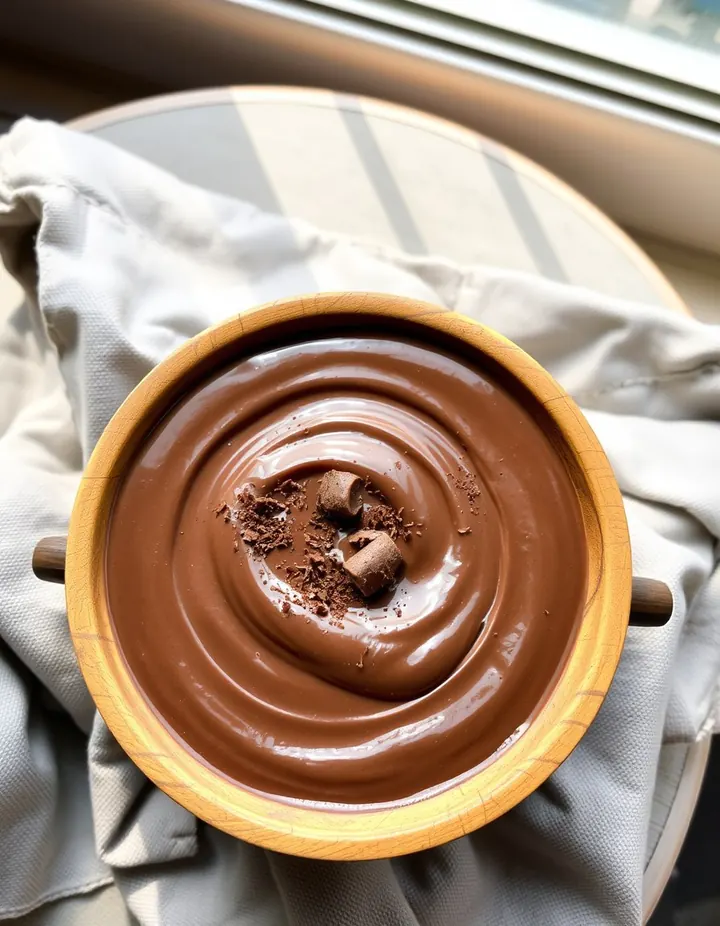 Chocolate Cream171 recipes
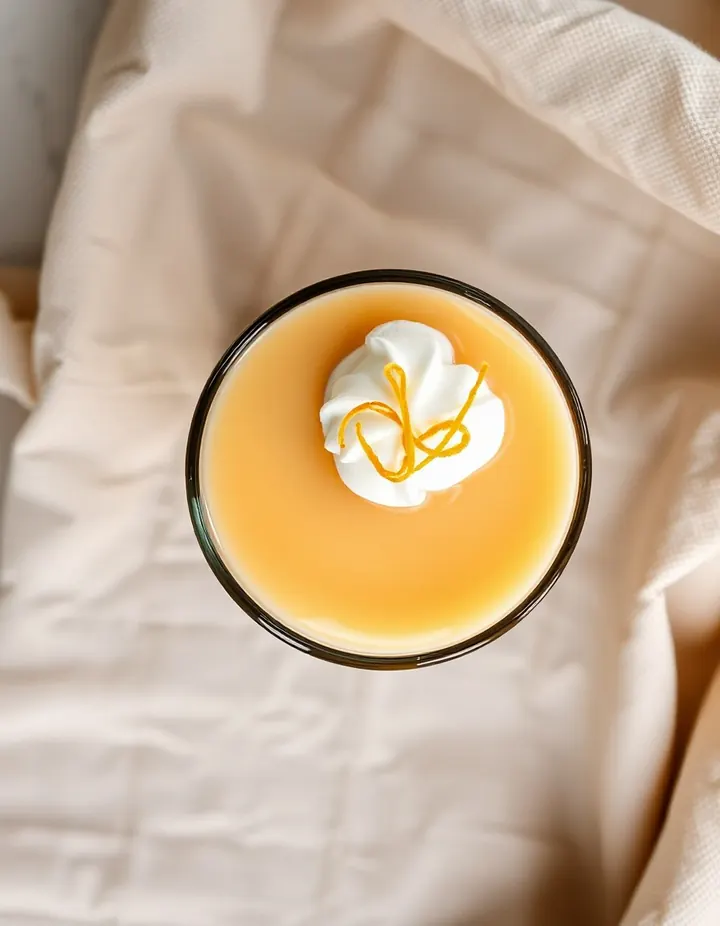 Orange Cream Rice Pudding121 recipes
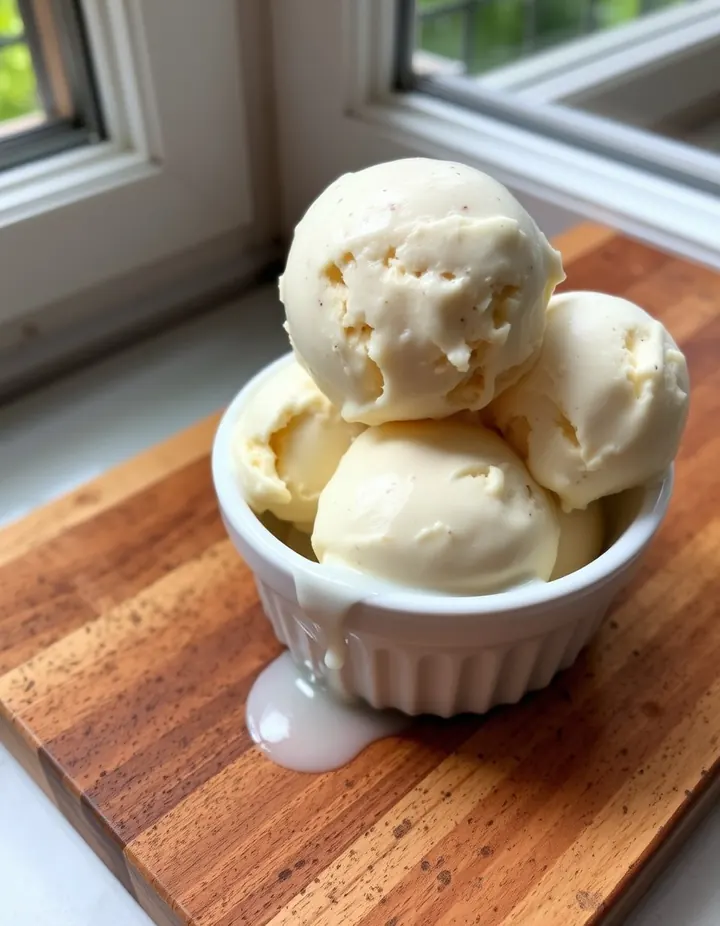 Vanilla Ice Cream108 recipes
The free Flavor Lab newsletter: one surprising pairing a week and the molecular reason it works, in 60 seconds. No spam, unsubscribe anytime.
Prefer an account? Create a free account to save pairings and unlock the full chemistry.