Why it works: Milk and butter are a kitchen classic. They rank in the top 7% of all ingredient pairs, and 81,283 recipes mention both. Both carry (z)-4-heptenal, which smells biscuit, cream. The science ↓
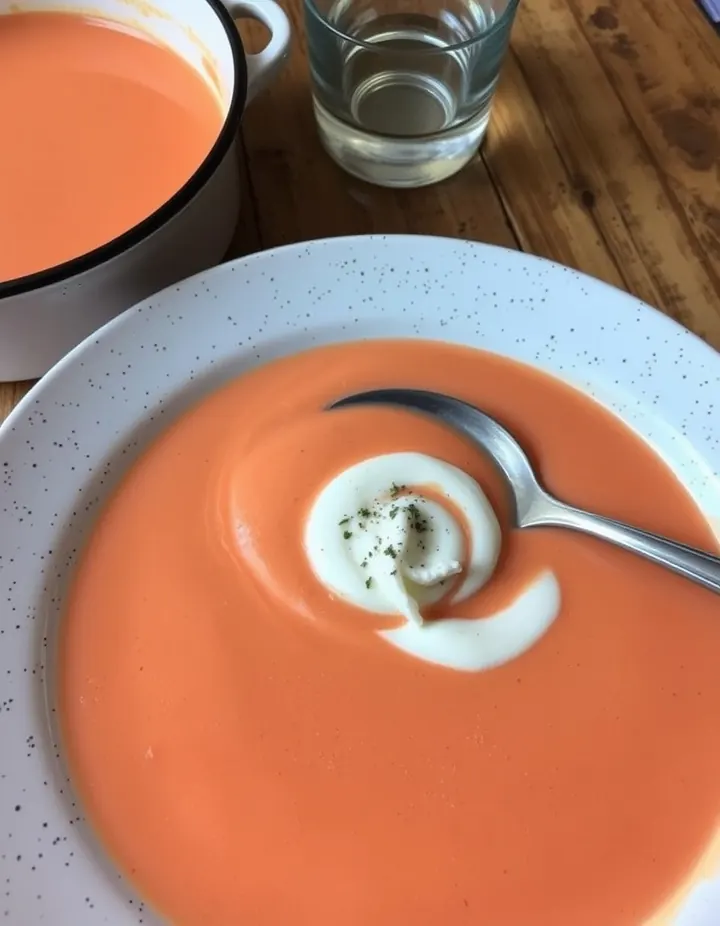
11. Cream of Tomato Soup.
Ingredients
Directions
_Ingredients._
Tomato juice 1/2 cup Milk 1 quart Flour 2 tablespoonfuls Butter 2 tablespoonfuls Salt 2 teaspoonfuls Bicarbonate of soda 1/2 teaspoonful Pepper, Cayenne To taste.
_Remarks._——Celery and onion may be added, but are not necessary. When you become expert, you will be able to use a larger amount of tomato juice, and even omit the soda.
_Method of mixing._——This you will be able to work out for yourself. First perform this simple experiment. Stir together a tablespoonful of stewed tomato and a tablespoonful of milk. What happens? Heat this mixture. What further do you notice? How may you best extract the juice from the tomato? You have noticed the effect of the acid tomato upon the milk. The soda is added to partly counteract this effect. Will you stir the soda into the tomato juice or into the milk? Will you stir the tomato juice into the milk, or the milk into the tomato juice? Will you cook the mixture at all? How long before serving will you mix the two? When will you add the butter and flour?
_Laboratory management._——An individual portion of soup may be made with 1/2 cup of liquid, but it is better to allow 1 cup when possible to each pupil, or two pupils may work together.
The important point in this soup is to prevent the curdling, so you safeguard the milk at each step.
Croutons may be served with any of these soups.
Transcribed from a scanned cookbook and modernised for today's kitchens. Where the book gave no heat or time, or said "a moderate oven", the temperatures and times here may be modern equivalents rather than the book's own figures. See the original page.
Explore the science
The flavor team
The pairs that carry this dish. Each one is judged two ways: how much aroma chemistry they share, and how many recipes mention both.
-
Milk + buttertop 7% of all pairsAroma overlapmoderateMentioned together81,283 recipes
Shared aroma: (z)-4-heptenal (biscuit, cream).
-
Pepper + tomatotop 7% of all pairsAroma overlapmoderateMentioned together17,923 recipes
Shared aroma: 2-isopropyl-3-methoxypyrazine (earthy, pea).
-
Flour + buttertop 12% of all pairsAroma overlaplowMentioned together124,287 recipes
Shared aroma: isobutyraldehyde (malty, green).
-
Milk + flourtop 14% of all pairsAroma overlaplowMentioned together78,219 recipes
Shared aroma: isobutyraldehyde (malty, green).
-
Tomato + milktop 15% of all pairsAroma overlapmoderateMentioned together2,226 recipes
Shared aroma: 1-octen-3-one (mushroom, metallic).
Flour and butter share little aroma chemistry, yet 124,287 recipes mention both: they likely work on texture and structure more than aroma.
Ranks compare each pair with 20,000 random ingredient pairs on CompKitchen. How we score pairs
You might also like
 Tomato Soup526 recipes
 Tomato Bisque61 recipes
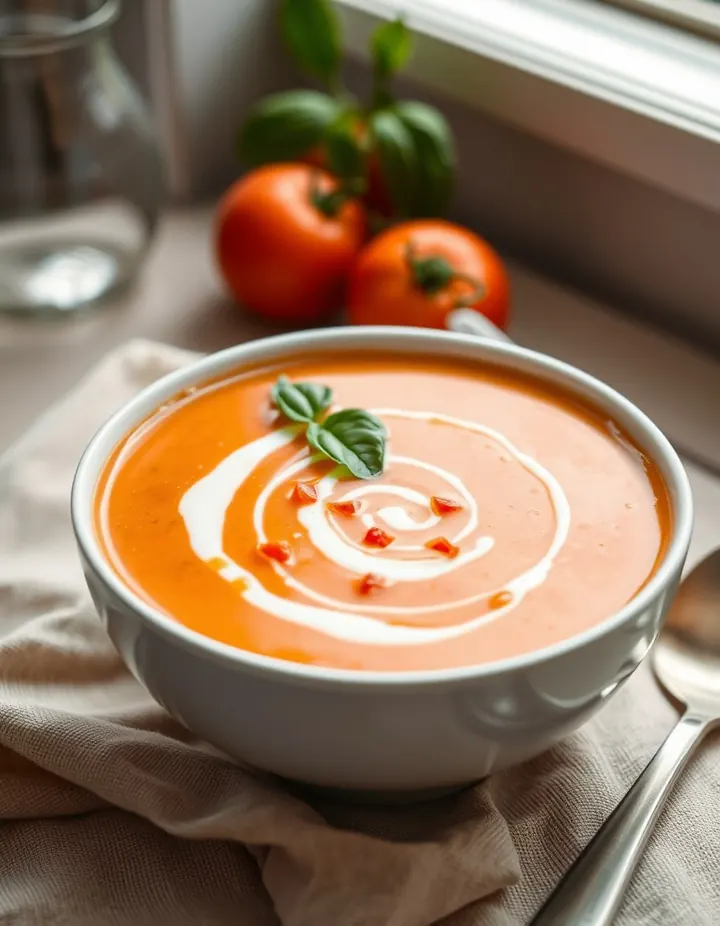 Cream Tomato Soup28 recipes
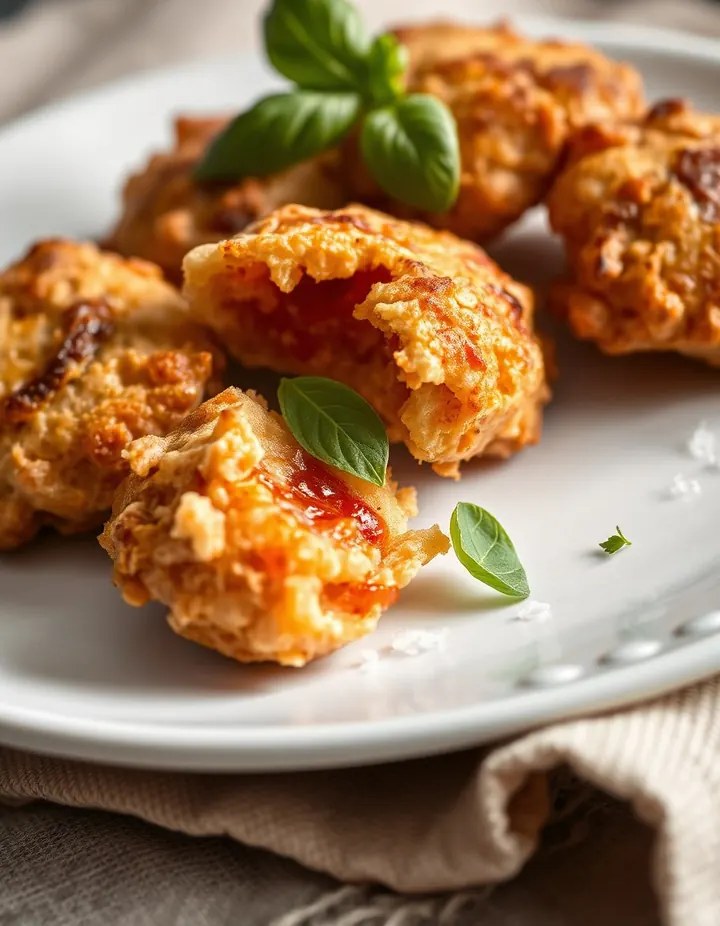 Tomato Fritters23 recipes
The Sunday pairing: one pairing, the chemistry behind it, and how to cook it. No spam, unsubscribe anytime.
Prefer an account? Create a free account for sign-in; Pro adds the full results and chemistry.