Why it works: Wine and ginger are a kitchen classic. They rank in the top 9% of all ingredient pairs, and 1,152 recipes mention both. Both carry 2-isopropyl-3-methoxypyrazine, which smells earthy, pea. The science ↓
The recipe
Ingredients
Contains: egg, milk, wheat, tree nuts (auto-detected from the ingredients and method; we can miss things, so check labels)
Also mentioned in the method: nuts
Directions
Make the liquor
Boil together for 1 hour in a copper (let it previously be well scoured and beautifully clean) the water, sugar, lemon rinds, and bruised ginger; remove every particle of scum as it rises, and when the liquor is sufficiently boiled, put it into a large tub or pan, as it must not remain in the copper.
Ferment and age
When nearly cold, add the yeast, which must be thick and very fresh, and the next day, put all in a dry cask with the strained lemon juice and chopped raisins.
Stir the wine every day for a fortnight; then add the brandy, stop the cask down by degrees, and in a few weeks it will be fit to bottle.
Transcribed from a scanned cookbook and modernised for today's kitchens. Where the book gave no heat or time, or said "a moderate oven", the temperatures and times here may be modern equivalents rather than the book's own figures. See the original page.
Explore the science
The flavor team
The pairs that carry this dish. Each one is judged two ways: how much aroma chemistry they share, and how many recipes mention both.
-
Wine + gingertop 9% of all pairsAroma overlapmoderateMentioned together1,152 recipes
Shared aroma: 2-isopropyl-3-methoxypyrazine (earthy, pea).
-
Nutmeg + allspicetop 1% of all pairsAroma overlapstrongMentioned together3,331 recipes
Shared aroma: estragole (anise, licorice).
-
Ginger + allspicetop 2% of all pairsAroma overlapstrongMentioned together2,620 recipes
Shared aroma: estragole (anise, licorice).
-
Lemon + gingertop 3% of all pairsAroma overlapstrongMentioned together5,154 recipes
Shared aroma: beta-phellandrene (minty, terpene).
-
Nutmeg + gingertop 3% of all pairsAroma overlapstrongMentioned together3,324 recipes
Shared aroma: estragole (anise, licorice).
Ranks compare each pair with 20,000 random ingredient pairs on CompKitchen. How we score pairs
What each ingredient does
- Yeast
- Ferments the sugar into alcohol and carbon dioxide, turning the liquor into wine.
- Sugar (in the method)
- Provides sweetness and the food that the yeast ferments into alcohol.
- Brandy
- Adds alcohol and strength, and helps stabilise the wine once added.
- Lemon
- Adds acidity and fresh citrus aroma to balance the sweetness.
- Ginger
- Adds its warm, sharp aroma and flavour to the wine.
The step that matters
Add the yeast only when the liquor is nearly cold. Yeast cells are killed by high heat. Adding it to liquor that is still hot can stop fermentation before it starts, so the liquor must cool first.
Flavor stand-ins for the allspice
How well each one fits the dish's main ingredients (brandy, wine, milk, lemon, egg, nutmeg, ginger):
- Cinnamonbetter flavor fit
- Cardamombetter flavor fit
- Cloveabout as good a flavor fit
- Allspicethe original
Fit is the average pairing score against brandy, wine, milk, lemon, egg, nutmeg, ginger. Candidates are from the same food group and used in at least 100 recipes. This compares flavor only: it does not check the job the ingredient does in the dish (bulk, moisture, acidity, structure).
“What each ingredient does” and “The step that matters” were written by Claude from this recipe’s own method and reviewed in samples by CompKitchen.
You might also like
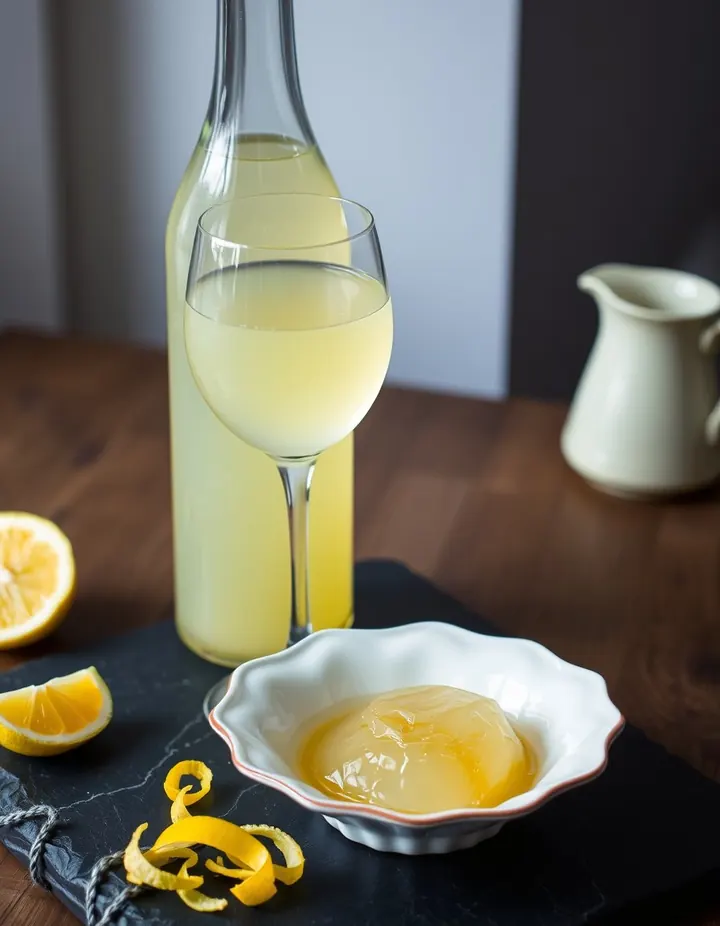 Illustration
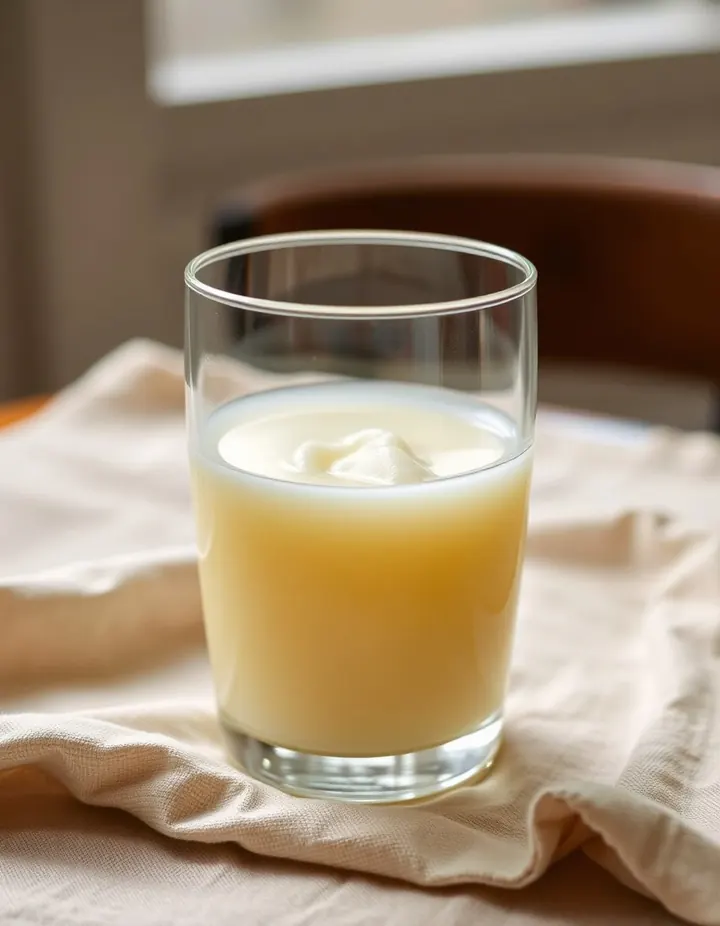 Illustration
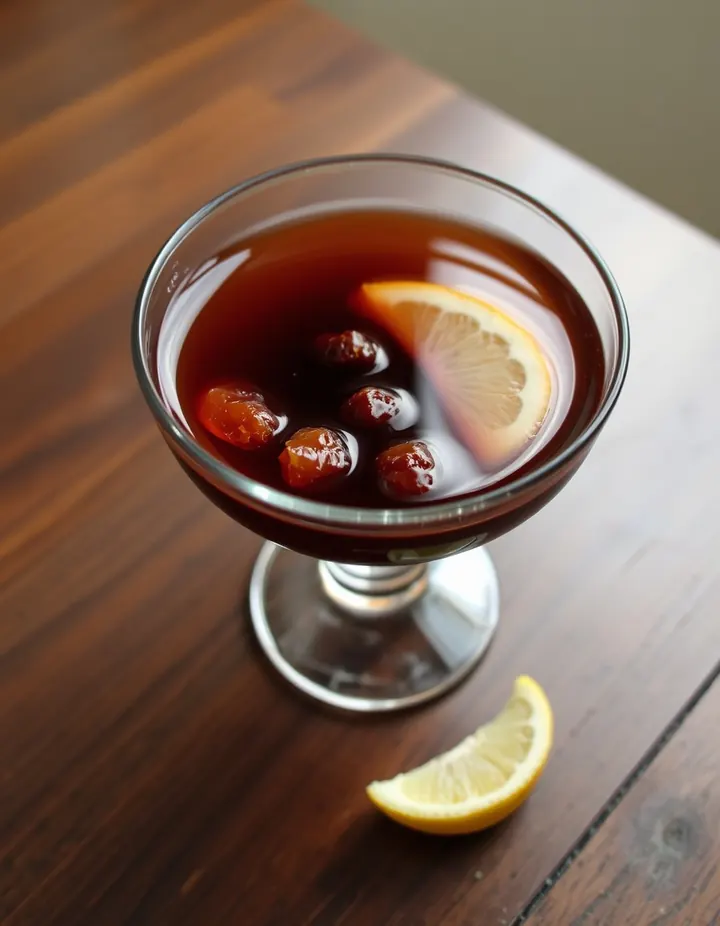 Illustration
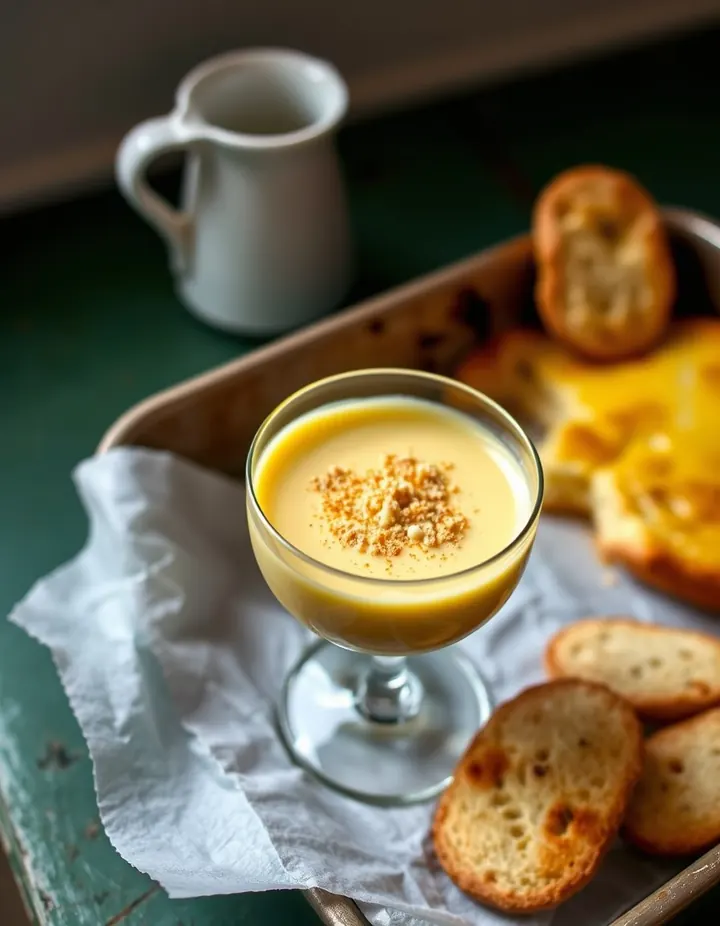 Illustration
The Sunday pairing: one pairing, the chemistry behind it, and how to cook it. No spam, unsubscribe anytime.
Prefer an account? Create a free account for sign-in; Pro adds the full results and chemistry.