Why it works: Flour and sugar are a kitchen classic. They rank in the top 15% of all ingredient pairs, and cooks put them together in 92,116 recipes. Both carry phenylacetaldehyde, which smells hawthorne, honey. The science ↓
German Yeast and Parisian Barm
Ingredients
Directions
Yeasts, or barms, are of many varieties, but I purpose here to deal with only two kinds--that commonly known as German yeast, which is mostly used in England, and Parisian barm, the kind most in use in Scotland.
A great point in working German yeast is to know when it is in proper condition, as it is very liable to go bad in very warm weather, or if kept in a very warm place. Care should be taken to keep it in a place as near a temperature of 56° to 60° Fahr. as possible. Should there be any suspicion that the yeast is not up to the mark, a simple and sure test is to get a clean cup or tumbler, half fill it with warm water of a temperature of 100°, put an ounce of loaf sugar in the water, and when dissolved add one ounce of yeast. The yeast will, of course, sink to the bottom, but if it is sound and in good condition it will rise to the top in two minutes. Should it take much longer than that, the less you have to do with it the better.
Parisian barm makes a nice showy loaf, but for flavour I prefer German yeast. To make Parisian barm 1 gallon of water is put into a pan at, say, 140° Fahr.; weigh 2 lbs. of crushed malt, put it into the water at the above temperature, cover it up for about three hours; one hour before you are going to make your barm, that is two hours since you put your malt to steep, put 3 gallons of water into a large pan, put it on the fire; when it boils, add 2 oz. of good fresh hops, well boil for twenty minutes; after which well strain the malt through a hair sieve. Put it into the barm tub and add as much flour as can be nicely stirred in with the barm-stick. Then put the boiling hop-water through a sieve on top of the malt water and flour and well stir it. It should be properly scalded. Some put the hops in a small linen bag made for the purpose and put it in the boiling water, squeezing it against the side of the pot before taking it out. Supposing it to be five o’clock in the afternoon, it may be put by with a couple of sacks over it till five o’clock next morning. Then “set the barm away” (as they say in Scotland), by adding to the above liquid half a gallon of the barm previously made.
After the old barm is added to the new, in a few hours a scum gathers on the top. This scum will either start at the side of the tub and work gradually to the other side, or I have seen it start in the middle and work itself slowly to the sides of the tub. When ready it should have a nice clear bell top. It takes from ten to twelve hours to work before it is ready.
By following this method one may always have good barm. Cleanliness is very essential for barm, and care should be taken that neither grease nor churned milk shall get near it. We need scarcely say that experience is required in this as in other things.
Nutrition, whole recipe (rough)
Counts 2 of 3 ingredients. The other 1 aren't in our nutrition table and add nothing above, so the real totals are higher.
What these numbers assume: 2 portions
| Ingredient | Portion assumed | kcal |
|---|---|---|
| Flour | 1 cup (125g) all-purpose | 455 |
| Sugar | 1 tbsp (12.5g) granulated | 49 |
| Water | not in our table | 0 |
One typical portion per ingredient; the recipe's quantities are not counted. A rough guide only, not for medical or dietary planning.
Transcribed from a scanned cookbook and modernised for today's kitchens. Where the book gave no heat or time, or said "a moderate oven", the temperatures and times here may be modern equivalents rather than the book's own figures. See the original page.
Explore the science
The flavor team
The pairs that carry this dish. Each one is judged two ways: how much their aromas overlap, and how often cooks already put them together.
-
Flour + sugartop 15% of all pairsSmell alikemoderateCooked together92,116 recipes
Shared aroma: phenylacetaldehyde (hawthorne, honey).
Ranks compare each pair with 20,000 random ingredient pairs on CompKitchen. How we score pairs
You might also like
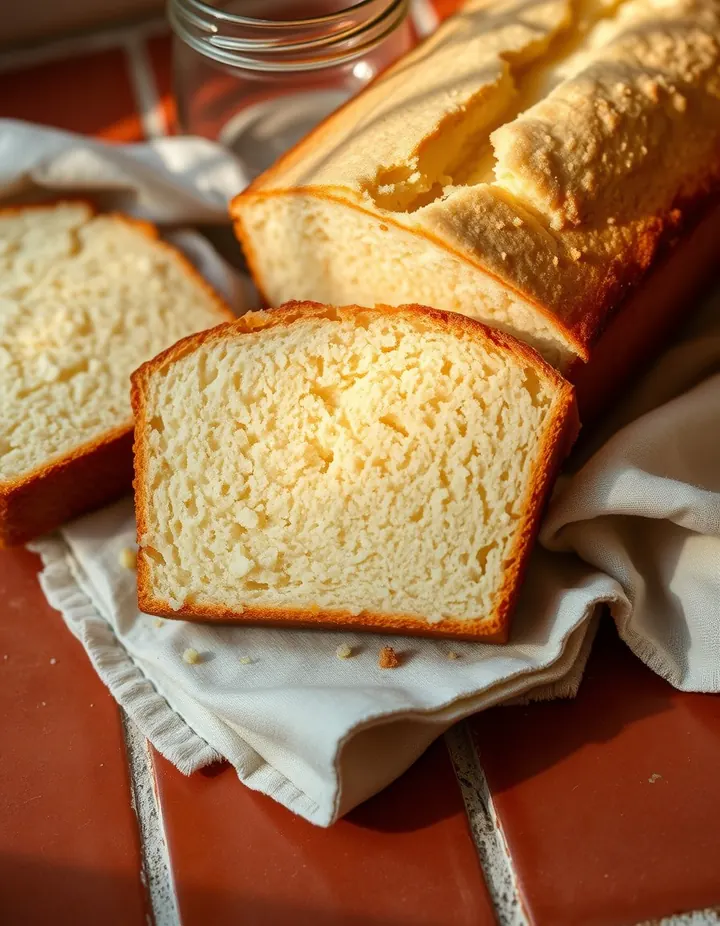 Delicate Cake246 recipes
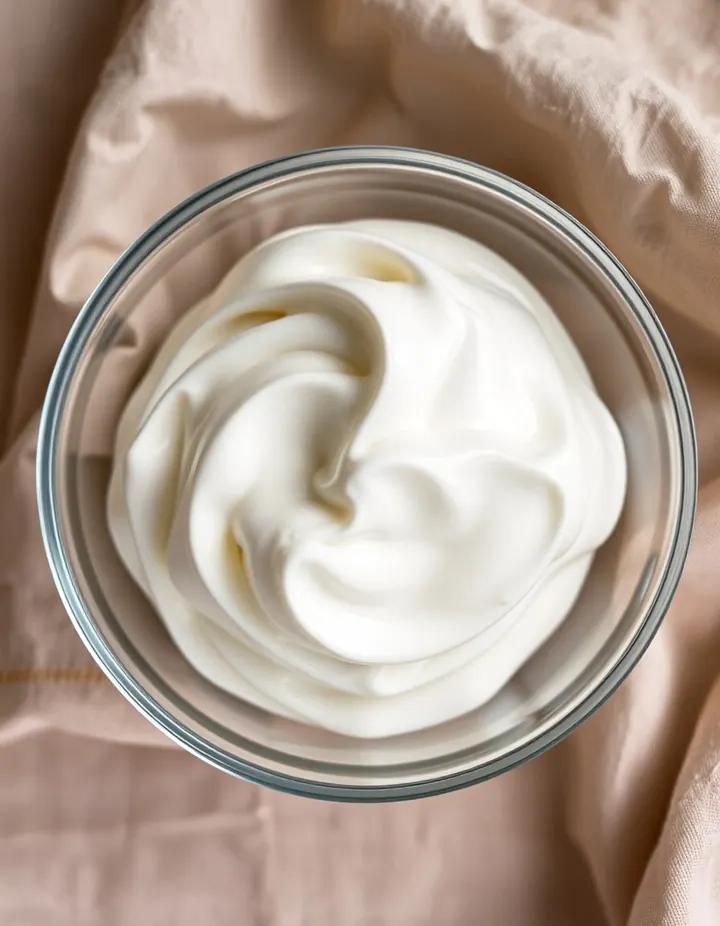 Boiled Frosting69 recipes
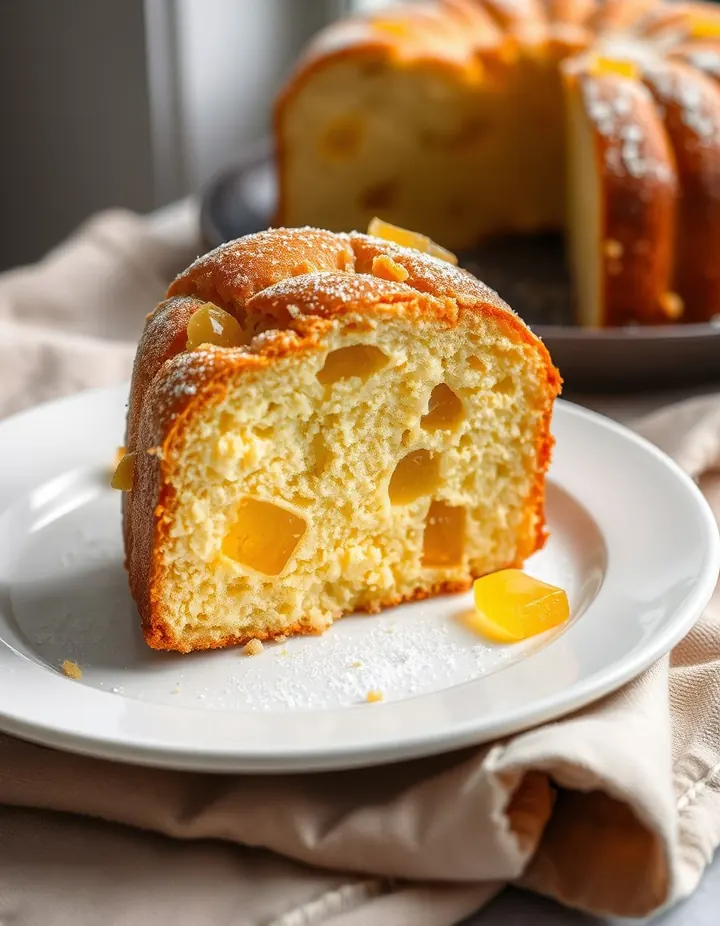 Citron Cake68 recipes
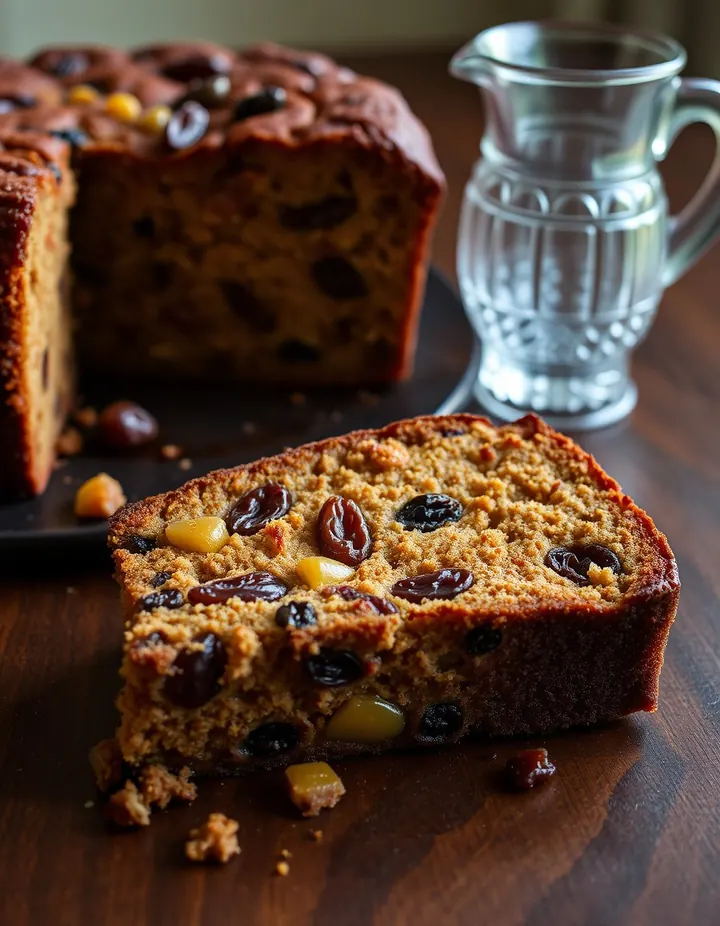 Scotch Cake63 recipes
The free Flavor Lab newsletter: one surprising pairing a week and the molecular reason it works, in 60 seconds. No spam, unsubscribe anytime.
Prefer an account? Create a free account to save pairings and unlock the full chemistry.