Why it works: Tea and vinegar work together. They rank in the top 25% of all ingredient pairs, and cooks put them together in 175 recipes. Both carry beta-damascenone, which smells apple, rose. The science ↓
Sometimes Called Drawn Butter
Ingredients
Directions
Make the sauce
Take a quarter pound of fresh butter, cut it up, and mix with about two teaspoonfuls of flour.
Put the mixture into a sauce-pan and add four tablespoonfuls of cold water.
Cover the sauce-pan and set it in a large tin pan of boiling water.
Shake the pan continually until the mixture is entirely melted and begins to simmer.
Let the sauce rest until it boils up.
Brown the flour
To brown flour: spread fine flour on a plate, bake in the oven, turning and stirring frequently until browned.
Store browned flour in a jar, cover well, and keep for later use.
Brown the butter and finish
To brown butter: put a lump of butter into a frying pan, toss over the fire until brown, then add browned flour and stir until it boils, making it smooth.
Add cayenne and flavored vinegar to make a plain sauce for fish.
Nutrition, whole recipe (rough)
Counts 3 of 4 ingredients. The other 1 aren't in our nutrition table and add nothing above, so the real totals are higher.
What these numbers assume: 3 portions
| Ingredient | Portion assumed | kcal |
|---|---|---|
| Flour | 1 cup (125g) all-purpose | 455 |
| Cayenne | 1 tsp (1.8g) | 6 |
| Vinegar | 1 tbsp (15ml) distilled | 3 |
| Water | not in our table | 0 |
One typical portion per ingredient; the recipe's quantities are not counted. A rough guide only, not for medical or dietary planning.
Transcribed from a scanned cookbook and modernised for today's kitchens. Where the book gave no heat or time, or said "a moderate oven", the temperatures and times here may be modern equivalents rather than the book's own figures. See the original page.
Explore the science
The flavor team
The pairs that carry this dish. Each one is judged two ways: how much their aromas overlap, and how often cooks already put them together.
-
Tea + vinegartop 25% of all pairsSmell alikemoderateCooked together175 recipes
Shared aroma: beta-damascenone (apple, rose).
-
Tea + flourtop 25% of all pairsSmell alikelowCooked together449 recipes
Shared aroma: isobutyraldehyde (malty, green).
-
Flour + vinegartop 27% of all pairsSmell alikemoderateCooked together8,652 recipes
Shared aroma: isobutyraldehyde (malty, green).
Ranks compare each pair with 20,000 random ingredient pairs on CompKitchen. How we score pairs
What each ingredient does
- Butter (in the method)
- Provides richness and fat, and browned butter adds a nutty aroma to the sauce.
- Flour
- Thickens the sauce, and browned flour adds color and a toasted flavor.
- Cold water
- Adds moisture so the butter emulsifies smoothly into the sauce as it melts.
- Vinegar
- Adds acidity that brightens the rich butter and balances the sauce.
The step that matters
Shake the pan continually while the butter melts. Constant shaking in gentle heat keeps the butter from separating or scorching, so the flour and water blend into a smooth emulsion instead of a greasy or lumpy sauce.
“What each ingredient does” and “The step that matters” were written by Claude from this recipe’s own method and reviewed in samples by CompKitchen.
You might also like
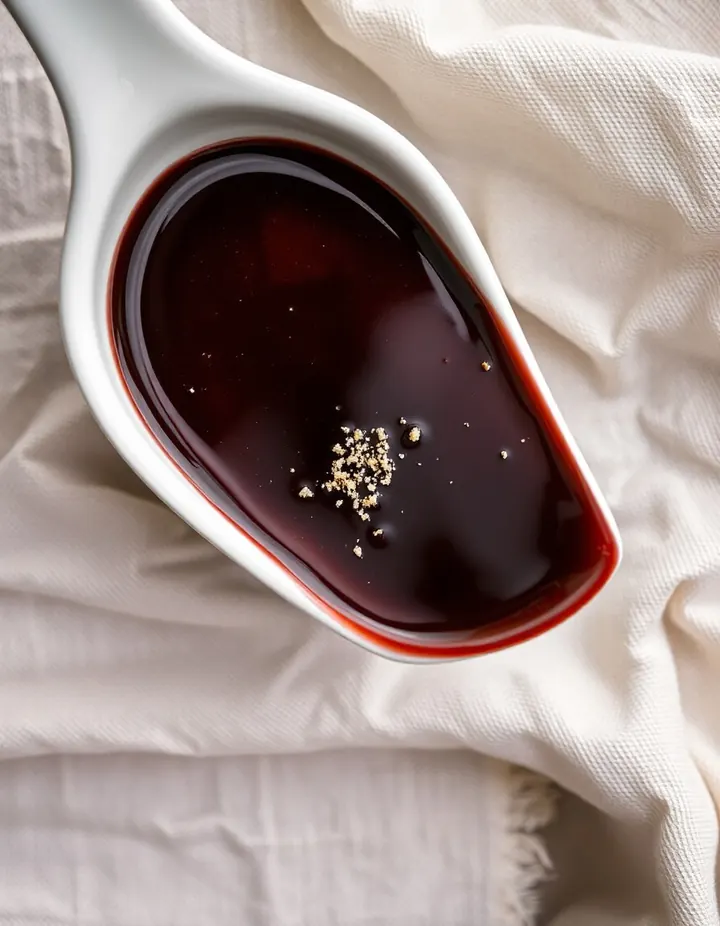 Wine Sauce (for stewed fruit)186 recipes
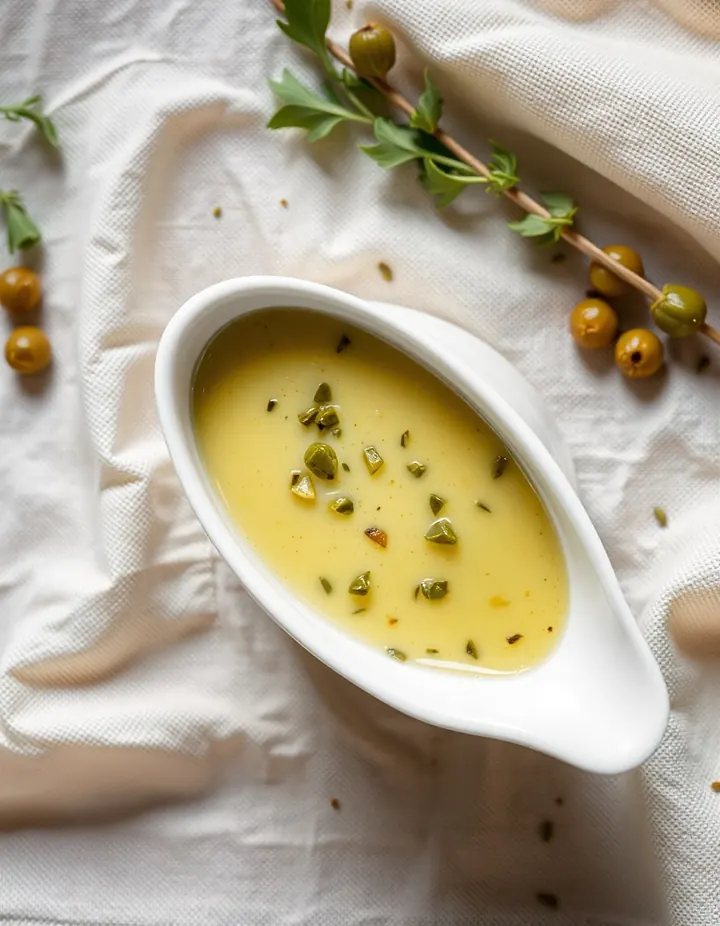 Caper Sauce180 recipes
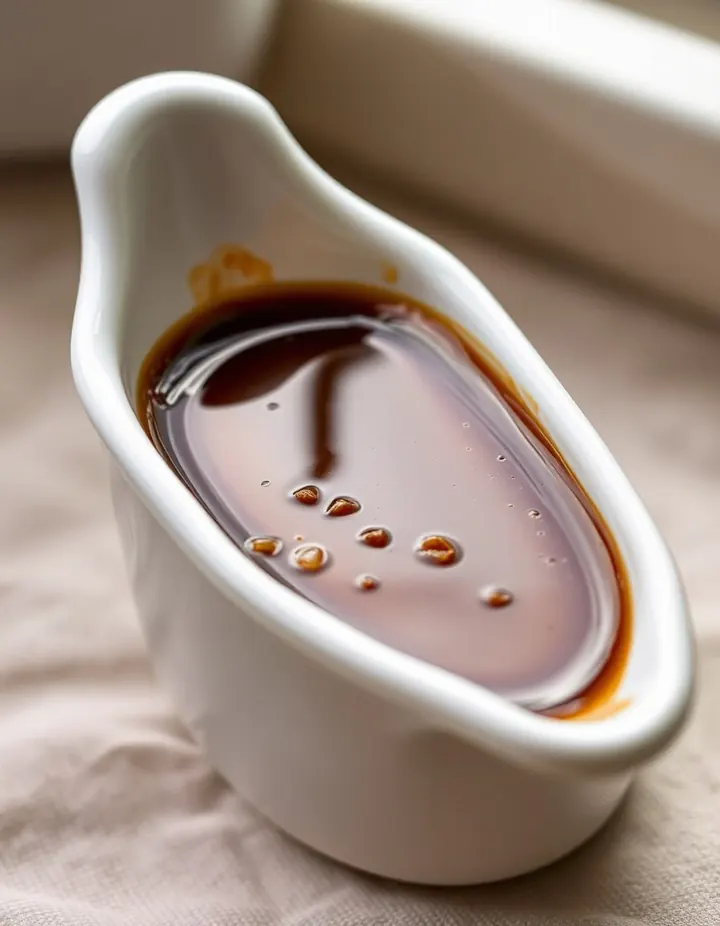 Brown Sauce141 recipes
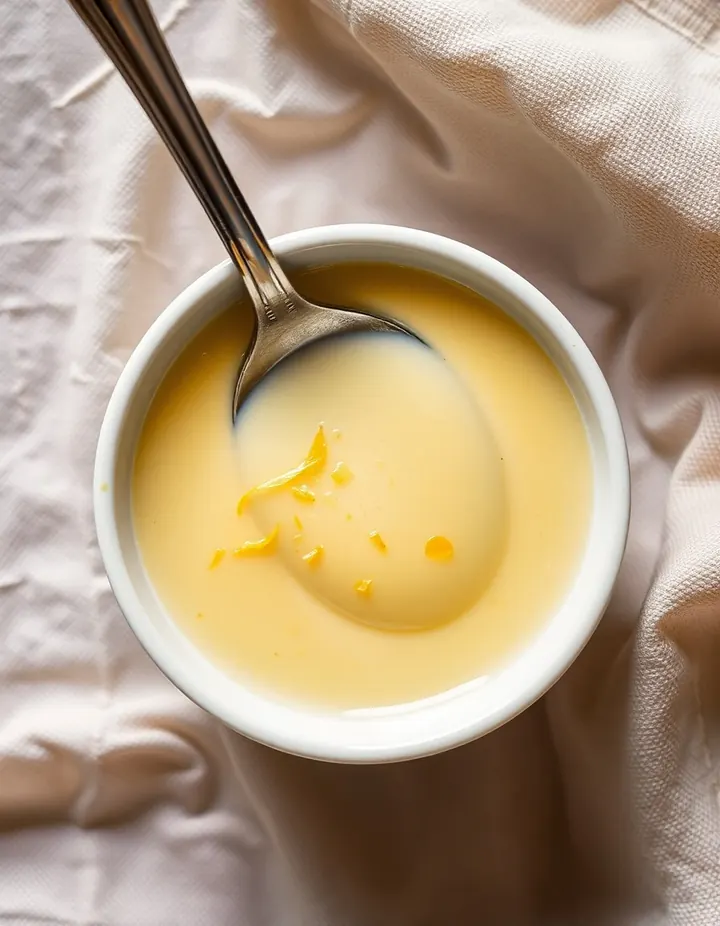 Dutch Sauce74 recipes
The free Flavor Lab newsletter: one surprising pairing a week and the molecular reason it works, in 60 seconds. No spam, unsubscribe anytime.
Prefer an account? Create a free account to save pairings and unlock the full chemistry.