Why it works: Clam and tomato work together. They rank in the top 10% of all ingredient pairs, and 133 recipes mention both. Both carry 2,3-pentanedione, which smells butter, sweet. The science ↓
The recipe
Ingredients
Contains: milk, wheat, shellfish (auto-detected from the ingredients and method; we can miss things, so check labels)
Directions
Prepare the clams
Pour water over clams, then drain.
Add the finely chopped hard part of the clams to the water.
Heat slowly to boiling point, cook for twenty minutes, then strain.
Make the bisque
Cook the butter with the onion for five minutes.
Remove the onion, add the flour, and gradually stir in the clam water.
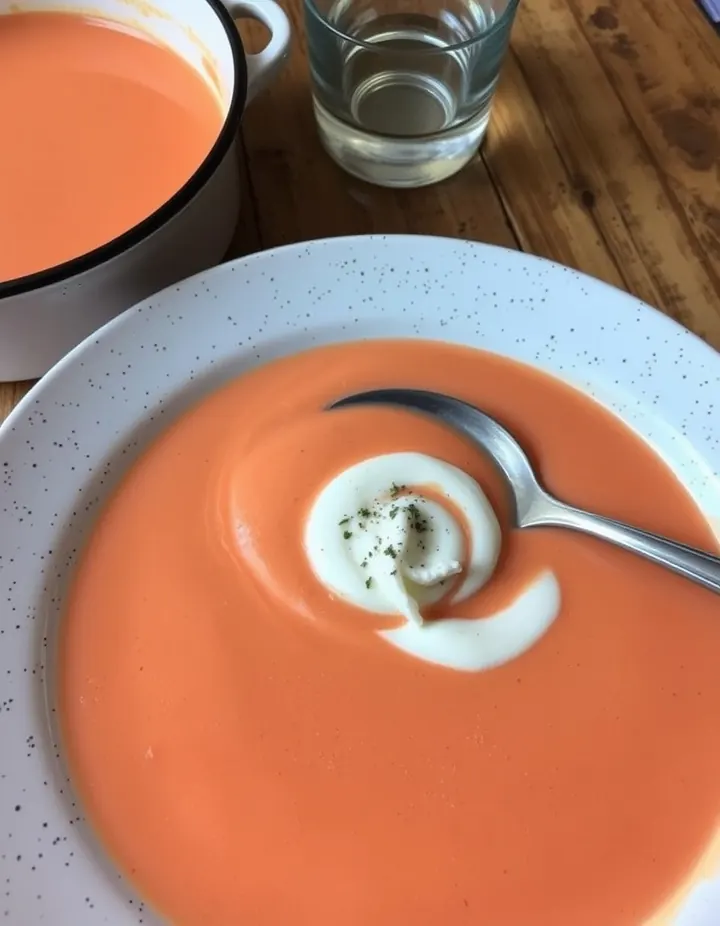
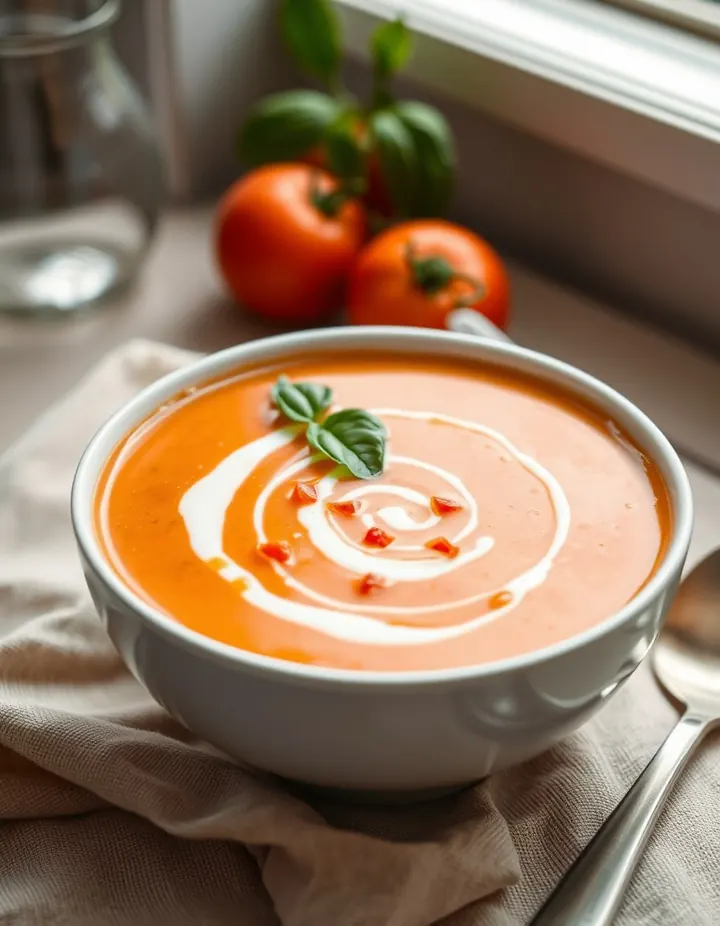
Add the cream, the soft part of the clams, and as soon as the mixture reaches boiling point, add the tomatoes with the soda.
Season with salt and cayenne, and serve immediately.
Transcribed from a scanned cookbook and modernised for today's kitchens. Where the book gave no heat or time, or said "a moderate oven", the temperatures and times here may be modern equivalents rather than the book's own figures. See the original page.
Explore the science
The flavor team
The pairs that carry this dish. Each one is judged two ways: how much aroma chemistry they share, and how many recipes mention both.
-
Clam + tomatotop 10% of all pairsAroma overlapmoderateMentioned together133 recipes
Shared aroma: 2,3-pentanedione (butter, sweet).
-
Butter + creamtop 3% of all pairsAroma overlapstrongMentioned together41,494 recipes
Shared aroma: delta-dodecalactone (sweet, creamy).
-
Clam + buttertop 4% of all pairsAroma overlapstrongMentioned together840 recipes
Shared aroma: (z)-4-heptenal (biscuit, cream).
-
Onion + tomatotop 4% of all pairsAroma overlapstrongMentioned together20,622 recipes
Shared aroma: 2-isopropyl-3-methoxypyrazine (earthy, pea).
-
Butter + flourtop 6% of all pairsAroma overlaplowMentioned together122,858 recipes
Shared aroma: isobutyraldehyde (malty, green).
Butter and flour share little aroma chemistry, yet 122,858 recipes mention both: they likely work on texture and structure more than aroma.
Ranks compare each pair with 20,000 random ingredient pairs on CompKitchen. How we score pairs
What each ingredient does
- Clams
- Provide the main flavour and the body of the bisque, with the shells flavouring the cooking water.
- Butter
- Carries the onion's flavour and forms the base of the roux with the flour.
- Flour
- Thickens the bisque when cooked with butter and then combined with the clam water.
- Cream
- Adds richness and a smooth, velvety texture to the soup.
- Stewed and strained tomatoes
- Add acidity and colour, balancing the richness of the cream.
The step that matters
Add the tomatoes and soda at the boil. Adding soda to acidic tomatoes while hot causes a fizz and can curdle cream, so the tomatoes go in only once the mixture reaches boiling point and the soup is served right away.
Flavor stand-ins for the onion
How well each one fits the dish's main ingredients (clam, butter, flour, cream, tomato):
- Potatobetter flavor fit
- Capsicumabout as good a flavor fit
- Onionthe original
- Asparagusabout as good a flavor fit
Fit is the average pairing score against clam, butter, flour, cream, tomato. Candidates are from the same food group and used in at least 100 recipes. This compares flavor only: it does not check the job the ingredient does in the dish (bulk, moisture, acidity, structure).
“What each ingredient does” and “The step that matters” were written by Claude from this recipe’s own method and reviewed in samples by CompKitchen.
You might also like
 Illustration
 Illustration
 Illustration
 Illustration
The Sunday pairing: one pairing, the chemistry behind it, and how to cook it. No spam, unsubscribe anytime.
Prefer an account? Create a free account for sign-in; Pro adds the full results and chemistry.