Why it works: Butter and milk are a kitchen classic. They rank in the top 7% of all ingredient pairs, and cooks put them together in 81,283 recipes. Both carry (z)-4-heptenal, which smells biscuit, cream. The science ↓
Cheese Croquettes
Ingredients
Directions
Make the cheese sauce
Melt butter in a saucepan.
Whisk in flour and stir until smooth.
Add milk and stir until the sauce thickens.
Add egg yolks without beating them, stir until well mixed.
Add grated cheese and stir until melted.
Remove the sauce from heat.
Fold in cheese cubes.
Season with salt, pepper, and cayenne.
Shape and coat
Spread the mixture in a shallow pan.
Allow the mixture to cool.
Turn the cooled mixture onto a board.
Cut the mixture into small squares or strips.
Dip each piece in breadcrumbs.
Dip each piece in egg.
Dip each piece in breadcrumbs again.
Fry and serve
Fry the coated pieces in deep fat until golden.
Drain the fried pieces on brown paper.
Serve as a cheese course.
Nutrition, whole recipe (rough)
What these numbers assume: 8 portions
| Ingredient | Portion assumed | kcal |
|---|---|---|
| Flour | 1 cup (125g) all-purpose | 455 |
| Milk | 1 cup (244ml) whole | 149 |
| Cheese | 1 oz (28g) cheddar | 113 |
| Butter | 1 tbsp (14g) | 102 |
| Egg | 1 large egg (50g) | 78 |
| Black Pepper | 1 tsp ground (2.3g) | 6 |
| Cayenne | 1 tsp (1.8g) | 6 |
| Salt | 1 tsp (6g) | 0 |
One typical portion per ingredient; the recipe's quantities are not counted. A rough guide only, not for medical or dietary planning.
Transcribed from a scanned cookbook and modernised for today's kitchens. Where the book gave no heat or time, or said "a moderate oven", the temperatures and times here may be modern equivalents rather than the book's own figures. See the original page.
Explore the science
The flavor team
The pairs that carry this dish. Each one is judged two ways: how much their aromas overlap, and how often cooks already put them together.
-
Butter + milktop 7% of all pairsSmell alikemoderateCooked together81,283 recipes
Shared aroma: (z)-4-heptenal (biscuit, cream).
-
Butter + cheesetop 8% of all pairsSmell alikemoderateCooked together7,962 recipes
Shared aroma: delta-dodecalactone (sweet, creamy).
-
Milk + cheesetop 10% of all pairsSmell alikemoderateCooked together4,426 recipes
Shared aroma: delta-dodecalactone (sweet, creamy).
-
Butter + flourtop 12% of all pairsSmell alikelowCooked together124,287 recipes
Shared aroma: isobutyraldehyde (malty, green).
-
Flour + milktop 14% of all pairsSmell alikelowCooked together78,219 recipes
Shared aroma: isobutyraldehyde (malty, green).
Butter and flour barely smell alike, yet cooks put them together in 124,287 recipes: they work on texture and structure more than aroma.
Ranks compare each pair with 20,000 random ingredient pairs on CompKitchen. How we score pairs
What each ingredient does
- Butter
- Enriches the sauce and carries flavour as the base of the roux.
- Flour
- Thickens the milk into a smooth sauce that holds the croquettes together.
- Milk
- Forms the liquid base that the flour thickens into a sauce.
- Egg yolks
- Add richness and help bind the sauce so it sets when cooled.
- Gruyère cheese
- Melts into the sauce to give a strong, savoury cheese flavour.
- Mild cheese
- Adds soft pieces of cheese that stay distinct and add creamy texture.
The step that matters
Allow the mixture to cool fully before shaping. A warm cheese sauce is soft and runny, so it will not hold its shape or coat evenly. Cooling lets the starch and egg proteins set the mixture firm enough to cut and bread.
“What each ingredient does” and “The step that matters” were written by Claude from this recipe’s own method and reviewed in samples by CompKitchen.
You might also like
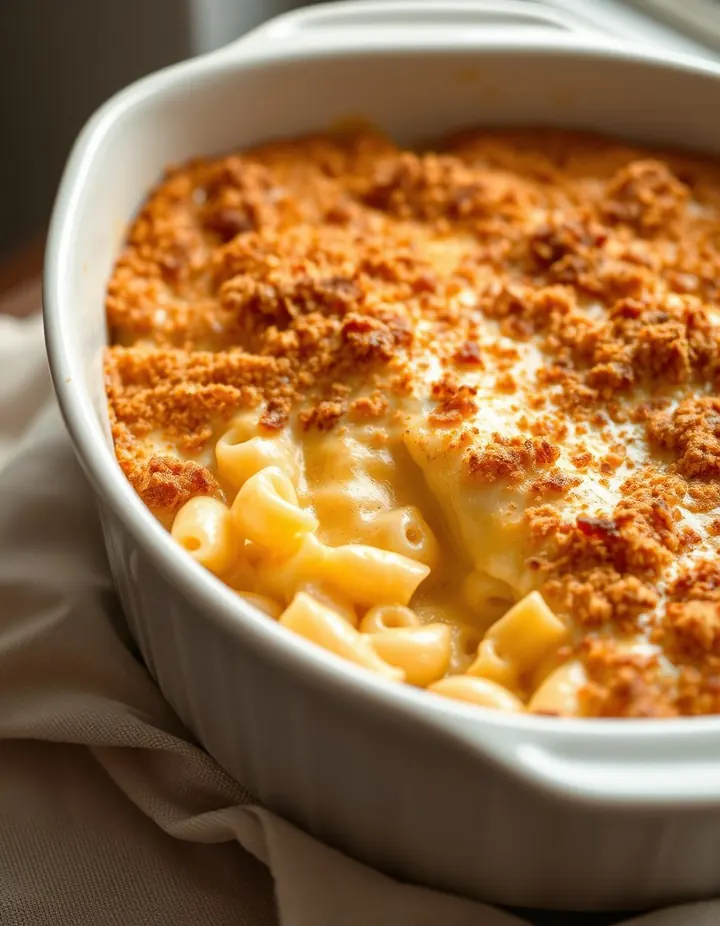 Macaroni and Cheese102 recipes
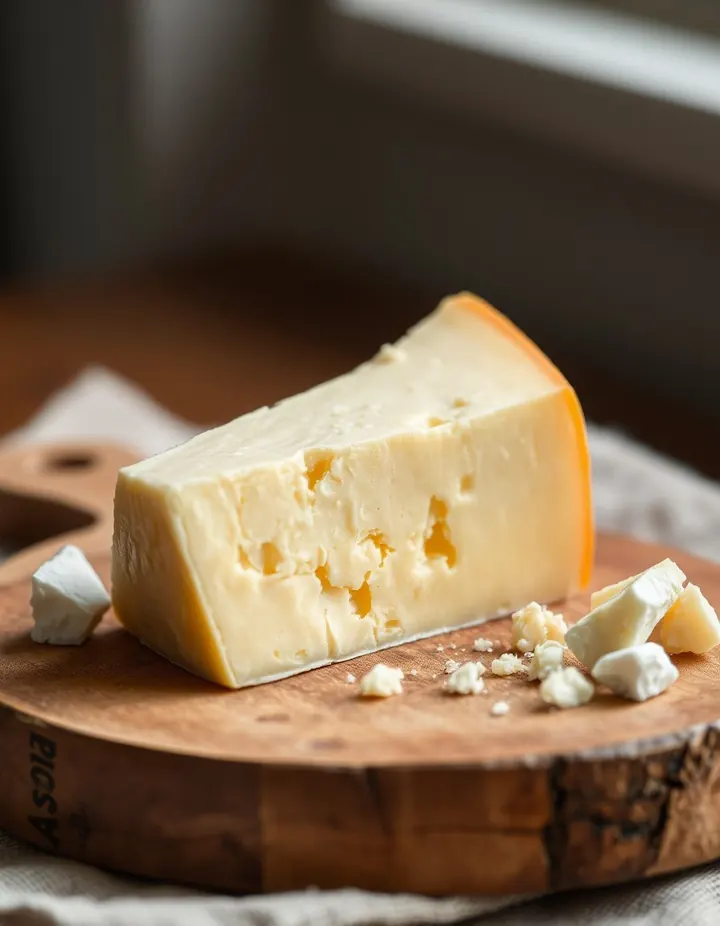 Cheese Making50 recipes
 Cheese Fritters34 recipes
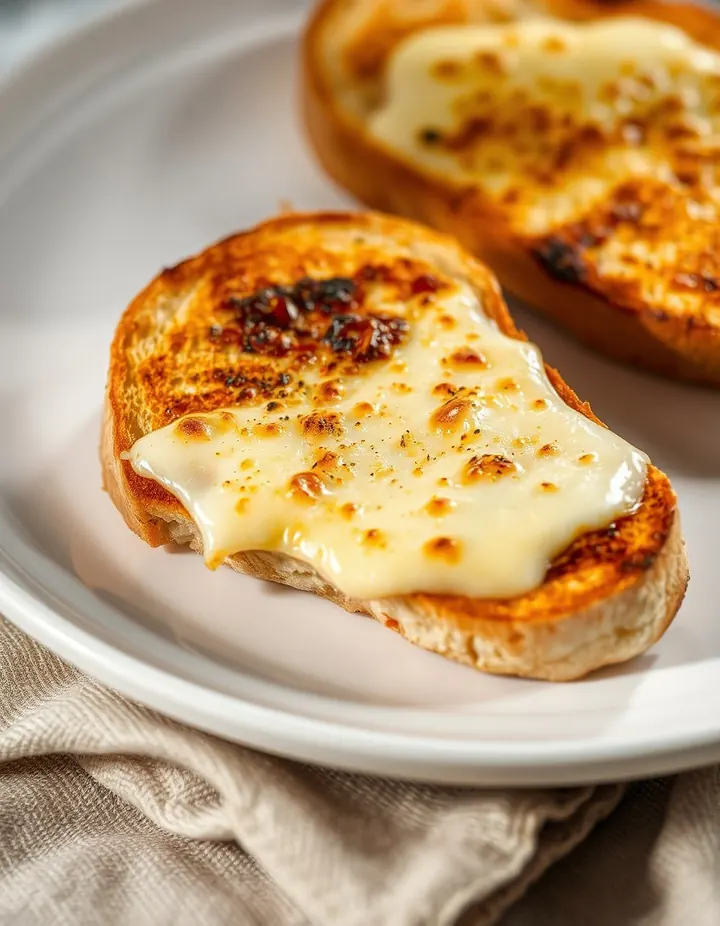 Cheese Omelette31 recipes
The free Flavor Lab newsletter: one surprising pairing a week and the molecular reason it works, in 60 seconds. No spam, unsubscribe anytime.
Prefer an account? Create a free account to save pairings and unlock the full chemistry.