Why it works: Oyster and sauce are a kitchen classic. They rank in the top 14% of all ingredient pairs, and cooks put them together in 2,233 recipes. Both carry ethanol, which smells alcoholic, ethereal. The science ↓
Oyster and Macaroni Croquettes
Ingredients
Directions
Prepare the macaroni
Cook macaroni in boiling salted water until soft.
Drain macaroni in a colander.
Pour two cups of cold water over the macaroni.
Prepare the oysters and sauce
Clean and parboil oysters, remove tough muscles, and cut soft parts into pieces.
Reserve one-half cup of oyster liquor and use it in making Thick White Sauce in place of all milk.
Make and shape the croquettes
Mix macaroni and oysters, add Thick White Sauce and seasonings.
Spread the mixture on a plate to cool.
Shape the cooled mixture into croquettes.
Dip each croquette in crumbs, then in egg, and again in crumbs.
Fry the croquettes in deep fat until golden, then drain.
Nutrition, whole recipe (rough)
Counts 4 of 7 ingredients. The other 3 aren't in our nutrition table and add nothing above, so the real totals are higher.
What these numbers assume: 4 portions
| Ingredient | Portion assumed | kcal |
|---|---|---|
| Cheese | 1 oz (28g) cheddar | 113 |
| Oyster | 6 medium (84g) | 81 |
| Lemon | juice of 1 lemon (48ml) | 12 |
| Cayenne | 1 tsp (1.8g) | 6 |
| Macaroni | not in our table | 0 |
| Sauce | not in our table | 0 |
| Mace | not in our table | 0 |
One typical portion per ingredient; the recipe's quantities are not counted. A rough guide only, not for medical or dietary planning.
Transcribed from a scanned cookbook and modernised for today's kitchens. Where the book gave no heat or time, or said "a moderate oven", the temperatures and times here may be modern equivalents rather than the book's own figures. See the original page.
Explore the science
The flavor team
The pairs that carry this dish. Each one is judged two ways: how much their aromas overlap, and how often cooks already put them together.
-
Oyster + saucetop 14% of all pairsSmell alikemoderateCooked together2,233 recipes
Shared aroma: ethanol (alcoholic, ethereal).
-
Mace + lemontop 18% of all pairsSmell alikemoderateCooked together6,315 recipes
Shared aroma: alpha-pinene (pine, turpentine).
-
Oyster + cheesetop 19% of all pairsSmell alikemoderateCooked together202 recipes
Shared aroma: 1-octen-3-one (mushroom, metallic).
-
Sauce + cheesetop 19% of all pairsSmell alikelowCooked together1,987 recipes
Shared aroma: ethanol (alcoholic, ethereal).
-
Oyster + lemontop 26% of all pairsSmell alikemoderateCooked together2,942 recipes
Shared aroma: 2-nonenal (fatty, green).
Ranks compare each pair with 20,000 random ingredient pairs on CompKitchen. How we score pairs
What each ingredient does
- Macaroni
- Forms the bulk of the croquette and gives it a soft, starchy body that holds the shape.
- Oysters
- Provide the main flavor and a tender, moist filling inside the crisp coating.
- Thick white sauce
- Binds the macaroni and oysters together and keeps the filling moist and cohesive.
- Grated cheese
- Adds savory, salty flavor and helps the filling taste rich.
The step that matters
Cooling the mixture before shaping. The filling must cool and firm up in the white sauce so the croquettes hold their shape. Shaping warm mixture makes it slump and tear, and it may fall apart when fried.
Swap the mace
How well each one fits the dish's main ingredients (oyster, sauce, lemon, cheese):
- Capersfits better
- Parsleyfits better
- Thymefits better
- Macethe original
Fit is the average pairing score against oyster, sauce, lemon, cheese. Candidates are from the same food group and used in at least 100 recipes.
“What each ingredient does” and “The step that matters” were written by Claude from this recipe’s own method and reviewed in samples by CompKitchen.
You might also like
 Lemon Sauce236 recipes
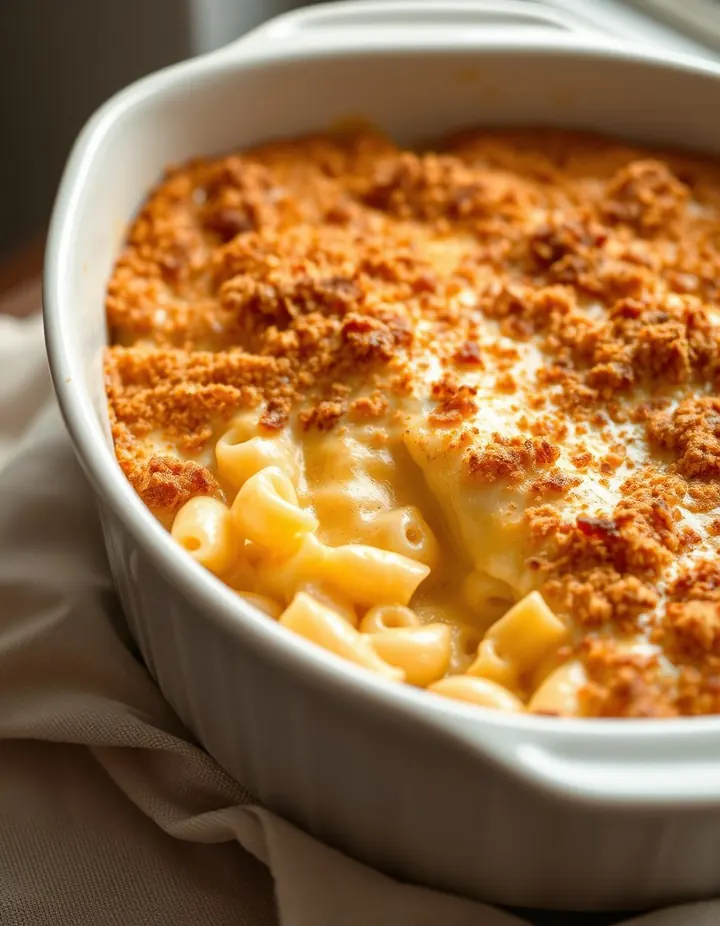 Macaroni and Cheese102 recipes
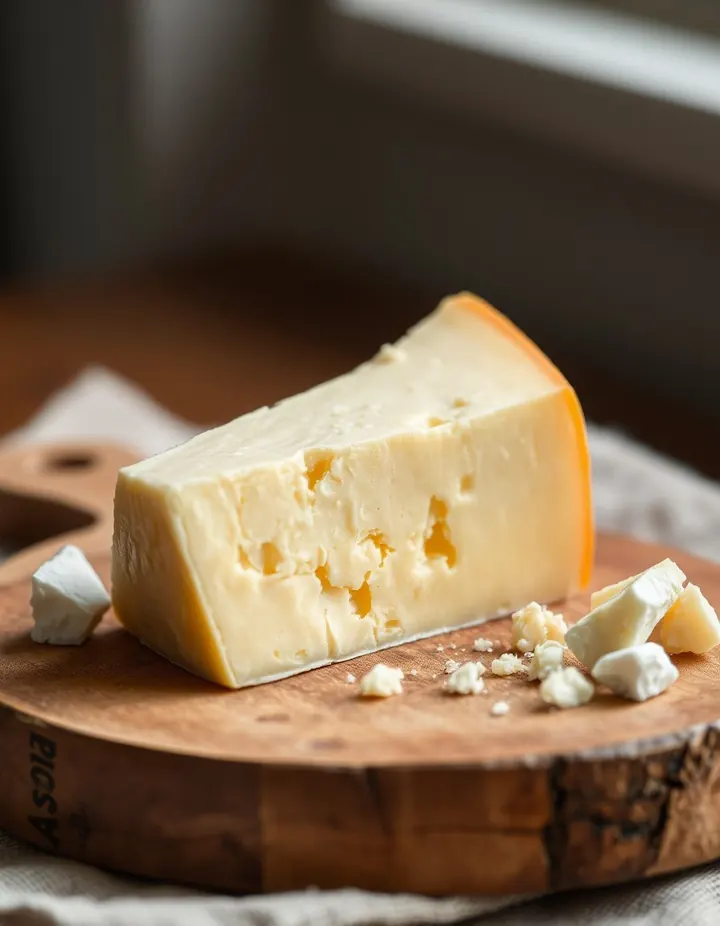 Cheese Making50 recipes
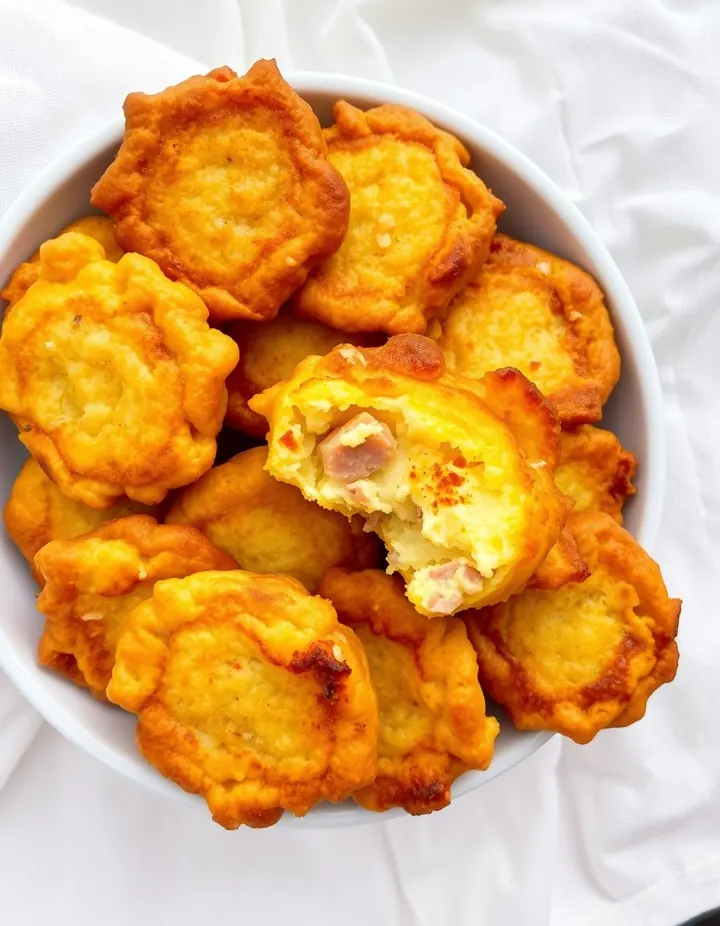 Cheese Fritters34 recipes
The free Flavor Lab newsletter: one surprising pairing a week and the molecular reason it works, in 60 seconds. No spam, unsubscribe anytime.
Prefer an account? Create a free account to save pairings and unlock the full chemistry.