Why it works: Flour and butter are a kitchen classic. They rank in the top 12% of all ingredient pairs, and cooks put them together in 124,287 recipes. Both carry isobutyraldehyde, which smells malty, green. The science ↓
Puff Paste
Ingredients
Directions
Prepare the dough
Weigh half a pound and two ounces of flour and sift it through a hair-sieve into a large deep dish.
Take out about one fourth of the flour and lay it aside on one corner of the pasteboard to roll and sprinkle with.
Wash half a pound of the best fresh butter in cold water.
Squeeze the butter hard with the hands and make it up into a round lump.
Divide the butter into four equal parts and lay them on one side of the paste-board.
Have ready a glass of cold water.
Cut one of the four pieces of butter into the pan of flour as small as possible.
Wet the flour gradually with a very little water, as too much water will make it tough.
Mix it well with the point of a large case-knife, without touching it with the hands.
When the dough gets into a lump, sprinkle the middle of the board with some of the reserved flour and turn the dough out onto it with the knife.
Rub the rolling-pin with flour and sprinkle a little on the lump of paste.
Roll the paste out thin, quickly and evenly, pressing lightly on the rolling-pin.
Laminate the butter
Stick the second piece of butter in little bits at equal distances all over the sheet of paste with the point of the knife.
Sprinkle on some flour and fold up the dough.
Flour the paste-board and rolling-pin again, throw a little flour on the paste and roll it out a second time.
Stick the third piece of butter all over it in little bits.
Throw on some flour, fold up the paste, sprinkle a little more flour on the dough and the rolling-pin, and roll it out a third time, pressing lightly.
Stick the fourth and last piece of butter over it.
Throw on a little more flour, fold up the paste and roll it out in a large round sheet.
Cut off the sides to make the sheet a square form, and lay the slips of dough upon the square sheet.
Fold it up with the small pieces of trimmings on the inside.
Score or notch it a little with the knife, lay it on a plate and set it in a cool place, but not where it can freeze.
Shape and bake
Prepare and mix the pudding or pie filling while the paste rests.
Bring out the paste, flour the board and rolling-pin, and roll it out with a short quick stroke, pressing a little harder than while putting the butter in.
Cut the sheet in half, fold up each piece and roll them out once more, separately, in round sheets the size of the plate.
Roll the sheets thinnest in the middle and thickest at the edges.
If intended for puddings, lay the sheets in buttered soup-plates and trim them evenly round the edges.
If the edges are not thick enough, cut the trimmings into slips the breadth of the rim, lay them around the edge and join them neatly.
Notch the rim handsomely with a very sharp knife.
Fill the dish with the pudding mixture and bake it in a moderate oven until the paste is a light brown colour.
Nutrition, whole recipe (rough)
Counts 2 of 4 ingredients. The other 2 aren't in our nutrition table and add nothing above, so the real totals are higher.
What these numbers assume: 2 portions
| Ingredient | Portion assumed | kcal |
|---|---|---|
| Flour | 1 cup (125g) all-purpose | 455 |
| Butter | 1 tbsp (14g) | 102 |
| Pudding | not in our table | 0 |
| Pie | not in our table | 0 |
One typical portion per ingredient; the recipe's quantities are not counted. A rough guide only, not for medical or dietary planning.
Transcribed from a scanned cookbook and modernised for today's kitchens. Where the book gave no heat or time, or said "a moderate oven", the temperatures and times here may be modern equivalents rather than the book's own figures. See the original page.
Explore the science
The flavor team
The pairs that carry this dish. Each one is judged two ways: how much their aromas overlap, and how often cooks already put them together.
-
Flour + buttertop 12% of all pairsSmell alikelowCooked together124,287 recipes
Shared aroma: isobutyraldehyde (malty, green).
Flour and butter barely smell alike, yet cooks put them together in 124,287 recipes: they work on texture and structure more than aroma.
Ranks compare each pair with 20,000 random ingredient pairs on CompKitchen. How we score pairs
What each ingredient does
- Flour
- Forms the structure of the dough; gluten develops when it is wetted and worked.
- Butter
- Stays in solid layers between sheets of dough, creating flakiness as it melts in the oven.
- Cold water (in the method)
- Binds the flour into dough while keeping the butter firm and cold.
The step that matters
Keep the butter cold and in distinct pieces. If the butter softens and blends into the dough, the layers are lost and the pastry turns tough rather than flaky. Keeping the dough cool between rolls preserves the layers.
“What each ingredient does” and “The step that matters” were written by Claude from this recipe’s own method and reviewed in samples by CompKitchen.
More puff pastry recipes
You might also like
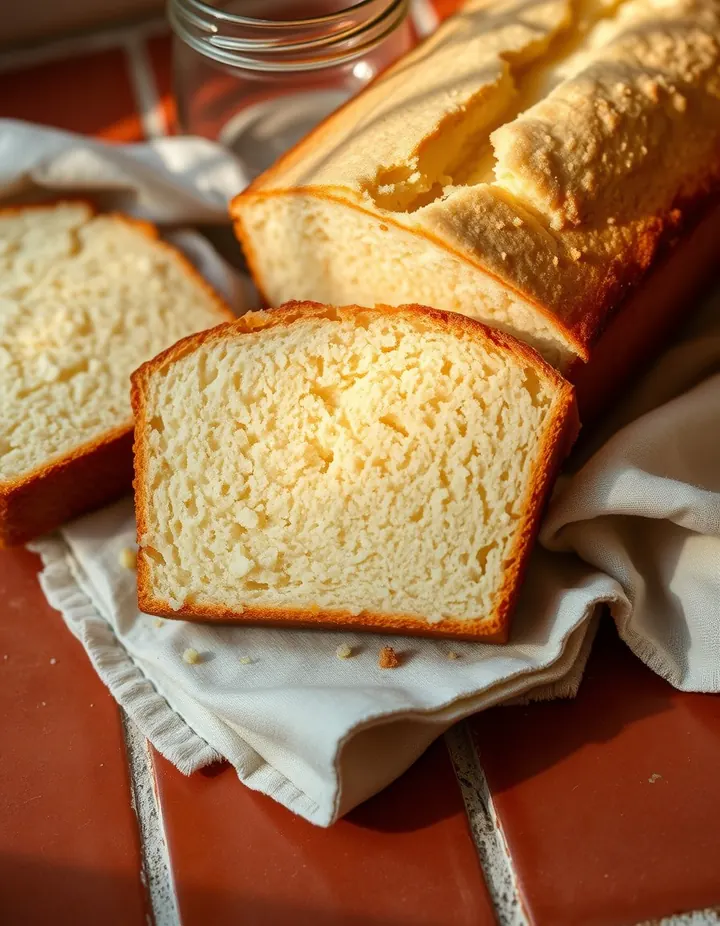 Delicate Cake246 recipes
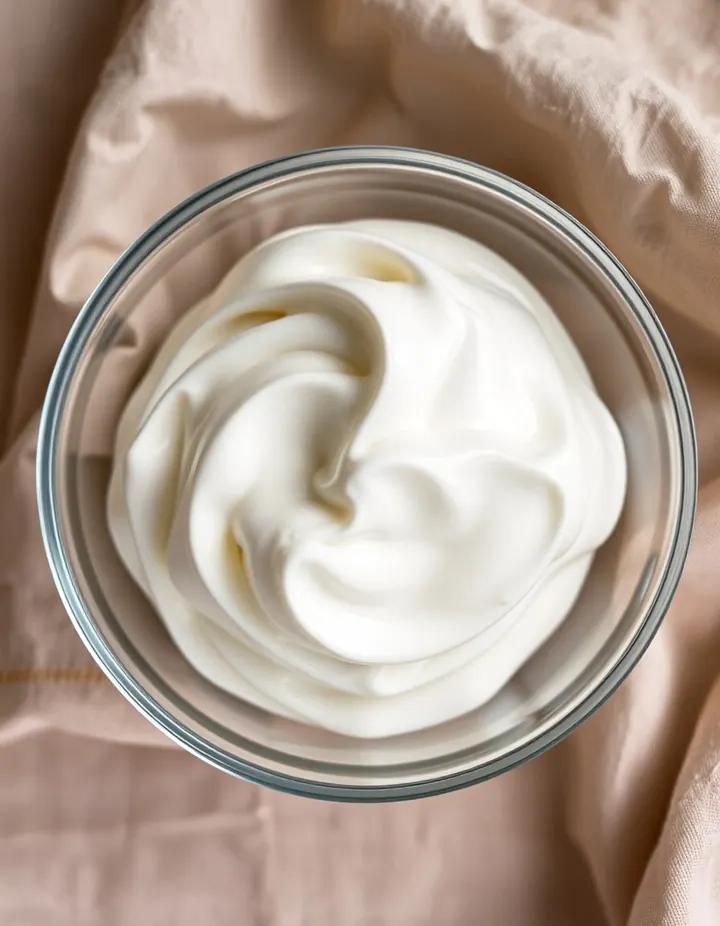 Boiled Frosting69 recipes
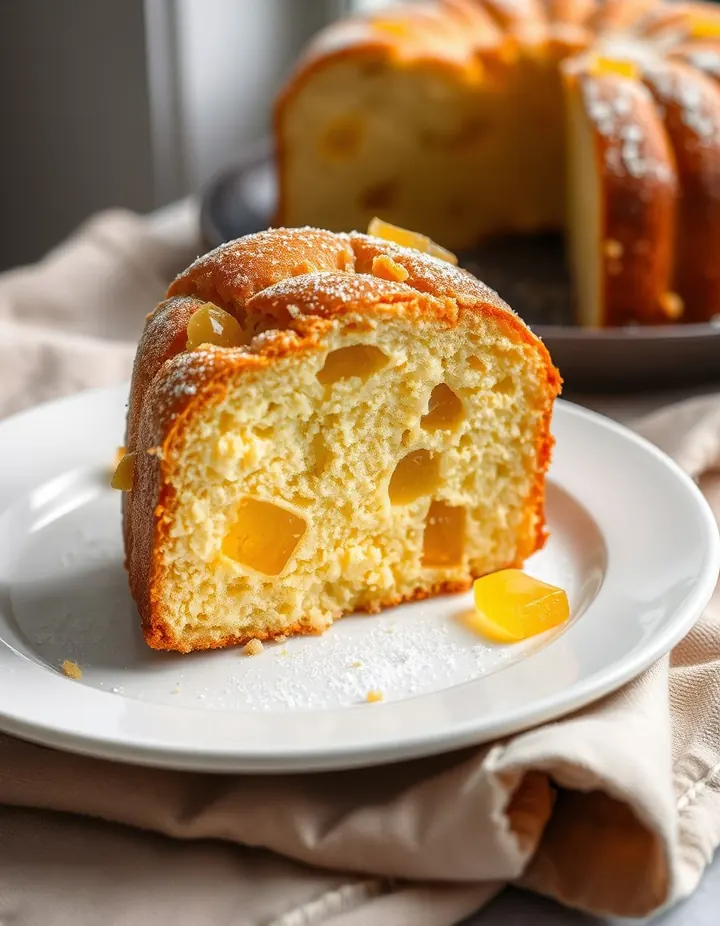 Citron Cake68 recipes
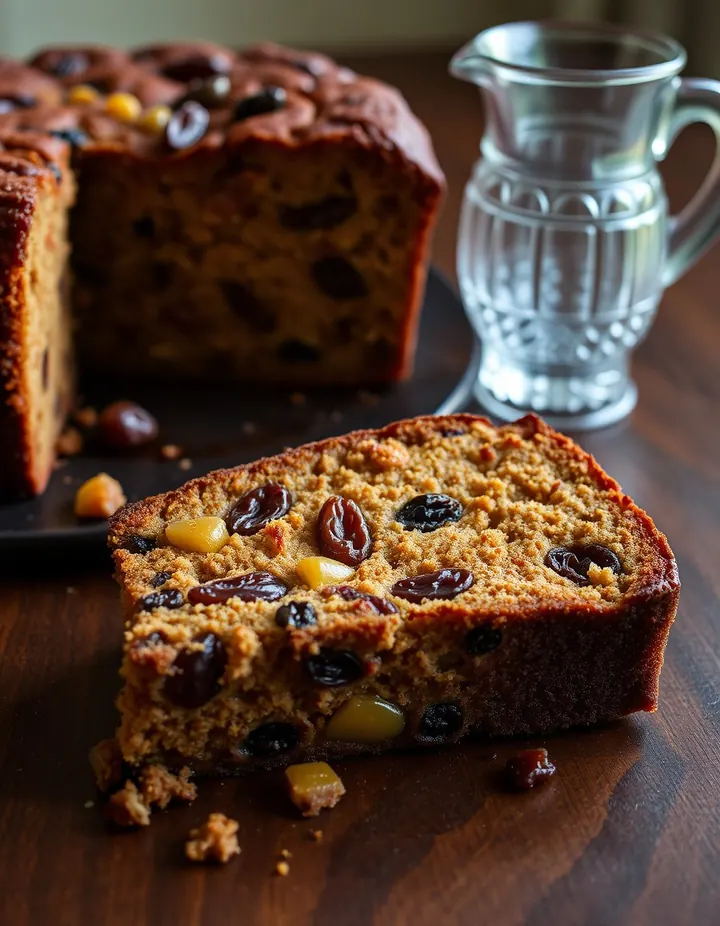 Scotch Cake63 recipes
The free Flavor Lab newsletter: one surprising pairing a week and the molecular reason it works, in 60 seconds. No spam, unsubscribe anytime.
Prefer an account? Create a free account to save pairings and unlock the full chemistry.