Why it works: White wine and lemon are a kitchen classic. They rank in the top 11% of all ingredient pairs, and cooks put them together in 3,832 recipes. Both carry myrcene, which smells balsamic, herbaceous. The science ↓
The Court-bouillons and the Marinades
Ingredients
Directions
Prepare the court-bouillon
Put into a saucepan the water, salt, and vinegar, the minced carrots and onions, and the parsley, thyme, and bay, gathered into a bunch.
Boil, allow to simmer for one hour, rub through tammy, and put aside until wanted.
Put the peppercorns into the court-bouillon only twelve minutes before straining the latter.
Boil the mixture for half an hour and strain through tammy.
Replace the white wine with excellent red wine.
Add four oz. of minced carrots.
Apportion the wine and water in the ratio of two-thirds to one-third.
Boil the mixture for the same time as the former.
Cook the fish
Immerse the fish while the liquor is cold.
Very slowly bring the liquor to a boil.
As soon as the boil is reached, move the receptacle to the side of the fire, where the cooking of the fish is completed.
Make the flour thickening
Gradually mix the flour and the water.
Set to boil, and stir the mixture while it is boiling to prevent the flour from precipitating.
Add the salt and the lemon juice, and pass through a strainer.
As soon as the boil is reached, immerse the objects to be treated.
Nutrition, whole recipe (rough)
Counts 5 of 6 ingredients. The other 1 aren't in our nutrition table and add nothing above, so the real totals are higher.
What these numbers assume: 5 portions
| Ingredient | Portion assumed | kcal |
|---|---|---|
| Milk | 1 cup (244ml) whole | 149 |
| Wine | 2 tbsp cooking wine (30ml) | 25 |
| Lemon | juice of 1 lemon (48ml) | 12 |
| Vinegar | 1 tbsp (15ml) distilled | 3 |
| Salt | 1 tsp (6g) | 0 |
| Water | not in our table | 0 |
One typical portion per ingredient; the recipe's quantities are not counted. A rough guide only, not for medical or dietary planning.
Transcribed from a scanned cookbook and modernised for today's kitchens. Where the book gave no heat or time, or said "a moderate oven", the temperatures and times here may be modern equivalents rather than the book's own figures. See the original page.
Explore the science
The flavor team
The pairs that carry this dish. Each one is judged two ways: how much their aromas overlap, and how often cooks already put them together.
-
White wine + lemontop 11% of all pairsSmell alikemoderateCooked together3,832 recipes
Shared aroma: myrcene (balsamic, herbaceous).
-
Vinegar + white winetop 11% of all pairsSmell alikemoderateCooked together1,776 recipes
Shared aroma: beta-damascenone (apple, rose).
-
Milk + lemontop 15% of all pairsSmell alikemoderateCooked together19,053 recipes
Shared aroma: 2-nonenal (fatty, green).
-
White wine + milktop 17% of all pairsSmell alikemoderateCooked together929 recipes
Shared aroma: ethyl octanoate (fruity).
-
Vinegar + lemontop 20% of all pairsSmell alikemoderateCooked together7,334 recipes
Shared aroma: acetic acid (sour, vinegar).
Ranks compare each pair with 20,000 random ingredient pairs on CompKitchen. How we score pairs
What each ingredient does
- Vinegar
- Adds acidity that helps firm the fish and gives the bouillon its sharp flavour.
- White wine
- Adds acidity and aroma to the liquor, flavouring the fish as it cooks.
- Carrots (in the method)
- Add sweetness and aroma to the liquor as they simmer.
- Lemon juice
- Adds acidity and brightness to the finished liquor.
The step that matters
Immerse the fish while the liquor is cold, then bring it up slowly. Starting cold and heating gently lets the fish cook evenly and stay firm, while a sudden hard boil can break up the flesh and toughen the outside.
Swap the lemon
How well each one fits the dish's main ingredients (vinegar, white wine, milk):
- Strawberryfits better
- Plumfits better
- Grapefits better
- Lemonthe original
Fit is the average pairing score against vinegar, white wine, milk. Candidates are from the same food group and used in at least 100 recipes.
“What each ingredient does” and “The step that matters” were written by Claude from this recipe’s own method and reviewed in samples by CompKitchen.
More court bouillon recipes
You might also like
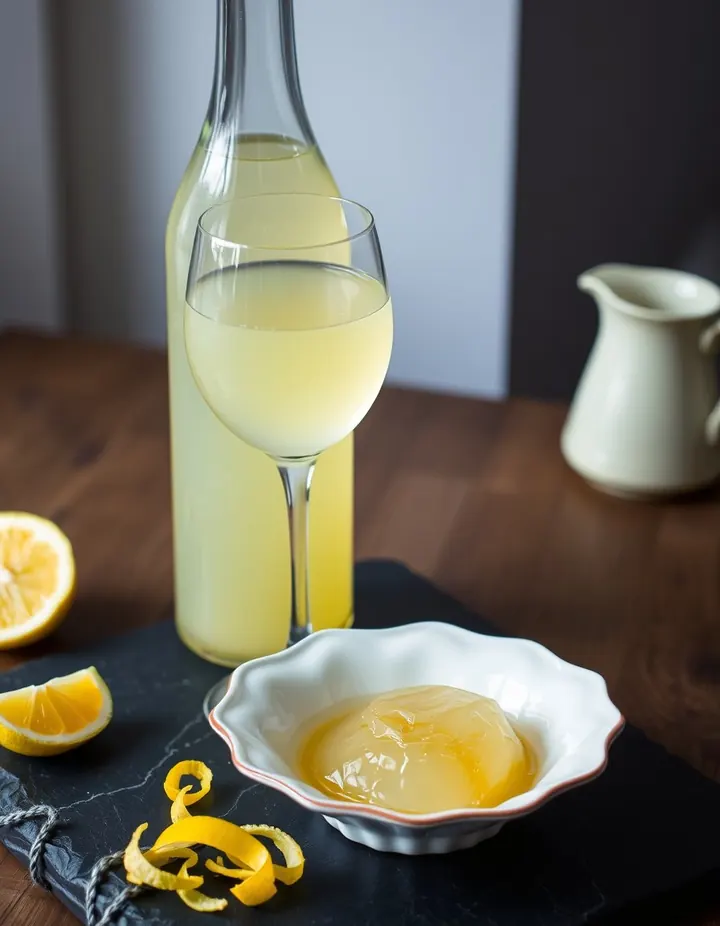 Lemon Wine31 recipes
 Raspberry Vinegar214 recipes
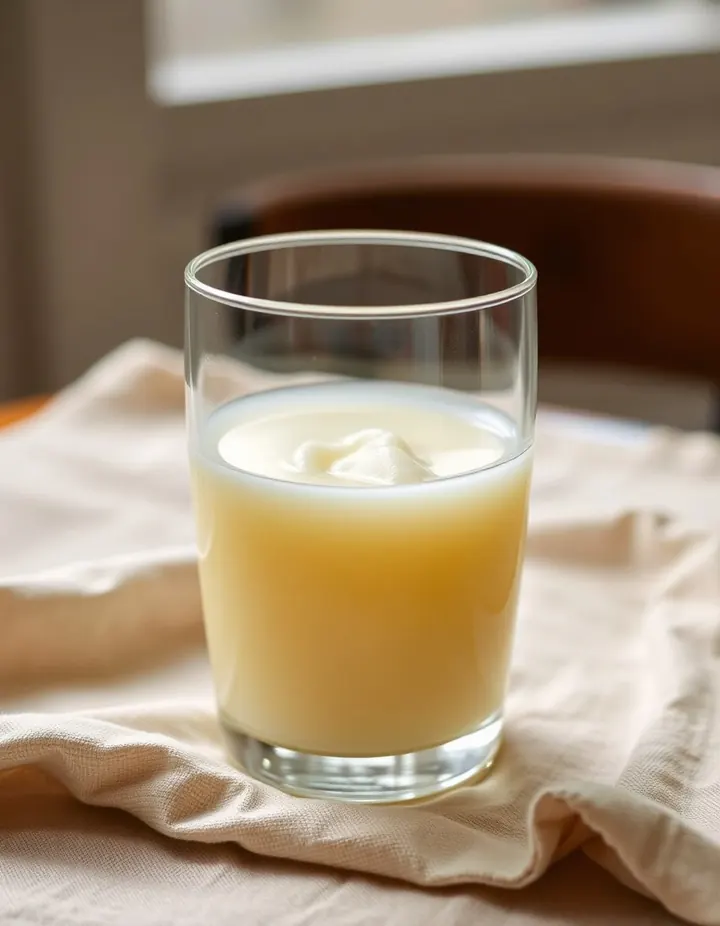 Wine Whey111 recipes
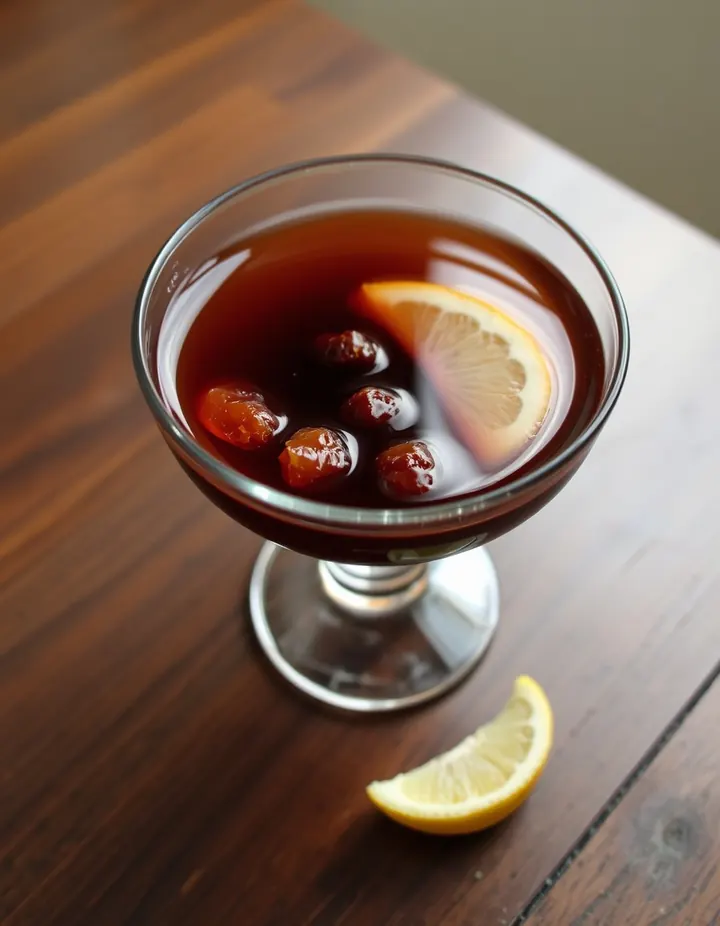 Raisin Wine64 recipes
The free Flavor Lab newsletter: one surprising pairing a week and the molecular reason it works, in 60 seconds. No spam, unsubscribe anytime.
Prefer an account? Create a free account to save pairings and unlock the full chemistry.