Why it works: Pepper and clove match in chemistry and in kitchens. They rank in the top 5% of all ingredient pairs, and cooks put them together in 17,451 recipes. Both carry ethyl octanoate, which smells fruity, wine. The science ↓
Choux Verts Pommés
Ingredients
Directions
2100—BRAISED CABBAGE
Quarter the cabbage; parboil and cool it.
Defoliate the quarters; suppress the outside leaves and the midribs of the remaining leaves; season with salt and pepper, and put the cabbage in a saucepan garnished with slices of bacon, and containing one quartered carrot, one onion stuck with a garlic clove, one faggot, two-thirds pint of consommé, and three tablespoonfuls of stock fat per two lbs. of cabbage. Cover with slices of bacon; boil, and then braise gently for two hours.
2101—CHOU A L’ANGLAISE
Plainly boil or steam the cabbage. Press all the water out of it, between two plates, and cut it into lozenges or squares.
2102—CHOU FARCI
Take a medium-sized round-headed or Savoy cabbage; parboil it; cool it, and suppress its stump. Slightly open out its leaves, and insert between them raw or cooked mince-meat, combined with chopped onion and parsley, and highly seasoned. Reconstruct the cabbage, pressing it closely together; wrap it in slices of bacon; string it, and braise it gently for three hours with stock and stock fat.
When about to serve, drain the cabbage; remove the string and the slices of bacon; set it on a dish, and cover it with a few tablespoonfuls of the braising-liquor, cleared of all grease, reduced, and thickened with some half-glaze sauce.
Send what remains of the braising-liquor separately.
N.B.—The preparation is improved if the mince-meat with which the cabbage is stuffed be combined with a quarter of its bulk of pilaff rice and the same quantity of foie-gras fat.
2103—SOU-FASSUM PROVENÇAL
Parboil and cool the cabbage as above; remove the outer large leaves, and set them on a net.
Upon this litter of cabbage leaves lay the following products, mixed:—
The inside leaves of the cabbage, chopped up and seasoned; one-half lb. of _ciseled_ and _blanched_ white of a leek; one and three-quarter lbs. of sausage-meat; six oz. of lean bacon, cut into dice and frizzled; one chopped onion, fried in butter; two chopped tomatoes; a crushed clove of garlic; three oz. of _blanched_ rice and four oz. of fresh, young peas.
Gather up the ends of the net, and close it in such a way as to reconstruct the cabbage.
Cook it in mutton broth or in ordinary stock for three and one-half or four hours.
Serve the sou-fassum plain, on a round dish.
2104—CABBAGES FOR GARNISH.—_A_
Parboil, cool, and thoroughly drain the cabbage. Remove as many large leaves as there are balls of stuffed cabbage required, and, if the leaves be too small, use two for each ball.
Chop up the remains of the cabbage; season them with salt and pepper; put a small portion of them on each of the leaves; close the latter in the shape of balls, and set them one by one in a sautépan.
Then proceed, for the cooking, as directed under “Braised Cabbage.”
2105—CABBAGES FOR GARNISH.—_B_
Prepare the cabbage as above; insert into the centre of each ball a portion of smooth pork forcemeat, the size of a pigeon’s egg, and braise in the same way.
2106—CABBAGES FOR GARNISH.—_C_
Parboil the necessary quantity of cabbage leaves, in accordance with the number of balls required. Cool them; spread them out; garnish the middle of each with one tablespoonful of pilaff rice, mixed with foie-gras purée, and close up the leaves to form small packets.
Braise as in the case of No. 2104.
2107—SCOTCH KALE (Chou frisé), SPRING CABBAGE (Choux de Printemps), BROCCOLI LEAVES, TURNIP-TOPS
These various kinds of greens are prepared in the English way, as described above, or they may be prepared with butter, like Brussels sprouts. The two above-mentioned modes of preparation are the only ones that suit them.
2108—CAULIFLOWER AND BROCCOLI (Chou-fleur et Broccoli)
Broccoli differs from cauliflower in the colour of its flower and the arrangement of the parts of the latter. In the broccoli the flower is of a deep violet. English broccoli never reach the size of those grown in the South of France.
Many do not even grow to a head, while their flowers—the size of hazel-nuts—are scattered among the interstices of the surrounding leaves.
Cauliflowers and large broccoli allow of the same treatment.
2109—CHOU-FLEUR A LA CRÈME
Cut the cauliflowers into bunches; remove the small leaves which are attached, and cook the cauliflower in salted water.
Thoroughly drain; set the bunches in a timbale, reconstructing the cauliflower in so doing, or on a dish covered with a folded napkin, and serve a cream sauce separately.
2110—CHOU-FLEUR AU GRATIN
Having well drained the cauliflower, dry it in butter for a few minutes; mould it in a bowl, and pour a few tablespoonfuls of Mornay sauce into it.
Coat the bottom of a dish with the same sauce, and turn out the cauliflower on the dish; completely cover with Mornay sauce; sprinkle with grated cheese mixed with raspings; bedew with melted butter, and set the _gratin_ to form.
2111—CHOU-FLEUR A LA MILANAISE
Set the cauliflower on a buttered dish sprinkled with grated cheese. Also sprinkle the cauliflower with cheese; add a few pieces of butter, and set the _gratin_ to form.
On taking the dish out of the oven, sprinkle the cauliflower with nut-brown butter, and serve immediately.
2112—CHOU-FLEUR A LA POLONAISE
Thoroughly drain the cauliflower, and set it on a buttered dish.
Sprinkle it with chopped, hard-boiled egg-yolks and chopped parsley, mixed. When about to serve, bedew with nut-brown butter, in which one-half oz. of fine bread-crumbs (per three oz. of butter) should have been fried.
2113—CAULIFLOWER WITH VARIOUS SAUCES
Cook the cauliflower in salted water. Drain it thoroughly, and set it in a timbale. Serve at the same time either a sauceboat of _Melted Butter_, _a Butter_, _a Hollandaise_, or _a Mousseline_ sauce, &c.
2114—PURÉE DE CHOU-FLEUR dite A LA DUBARRY
Cook the cauliflower in salted water; drain it well; rub it through tammy, and combine the resulting purée with one quarter of its bulk of somewhat firm, mashed potatoes with cream. Heat; add butter away from the fire, and dish in a timbale.
Nutrition, whole recipe (rough)
What these numbers assume: 7 portions
| Ingredient | Portion assumed | kcal |
|---|---|---|
| Rice | 1 cup cooked (158g) white | 206 |
| Onion | 1 medium (110g) | 44 |
| Carrot | 1 medium (61g) | 25 |
| Tomato | 1 medium (123g) | 22 |
| Clove | 1 tsp ground (2g) | 7 |
| Black Pepper | 1 tsp ground (2.3g) | 6 |
| Salt | 1 tsp (6g) | 0 |
One typical portion per ingredient; the recipe's quantities are not counted. A rough guide only, not for medical or dietary planning.
Transcribed from a scanned cookbook and modernised for today's kitchens. Where the book gave no heat or time, or said "a moderate oven", the temperatures and times here may be modern equivalents rather than the book's own figures. See the original page.
Explore the science
The flavor team
The pairs that carry this dish. Each one is judged two ways: how much their aromas overlap, and how often cooks already put them together.
-
Pepper + clovetop 5% of all pairsSmell alikestrongCooked together17,451 recipes
Shared aroma: ethyl octanoate (fruity, wine).
-
Carrot + clovetop 5% of all pairsSmell alikestrongCooked together5,873 recipes
Shared aroma: cuminaldehyde (Spicy, cumin).
-
Carrot + peppertop 6% of all pairsSmell alikestrongCooked together14,555 recipes
Shared aroma: 2-isopropyl-3-methoxypyrazine (earthy, pea).
-
Carrot + tomatotop 6% of all pairsSmell alikestrongCooked together3,606 recipes
Shared aroma: 2-isopropyl-3-methoxypyrazine (earthy, pea).
-
Carrot + oniontop 6% of all pairsSmell alikemoderateCooked together21,601 recipes
Shared aroma: 2-isopropyl-3-methoxypyrazine (earthy, pea).
Ranks compare each pair with 20,000 random ingredient pairs on CompKitchen. How we score pairs
Swap the onion
How well each one fits the dish's main ingredients (rice, carrot, tomato, pepper, clove):
- Capsicumfits better
- Parsnipfits better
- Eggplantfits better
- Onionthe original
Fit is the average pairing score against rice, carrot, tomato, pepper, clove. Candidates are from the same food group and used in at least 100 recipes.
You might also like
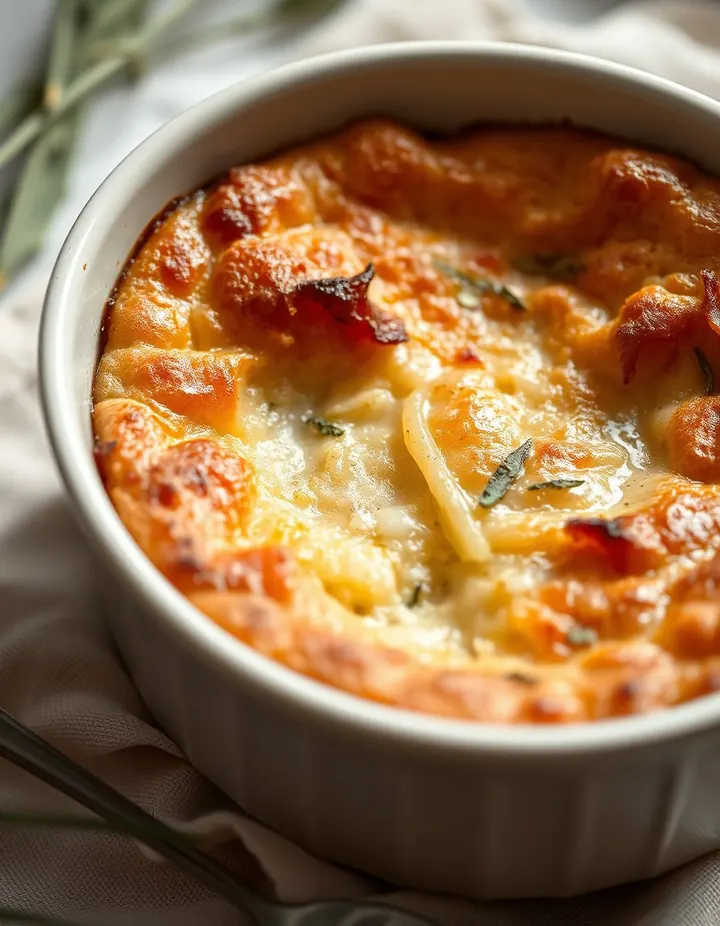 Onion Pudding9 recipes
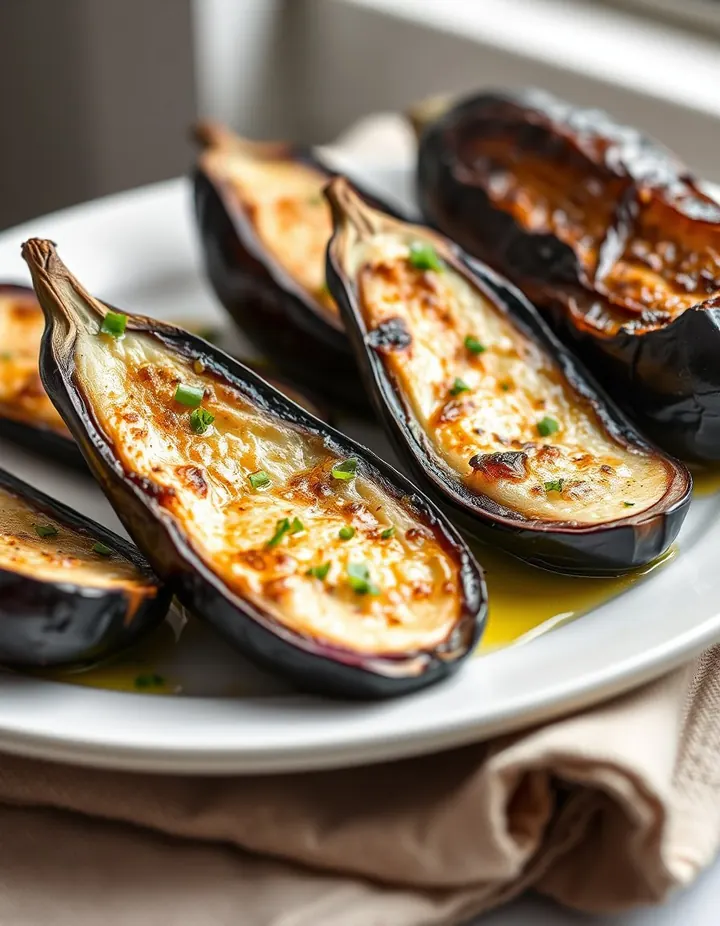 Eggplant Cakes34 recipes
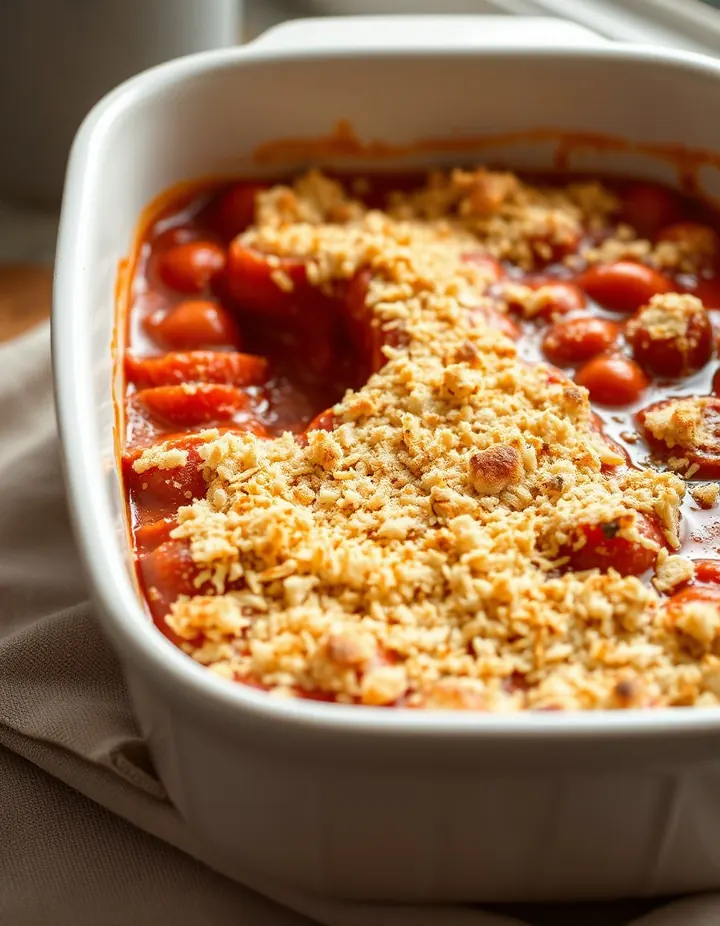 Escalloped Tomatoes (Scalloped Tomatoes)25 recipes
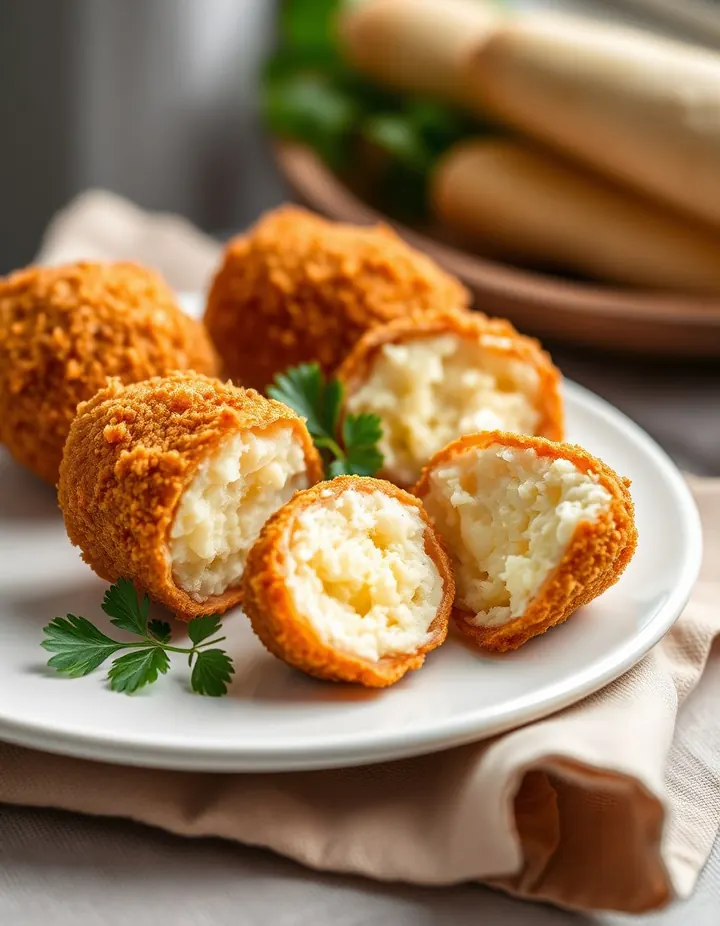 Parsnip Croquettes12 recipes
The free Flavor Lab newsletter: one surprising pairing a week and the molecular reason it works, in 60 seconds. No spam, unsubscribe anytime.
Prefer an account? Create a free account to save pairings and unlock the full chemistry.