Why it works: Syrup and sugar match in chemistry and in kitchens. They rank in the top 6% of all ingredient pairs, and cooks put them together in 5,842 recipes. Both carry ethanol, which smells alcoholic, ethereal. The science ↓
Various Iced Biscuits.
Ingredients
Directions
2820—ICED BISCUIT BÉNÉDICTINE
Mould the base with strawberry ice, the middle with Bénédictine ice, and the top with violet ice. Freeze and cut up as directed.
2821—ICED BISCUIT MARQUISE
Mould with Kirsch and strawberry ices, alternated twice.
2822—ICED BISCUIT MONT-BLANC
Mould the base with a rum-flavoured preparation, the middle with a chestnut preparation, and the top with a vanilla-flavoured preparation.
2823—ICED BISCUIT NAPOLITAINE
Mould the base with a vanilla-flavoured preparation, the middle with strawberry ice, and the top with a preparation of _pralined_ biscuit.
2824—ICED BISCUIT PRINCESSE
Mould and leave to set a biscuit-_pralined_ preparation. After having cut up the moulding, surround it with splintered and _pralined_ almonds.
Decorate the pieces with vanilla ice-cream and tangerine ice.
2825—ICED BISCUIT SIGURD
Mould the base with strawberry and the top with pistachio biscuit preparation. When the biscuit is frozen, cut it into rectangular slices, and sandwich each slice between two sugar wafers.
2826—BOMBES (Generic Recipe)
Originally, Bombes were made from an ordinary ice preparation, in spherical moulds; hence their name, which is once more justified by their arrangement, consisting as it used to do of superposed and concentric layers, the outermost of which was very thin. Nowadays, Bombes are more often moulded in the shape of shells, but the preparation from which they are made is much more delicate than it was formerly.
2827—PREPARATION FOR BOMBES
Gradually mix thirty-two egg-yolks with one quart of syrup at 28°. Put the whole on a very moderate fire, whisking it as for a _Génoise_, and, when the preparation is firm enough and taken off the fire, continue whisking it over ice until it is quite cold. Then add the selected flavour, and one and one-third quarts of stiffly-whipped cream.
2828—THE MOULDING OF BOMBES
First _clothe_ the bottom and sides of a mould with the ice preparation denoted by the name of the Bombe. This coat, which should vary in thickness in accordance with the size of the mould, should be somewhat thin, and made from an ordinary ice preparation, which is suited better than any other kind to this class of dish.
The middle is then filled with a Bombe preparation, flavoured as directed, or with a _Mousse_ preparation. The whole is then covered with a round piece of white paper, and the mould is hermetically sealed with its cover, set to freeze, and left for two or three hours in the ice.
When about to serve, take the mould out of the ice; wash it with cold water; dip it quickly in tepid water; dry it with a towel, and overturn the mould on a napkin or on a block of ice.
Nutrition, whole recipe (rough)
Counts 2 of 3 ingredients. The other 1 aren't in our nutrition table and add nothing above, so the real totals are higher.
What these numbers assume: 2 portions
| Ingredient | Portion assumed | kcal |
|---|---|---|
| Cream | 1 tbsp (15ml) heavy | 51 |
| Sugar | 1 tbsp (12.5g) granulated | 49 |
| Syrup | not in our table | 0 |
One typical portion per ingredient; the recipe's quantities are not counted. A rough guide only, not for medical or dietary planning.
Transcribed from a scanned cookbook and modernised for today's kitchens. Where the book gave no heat or time, or said "a moderate oven", the temperatures and times here may be modern equivalents rather than the book's own figures. See the original page.
Explore the science
The flavor team
The pairs that carry this dish. Each one is judged two ways: how much their aromas overlap, and how often cooks already put them together.
-
Syrup + sugartop 6% of all pairsSmell alikestrongCooked together5,842 recipes
Shared aroma: ethanol (alcoholic, ethereal).
-
Cream + sugartop 9% of all pairsSmell alikemoderateCooked together43,450 recipes
Shared aroma: 2,3-butanedione (butter, sweet).
-
Syrup + creamtop 12% of all pairsSmell alikemoderateCooked together1,964 recipes
Shared aroma: ethanol (alcoholic, ethereal).
-
Sugar + eggtop 21% of all pairsSmell alikemoderateCooked together122,807 recipes
Shared aroma: 2-nonenal (fatty, green).
-
Cream + eggtop 24% of all pairsSmell alikelowCooked together42,166 recipes
Shared aroma: acetic acid (sour, vinegar).
Cream and egg barely smell alike, yet cooks put them together in 42,166 recipes: they work on texture and structure more than aroma.
Ranks compare each pair with 20,000 random ingredient pairs on CompKitchen. How we score pairs
You might also like
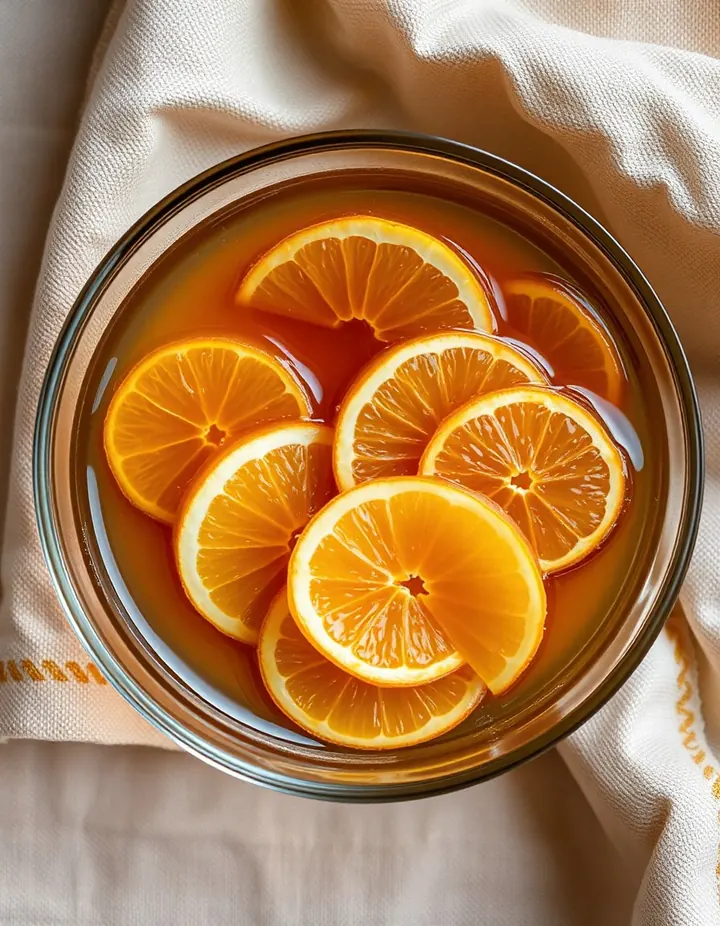 Oranges in Syrup9 recipes
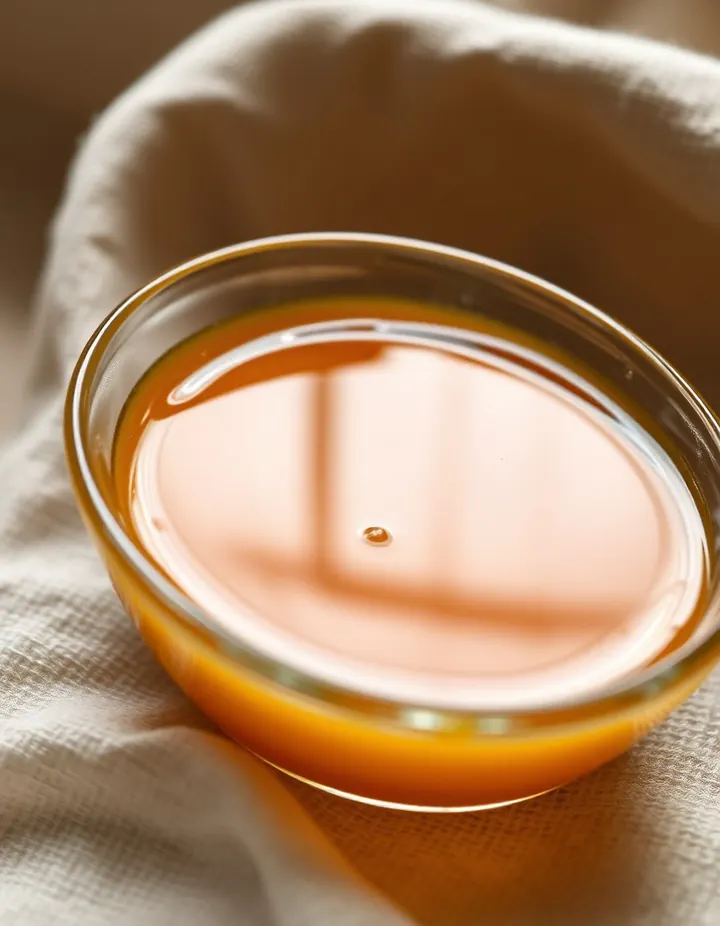 Syrup Sauce6 recipes
 White Cake431 recipes
 Pound Cake373 recipes
The free Flavor Lab newsletter: one surprising pairing a week and the molecular reason it works, in 60 seconds. No spam, unsubscribe anytime.
Prefer an account? Create a free account to save pairings and unlock the full chemistry.