Ingredients
- four ounces to the gallon
- a slice of lemon
- one dark
Directions
[In season all the year.]
A fine turbot, in full season, and well served, is one of the most delicate and delicious fish that can be sent to table; but it is generally an expensive dish, and its excellence so much depends on the manner in which it is dressed, that great care should be taken to prepare it properly. After it is emptied, wash the inside until it is perfectly cleansed, and rub _lightly_ a little fine salt over the outside, as this will render less washing and handling necessary, by at once taking off the slime; change the water several times, and when the fish is as clean as it is possible to render it, draw a sharp knife through the thickest part of the middle of the back nearly through to the bone.[45] _Never cut off the fins_ of a turbot when preparing it for table, and remember that it is the dark side of the fish in which the incision is to be made, to prevent the skin of the white side from cracking. Dissolve in a well-cleaned turbot or common fish-kettle, in as much cold spring water as will cover the fish abundantly, salt, in the proportion of four ounces to the gallon; wipe the fish-plate with a clean cloth, lay the turbot upon it with the white side upwards, place it in the kettle, bring it slowly to boil, and clear off the scum _thoroughly_ as it rises. Let the water only just simmer until the fish is done, then lift it out, drain, and slide it gently on to a very hot dish, with a hot napkin neatly arranged over the drainer. Send it immediately to table with rich lobster sauce and good plain melted butter. For a simple dinner, anchovy or shrimp sauce is sometimes served with a small turbot. Should there be any cracks in the skin of the fish, branches of curled parsley may be laid lightly over them, or part of the inside coral of a lobster, rubbed through a fine hair-sieve, may be sprinkled over the fish; but it’s better without either, when it is very white and unbroken. When garnishings are in favour, a slice of lemon and a tuft of curled parsley, may be placed alter
Footnote 45:
This is the common practice even of the _best_ cooks, but is very unscientific nevertheless. When the incision is made really into the flesh the turbot should be cooked altogether on Liebeg’s plan, for which see “The Best Mode of Boiling Fish,” in the preceding pages.
Moderate sized turbot, 15 to 20 minutes. Large, 20 to 30 minutes. Longer, if of unusual size.
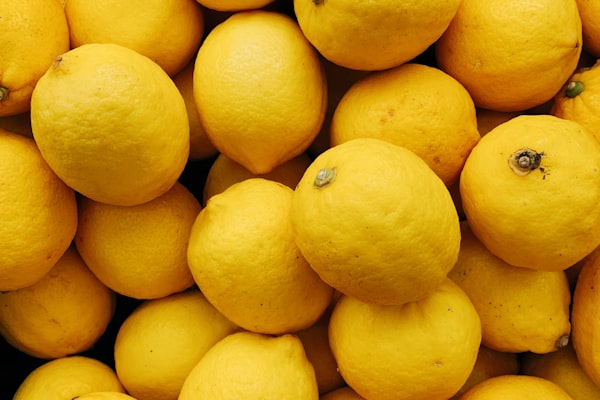
_Obs._—A lemon gently squeezed, and rubbed over the fish, is thought to preserve its whiteness. Some good cooks still put turbot into _boiling_ water, and to prevent its breaking, tie it with a cloth tightly to the fish-plate.
TURBOT À LA CRÊME.
Raise carefully from the bones the flesh of a cold turbot, and clear it from the dark skin; cut it into small squares, and put it into an exceedingly clean stewpan or saucepan; then make and pour upon it the cream sauce of Chapter V., or make as much as may be required for the fish by the same receipt, with equal proportions of milk and cream and a little additional flour. Heat the turbot slowly in the sauce, but do not allow it to boil, and send it very hot to table. The white skin of the fish is not usually added to this dish, and it is of better appearance without it; but for a family dinner, it may be left on the flesh, when it is much liked. No acid must be stirred to the sauce until the whole is ready for table.
TURBOT AU BÉCHAMEL, OR, IN BÉCHAMEL SAUCE.
Prepare the cold turbot as for the preceding receipt, but leave no portion of the skin with it. Heat it in a rich _bechamel_ sauce, and serve it in a _vol-au-vent_, or in a deep dish with a border of fried bread cut in an elegant form, and made with one dark and one light sippet, placed alternately. The surface may be covered with a half-inch layer of delicately fried bread-crumbs, perfectly well drained and dried; or they may be spread over the fish without being fried, then moistened with clarified butter, and browned with a salamander.
FOR MOULD OF COLD TURBOT WITH SHRIMP CHATNEY, see Chapter VI.