Why it works: Onion and pepper are a kitchen classic. They rank in the top 11% of all ingredient pairs, and cooks put them together in 68,474 recipes. Both carry 2-isopropyl-3-methoxypyrazine, which smells earthy, pea. The science ↓
Norman Hash
Ingredients
Directions
Make the gravy
Peel and fry two dozen button onions in butter until lightly browned.
Stir in a tablespoonful of flour.
When the mixture is a deep amber shade, pour in a wineglassful and a half of red wine and a large cup of boiling broth or water.
Add salt, pepper, or cayenne, and a little lemon-pickle catsup or lemon juice.
Boil the mixture until the onions are quite tender.
Assemble and heat
Cut and trim the remains of a roast or boiled joint of beef into small handsome slices.
Arrange the beef slices in a clean saucepan.
Pour the gravy and onions over the beef.
Let the hash stand for a while to absorb the sauce.
Place the hash near the fire and heat until thoroughly hot.
Serve immediately, without allowing it to boil.
Nutrition, whole recipe (rough)
What these numbers assume: 6 portions
| Ingredient | Portion assumed | kcal |
|---|---|---|
| Flour | 1 cup (125g) all-purpose | 455 |
| Butter | 1 tbsp (14g) | 102 |
| Onion | 1 medium (110g) | 44 |
| Black Pepper | 1 tsp ground (2.3g) | 6 |
| Cayenne | 1 tsp (1.8g) | 6 |
| Salt | 1 tsp (6g) | 0 |
One typical portion per ingredient; the recipe's quantities are not counted. A rough guide only, not for medical or dietary planning.
Transcribed from a scanned cookbook and modernised for today's kitchens. Where the book gave no heat or time, or said "a moderate oven", the temperatures and times here may be modern equivalents rather than the book's own figures. See the original page.
Explore the science
The flavor team
The pairs that carry this dish. Each one is judged two ways: how much their aromas overlap, and how often cooks already put them together.
-
Onion + peppertop 11% of all pairsSmell alikemoderateCooked together68,474 recipes
Shared aroma: 2-isopropyl-3-methoxypyrazine (earthy, pea).
-
Flour + buttertop 12% of all pairsSmell alikelowCooked together124,287 recipes
Shared aroma: isobutyraldehyde (malty, green).
-
Onion + buttertop 15% of all pairsSmell alikemoderateCooked together42,912 recipes
Shared aroma: decanal (soap, orange peel).
-
Flour + oniontop 17% of all pairsSmell alikemoderateCooked together32,460 recipes
Shared aroma: isobutyraldehyde (malty, green).
-
Flour + peppertop 19% of all pairsSmell alikemoderateCooked together50,459 recipes
Shared aroma: isobutyraldehyde (malty, green).
Flour and butter barely smell alike, yet cooks put them together in 124,287 recipes: they work on texture and structure more than aroma.
Ranks compare each pair with 20,000 random ingredient pairs on CompKitchen. How we score pairs
What each ingredient does
- Button onions
- Soften and sweeten as they cook, adding body to the gravy.
- Flour
- Thickens the butter and onion mixture, giving the gravy body as it browns.
- Red wine (in the method)
- Adds acidity and depth of flavour to the gravy.
- Boiling broth
- Forms the liquid base of the gravy, carrying flavour to the beef.
- Beef (in the method)
- Provides the main meat, which absorbs the gravy as it stands.
The step that matters
Serve immediately, without allowing it to boil. Boiling a gravy with cooked meat toughens the beef proteins and can cause the sauce to break or thicken unevenly, so gentle heat keeps the meat tender and the sauce smooth.
Swap the onion
How well each one fits the dish's main ingredients (flour, butter, pepper):
- Shallotfits better
- Chivefits better
- Capsicumfits better
- Onionthe original
Fit is the average pairing score against flour, butter, pepper. Candidates are from the same food group and used in at least 100 recipes.
“What each ingredient does” and “The step that matters” were written by Claude from this recipe’s own method and reviewed in samples by CompKitchen.
You might also like
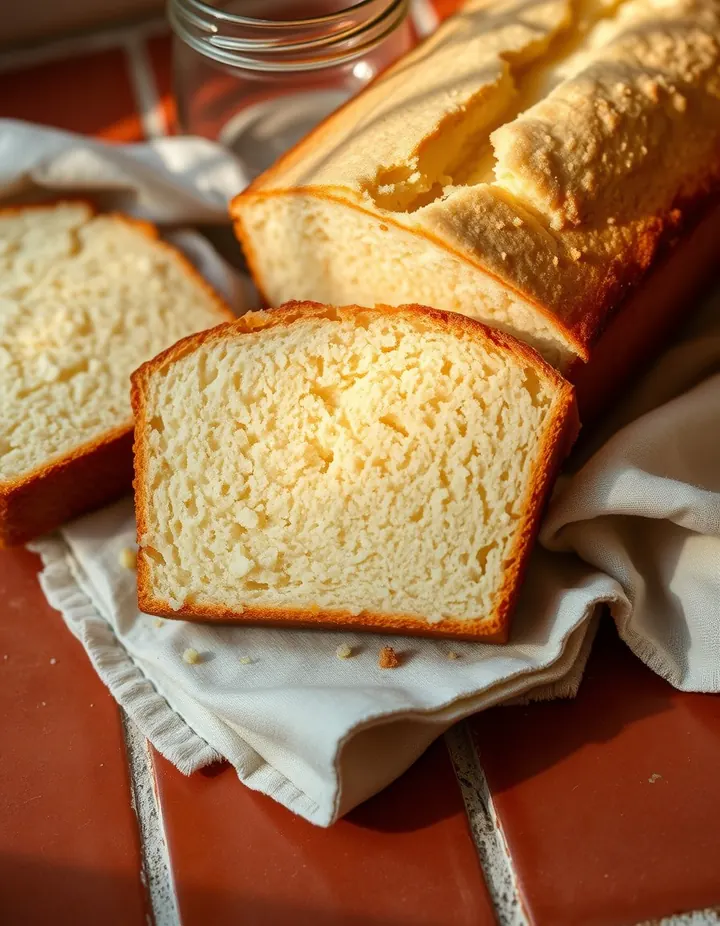 Delicate Cake246 recipes
 Boiled Frosting69 recipes
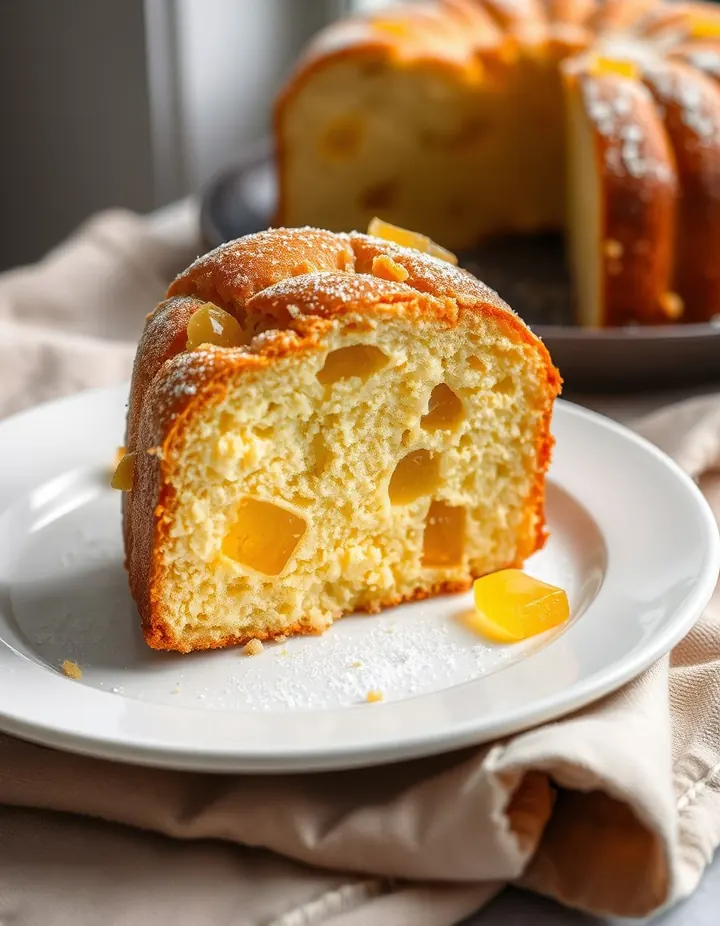 Citron Cake68 recipes
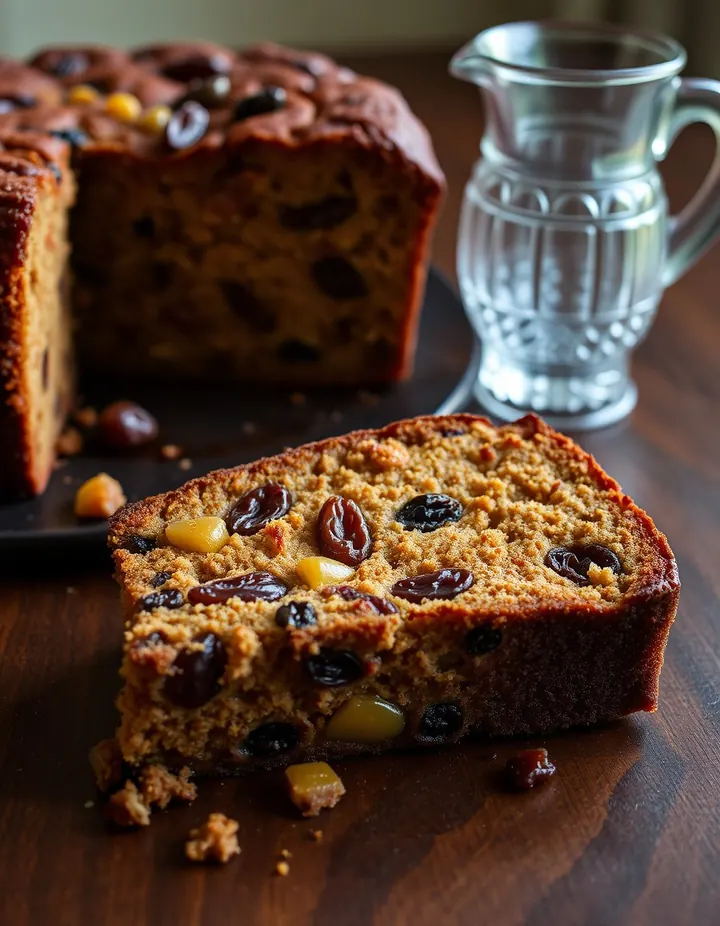 Scotch Cake63 recipes
The free Flavor Lab newsletter: one surprising pairing a week and the molecular reason it works, in 60 seconds. No spam, unsubscribe anytime.
Prefer an account? Create a free account to save pairings and unlock the full chemistry.