Why it works: Butter and flour are a kitchen classic. They rank in the top 12% of all ingredient pairs, and cooks put them together in 124,287 recipes. Both carry isobutyraldehyde, which smells malty, green. The science ↓
To Boil Sea-kale
Ingredients
Directions
Prepare and boil
Wash, trim, and tie the kale in bunches.
Throw it into plenty of boiling water with some salt in it.
About twenty minutes will boil it, rather less for persons who like it crisp.
When it is perfectly tender, lift it out.
Drain and serve
Drain it well from the water.
Send it to table with good melted butter.
When fashion is not particularly regarded, serve it upon a toast like asparagus.
Nutrition, whole recipe (rough)
What these numbers assume: 2 portions
| Ingredient | Portion assumed | kcal |
|---|---|---|
| Flour | 1 cup (125g) all-purpose | 455 |
| Butter | 1 tbsp (14g) | 102 |
One typical portion per ingredient; the recipe's quantities are not counted. A rough guide only, not for medical or dietary planning.
Transcribed from a scanned cookbook and modernised for today's kitchens. Where the book gave no heat or time, or said "a moderate oven", the temperatures and times here may be modern equivalents rather than the book's own figures. See the original page.
Explore the science
The flavor team
The pairs that carry this dish. Each one is judged two ways: how much their aromas overlap, and how often cooks already put them together.
-
Butter + flourtop 12% of all pairsSmell alikelowCooked together124,287 recipes
Shared aroma: isobutyraldehyde (malty, green).
Butter and flour barely smell alike, yet cooks put them together in 124,287 recipes: they work on texture and structure more than aroma.
Ranks compare each pair with 20,000 random ingredient pairs on CompKitchen. How we score pairs
What each ingredient does
- Sea kale (in the method)
- Is the vegetable being cooked, so its tenderness determines when the dish is done.
- Butter
- Melted butter served alongside adds richness and moisture to the mild kale.
The step that matters
Lift the kale when it is perfectly tender. Boiling past tender turns the kale soft and waterlogged, while stopping early leaves it fibrous. Timing by tenderness rather than the clock suits the variation in stalk thickness and the preferred crispness.
“What each ingredient does” and “The step that matters” were written by Claude from this recipe’s own method and reviewed in samples by CompKitchen.
You might also like
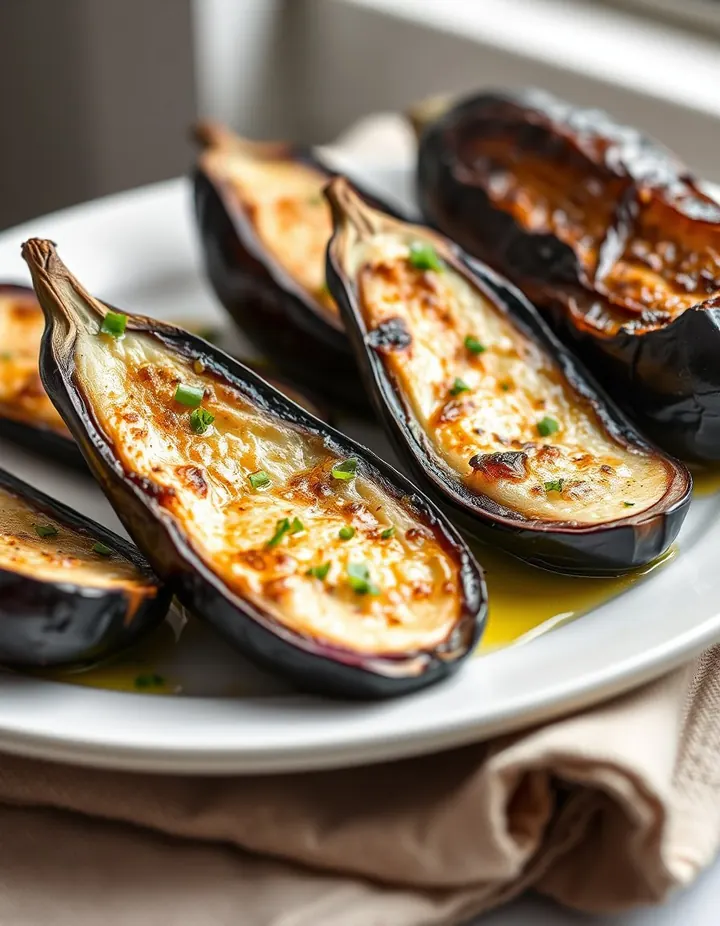 Eggplant Cakes34 recipes
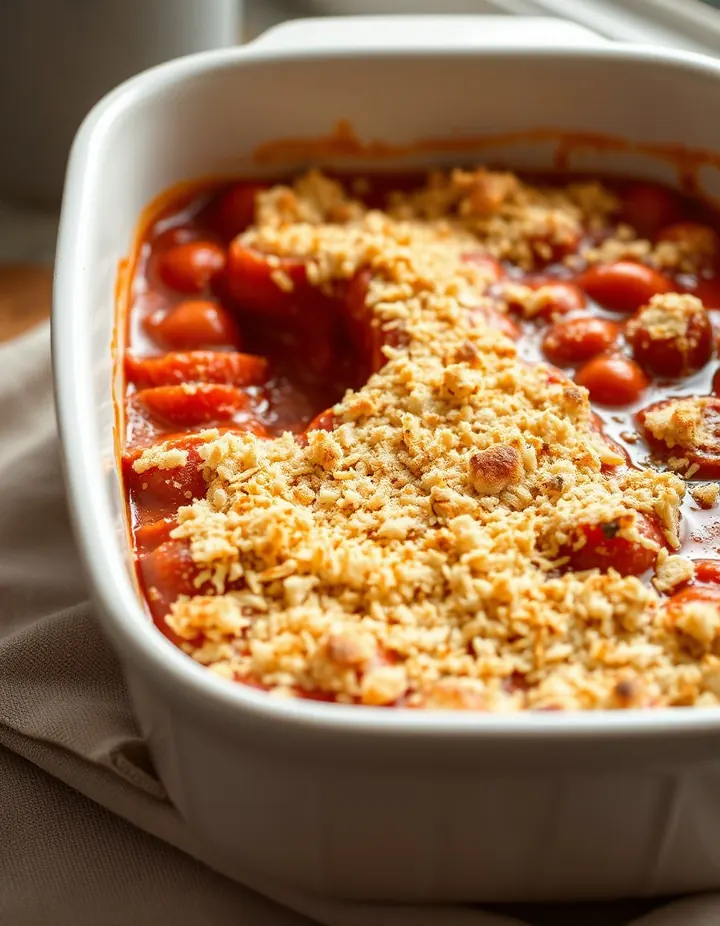 Escalloped Tomatoes (Scalloped Tomatoes)25 recipes
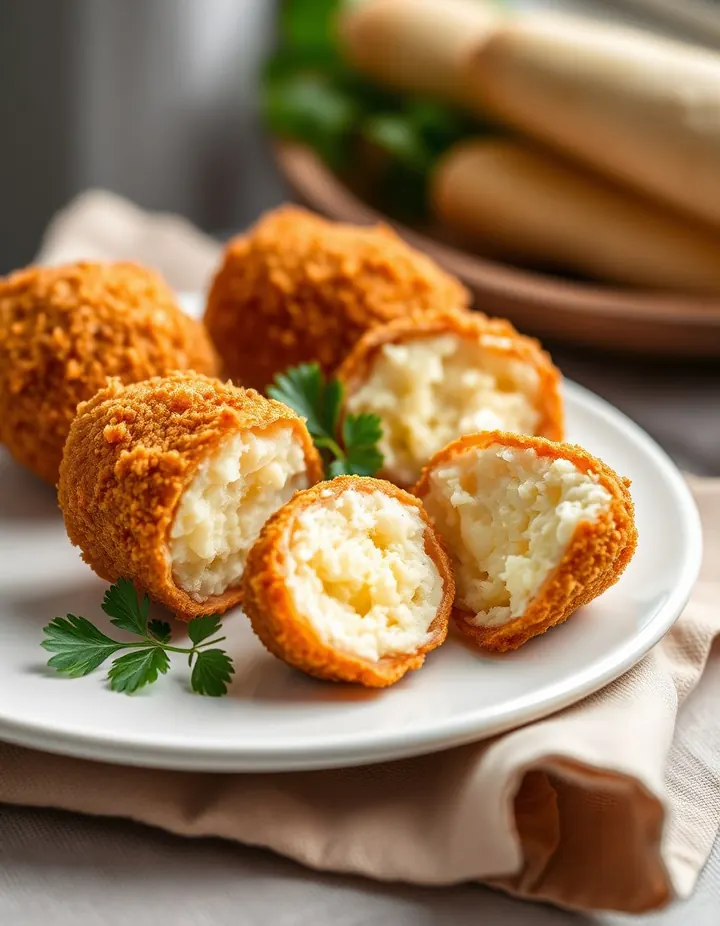 Parsnip Croquettes12 recipes
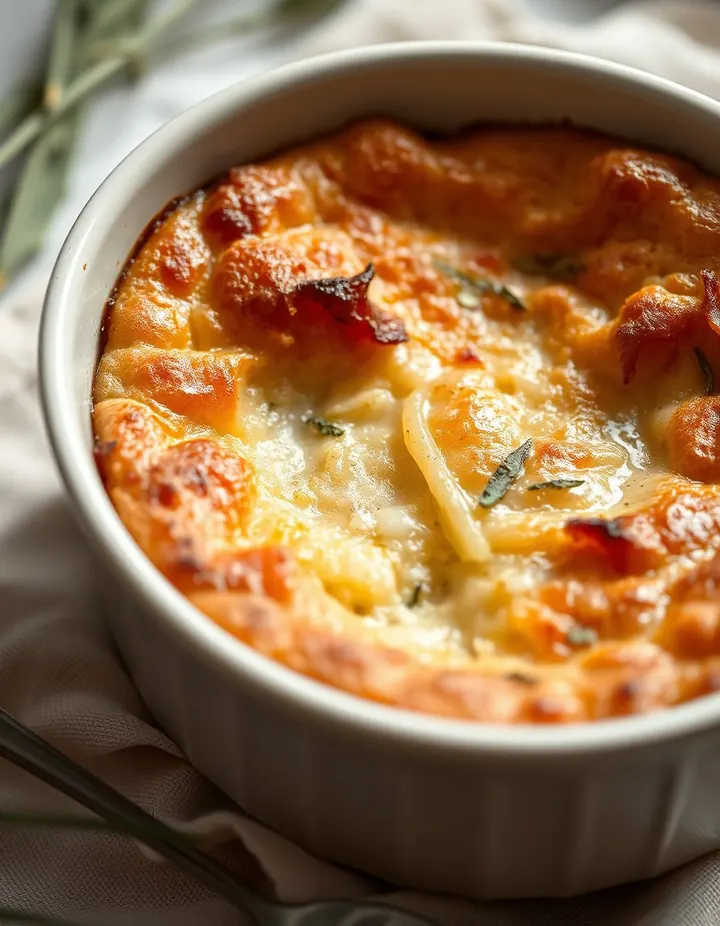 Onion Pudding9 recipes
The free Flavor Lab newsletter: one surprising pairing a week and the molecular reason it works, in 60 seconds. No spam, unsubscribe anytime.
Prefer an account? Create a free account to save pairings and unlock the full chemistry.