Genuine Scotch Marmalade
Ingredients
Directions
Prepare and soak
Take some bitter oranges and double their weight in sugar.
Cut the rind of the fruit into quarters and peel it off.
If the marmalade is not wanted very thick, take off some of the spongy white skin inside the rind.
Cut the rind into thin chips, about half an inch long.
Divide the pulp into small bits, removing carefully the seeds, which may be steeped in part of the water that is to make the marmalade, and which must be in the proportion of a quart to a pound of fruit.
Put the chips and pulp into a deep earthen dish, and pour the water boiling over them.
Let them remain for twelve or fourteen hours.
Cook and finish
Turn the whole into the preserving pan, and boil it until the chips are perfectly tender.
When they are so, add by degrees the sugar (which should be previously pounded), and boil it until it jellies.
Pour the water in which the seeds have been steeped into a hair-sieve, and work the seeds well in it with the back of a spoon.
Wash off the seeds by pouring their own liquor through the sieve in small portions over them.
Add this to the fruit when it is first set on the fire.
Use 3 lbs oranges, 3 quarts water, 6 lbs sugar.
Transcribed from a scanned cookbook and modernised for today's kitchens. Where the book gave no heat or time, or said "a moderate oven", the temperatures and times here may be modern equivalents rather than the book's own figures. See the original page.
Explore the science
What each ingredient does
- Bitter oranges (in the method)
- Peel and seeds supply pectin, which helps the marmalade set, and the rind gives bitterness and aroma.
- Sugar (in the method)
- Sweetens the marmalade and, with the fruit's pectin and acid, helps it jell.
The step that matters
Boil until the chips are perfectly tender before adding the sugar. Rind softens slowly, and sugar added too early can toughen it. Cooking the chips fully first makes them tender to eat, and the sugar then concentrates the liquid until it sets.
“What each ingredient does” and “The step that matters” were written by Claude from this recipe’s own method and reviewed in samples by CompKitchen.
You might also like
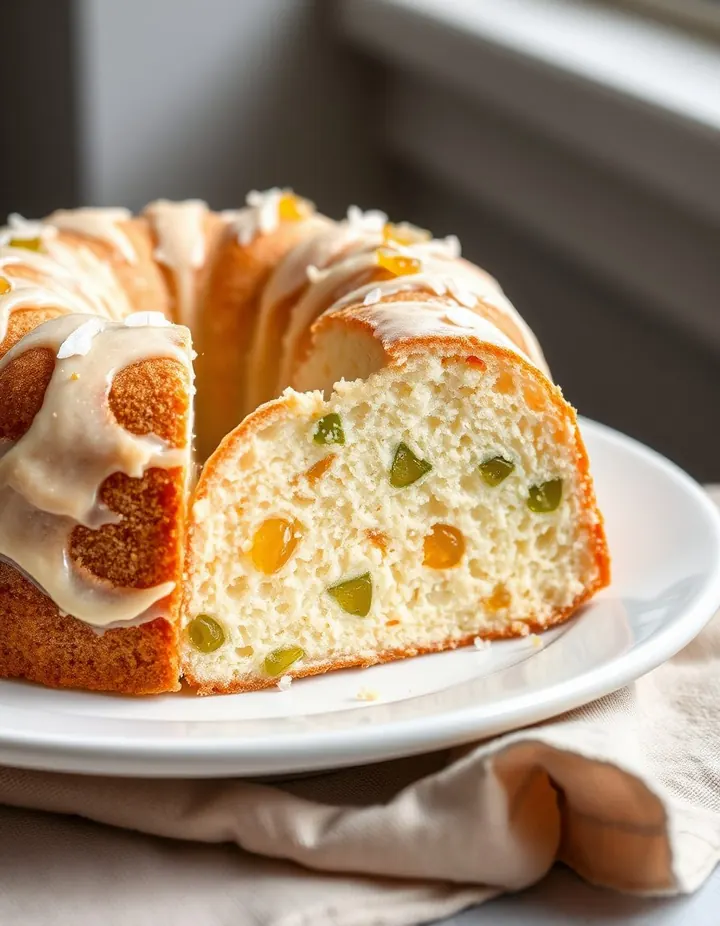 Fruit Cake129 recipes
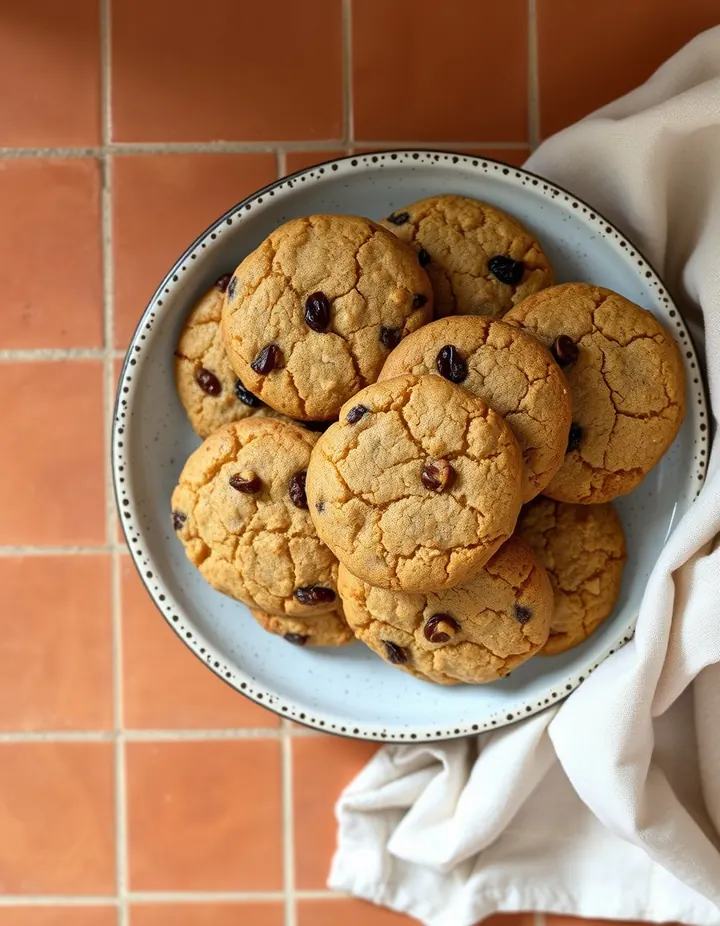 Fruit Cookies80 recipes
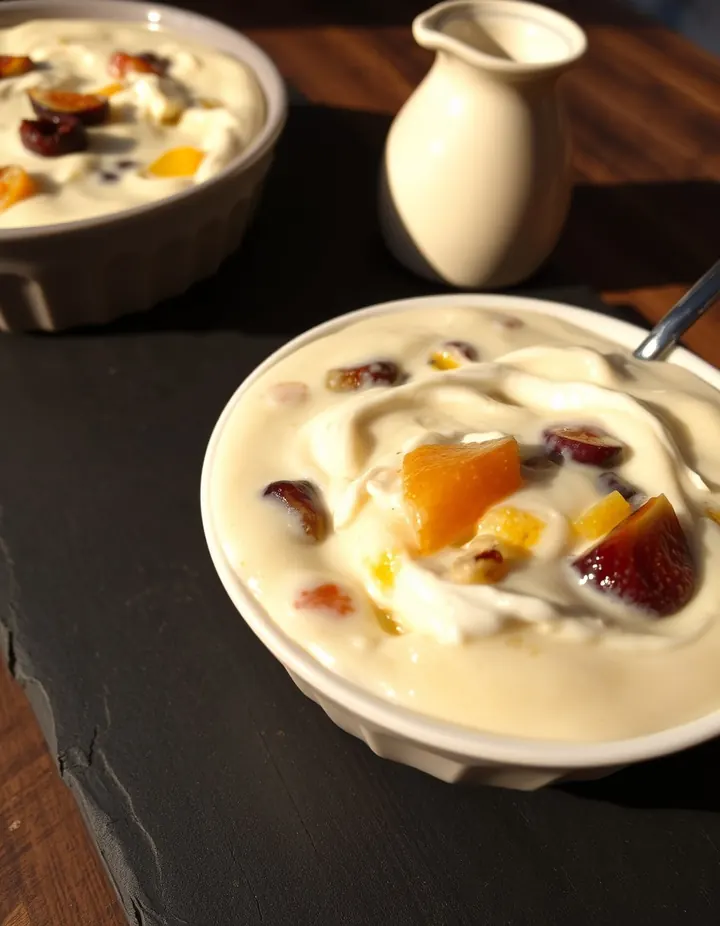 Fruit Cream36 recipes
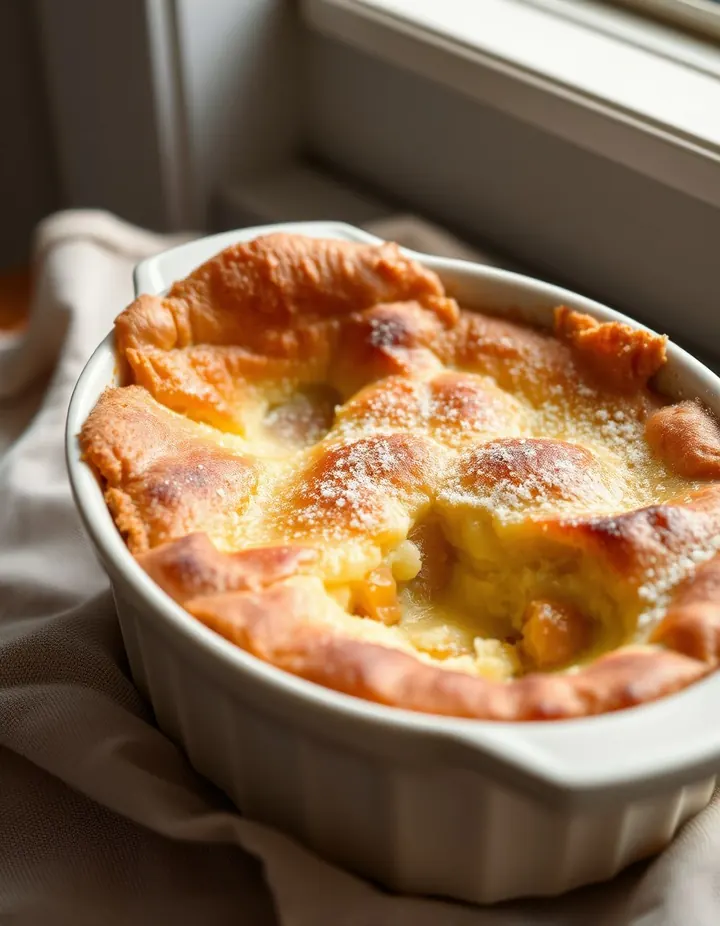 Apple Pudding20 recipes
The free Flavor Lab newsletter: one surprising pairing a week and the molecular reason it works, in 60 seconds. No spam, unsubscribe anytime.
Prefer an account? Create a free account to save pairings and unlock the full chemistry.