Why it works: Lemon and orange match in chemistry and in kitchens. They rank in the top 1% of all ingredient pairs, and cooks put them together in 10,634 recipes. Both carry 3-hexenal, which smells apple, fruity. The science ↓
Rhine Wine Cup
Ingredients
Directions
Mix the base
Combine one quart of Rhine wine, one wineglass of curaçao, and one wineglass of gin in a large-mouthed pitcher.
Add one large piece of ice to the mixture.
Add the whites of three eggs, the rind of one or two lemons, and the juice of eight lemons and three oranges.
Add three pints of water and 1½ pounds of sugar, adjusting to taste.
Finish and serve
Just before serving, add two short squirts from a siphon of plain soda.
Optionally leave a small piece of cucumber rind in the mixture for a few minutes only.
Serve in Apollinaris glasses with a few sprigs of mint.
Nutrition, whole recipe (rough)
Counts 4 of 5 ingredients. The other 1 aren't in our nutrition table and add nothing above, so the real totals are higher.
What these numbers assume: 4 portions
| Ingredient | Portion assumed | kcal |
|---|---|---|
| Egg | 1 large egg (50g) | 78 |
| Orange | 1 medium (131g) | 62 |
| Cucumber | 1/2 cup sliced (52g) | 16 |
| Lemon | juice of 1 lemon (48ml) | 12 |
| Gin | not in our table | 0 |
One typical portion per ingredient; the recipe's quantities are not counted. A rough guide only, not for medical or dietary planning.
Transcribed from a scanned cookbook and modernised for today's kitchens. Where the book gave no heat or time, or said "a moderate oven", the temperatures and times here may be modern equivalents rather than the book's own figures. See the original page.
Explore the science
The flavor team
The pairs that carry this dish. Each one is judged two ways: how much their aromas overlap, and how often cooks already put them together.
-
Lemon + orangetop 1% of all pairsSmell alikestrongCooked together10,634 recipes
Shared aroma: 3-hexenal (apple, fruity).
-
Cucumber + lemontop 9% of all pairsSmell alikestrongCooked together2,067 recipes
Shared aroma: trans-2-nonenal (cardboard, fatty).
-
Cucumber + orangetop 15% of all pairsSmell alikemoderateCooked together325 recipes
Shared aroma: decanal (soap, orange peel).
-
Gin + cucumbertop 16% of all pairsSmell alikelowCooked together23 recipes
Shared aroma: nonanal (fat, citrus).
-
Lemon + eggtop 19% of all pairsSmell alikelowCooked together44,316 recipes
Shared aroma: (e,e)-2,4-decadienal (fatty, deep fried).
Lemon and egg barely smell alike, yet cooks put them together in 44,316 recipes: they work on texture and structure more than aroma.
Ranks compare each pair with 20,000 random ingredient pairs on CompKitchen. How we score pairs
What each ingredient does
- Rhine wine
- Forms the main liquid base and gives the punch its body and mild, fruity character.
- Gin
- Adds alcoholic strength and a dry botanical aroma to the punch.
- Curaçao
- Adds orange aroma and sweetness that complements the citrus juices.
- Eggs
- Egg whites add a light froth and a silky, smoother texture to the punch.
- Lemons
- Lemon juice supplies acidity that brightens the drink and balances the sugar.
- Sugar (in the method)
- Sweetens the punch and offsets the sharpness of the citrus juices.
The step that matters
Add the soda just before serving. Carbonation escapes quickly from a liquid, so adding soda early leaves the punch flat. Adding it last keeps the fizz that makes the drink lively.
“What each ingredient does” and “The step that matters” were written by Claude from this recipe’s own method and reviewed in samples by CompKitchen.
You might also like
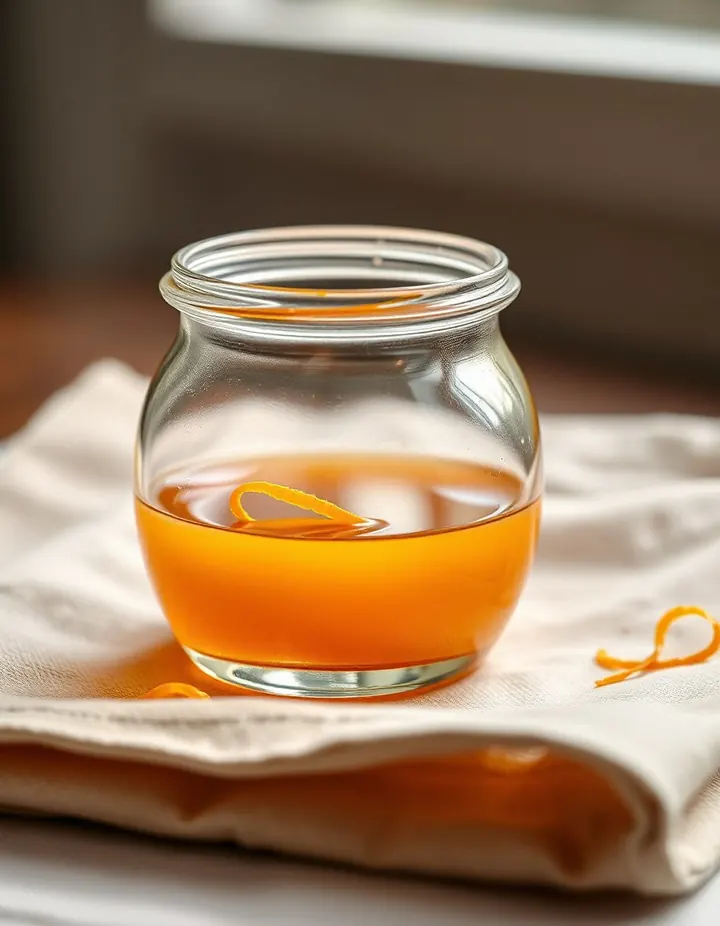 Orange Syrup47 recipes
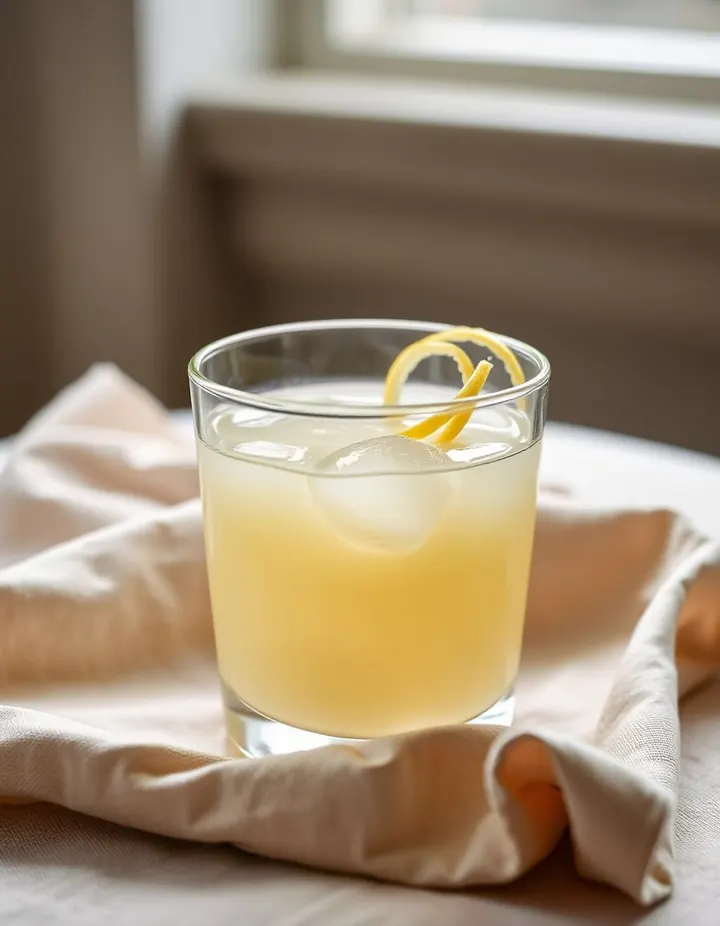 Lemon Whey33 recipes
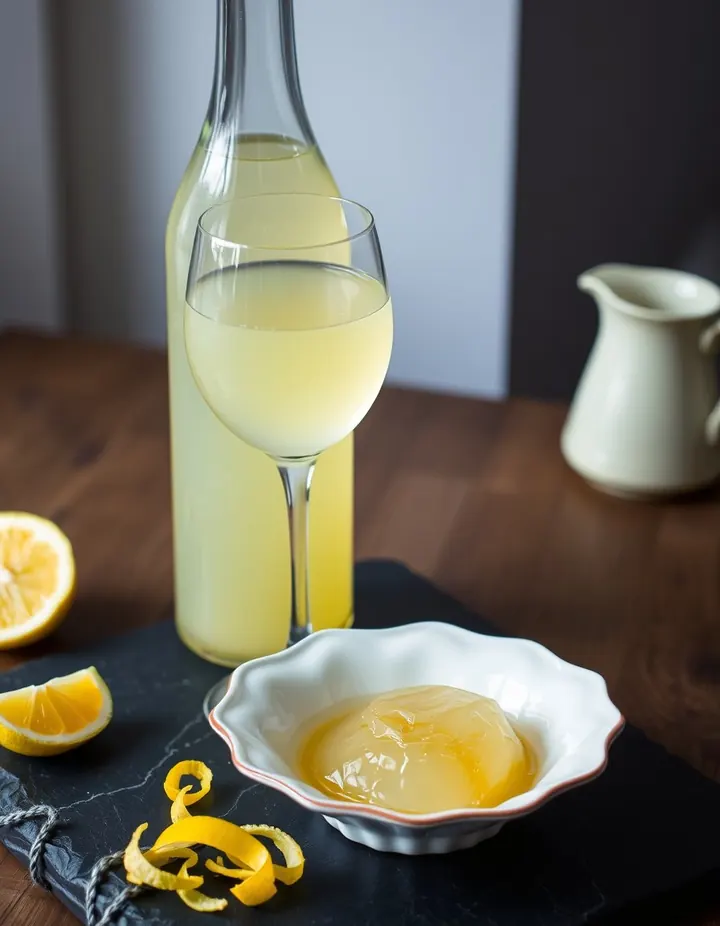 Lemon Wine31 recipes
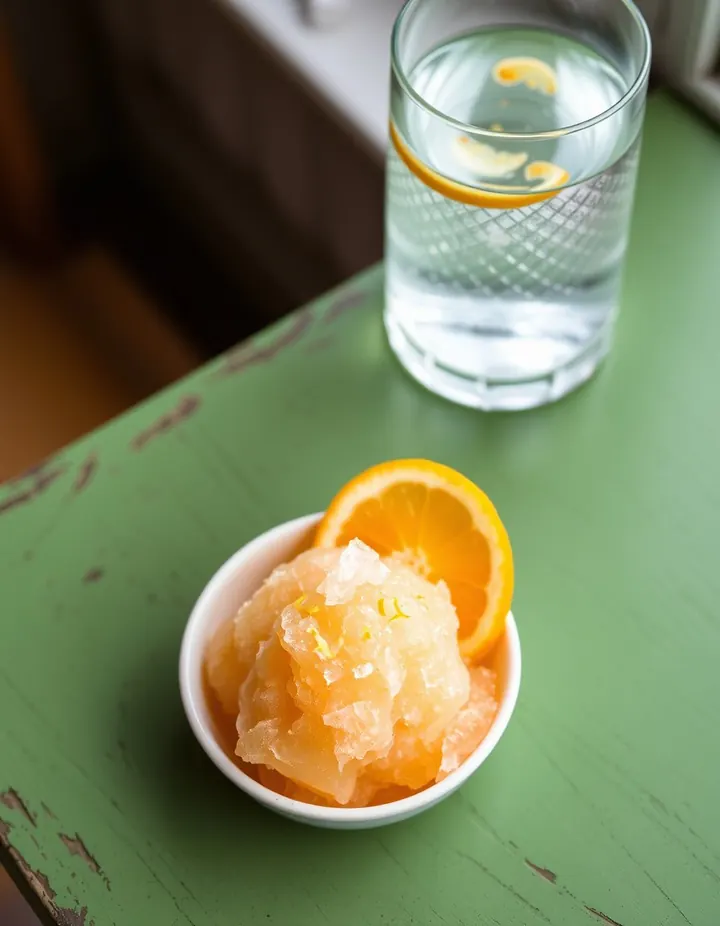 Orange Water Ice28 recipes
The free Flavor Lab newsletter: one surprising pairing a week and the molecular reason it works, in 60 seconds. No spam, unsubscribe anytime.
Prefer an account? Create a free account to save pairings and unlock the full chemistry.