Why it works: Milk and nutmeg are a kitchen classic. They rank in the top 15% of all ingredient pairs, and cooks put them together in 14,685 recipes. Both carry eucalyptol, which smells eucalyptus, herbal. The science ↓
For the Sick
Ingredients
Directions
Soak the sago
Mash ½ oz. of sago and soak it in a teacupful of cold water for an hour or more.
Drain the soaked sago and add 3 gills of good milk.
Simmer and sweeten
Put the mixture over the fire and let it simmer until the sago is entirely incorporated with the milk.
Sweeten it with white sugar.
Optionally flavor with vanilla or nutmeg, if allowed by the physician.
Nutrition, whole recipe (rough)
What these numbers assume: 2 portions
| Ingredient | Portion assumed | kcal |
|---|---|---|
| Milk | 1 cup (244ml) whole | 149 |
| Nutmeg | 1 tsp ground (2.2g) | 12 |
One typical portion per ingredient; the recipe's quantities are not counted. A rough guide only, not for medical or dietary planning.
Transcribed from a scanned cookbook and modernised for today's kitchens. Where the book gave no heat or time, or said "a moderate oven", the temperatures and times here may be modern equivalents rather than the book's own figures. See the original page.
Explore the science
The flavor team
The pairs that carry this dish. Each one is judged two ways: how much their aromas overlap, and how often cooks already put them together.
-
Milk + nutmegtop 15% of all pairsSmell alikemoderateCooked together14,685 recipes
Shared aroma: eucalyptol (eucalyptus, herbal).
Ranks compare each pair with 20,000 random ingredient pairs on CompKitchen. How we score pairs
What each ingredient does
- Sago (in the method)
- Starch that swells and thickens the milk as it heats, giving the pudding its body.
- Milk
- Liquid base that gives the dish its creamy, rich texture and dairy flavor.
- White sugar (in the method)
- Adds sweetness to balance the mild, plain flavor of the milk and sago.
The step that matters
Simmer until the sago is fully incorporated. Sago starch must be heated long enough to gelatinise and soften through the grain. If it is undercooked, small firm specks remain and the texture turns gritty. Stirring keeps the starch from settling and scorching on the base of the pan.
“What each ingredient does” and “The step that matters” were written by Claude from this recipe’s own method and reviewed in samples by CompKitchen.
You might also like
 Vegetable Soup350 recipes
 Raspberry Vinegar214 recipes
 Brown Coffee with Egg175 recipes
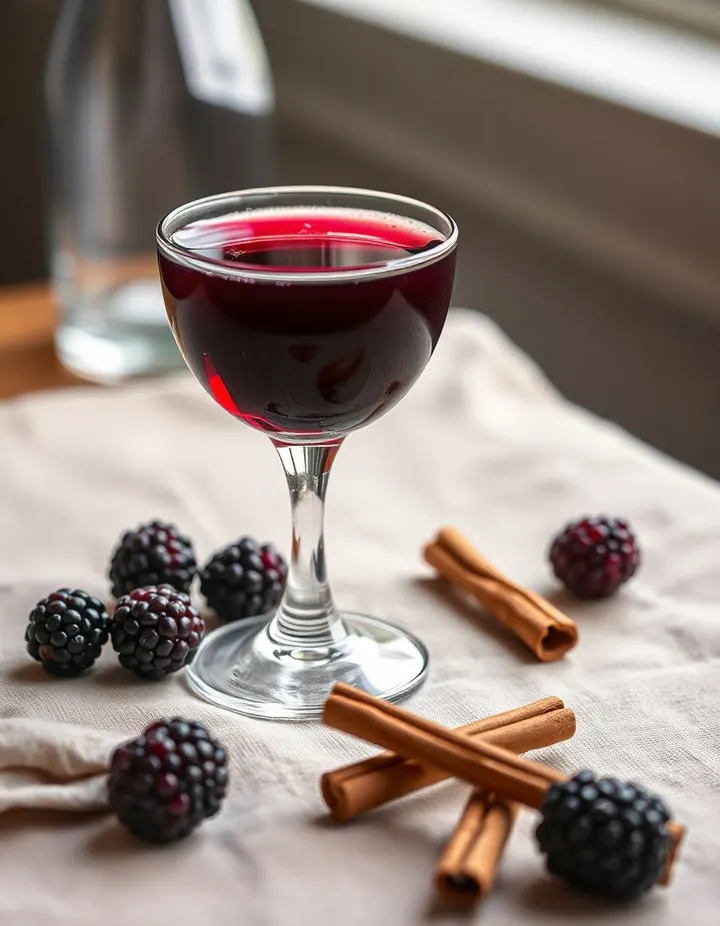 Blackberry Cordial129 recipes
The free Flavor Lab newsletter: one surprising pairing a week and the molecular reason it works, in 60 seconds. No spam, unsubscribe anytime.
Prefer an account? Create a free account to save pairings and unlock the full chemistry.