Why it works: Beans and mustard match in chemistry and in kitchens. They rank in the top 4% of all ingredient pairs, and cooks put them together in 852 recipes. Both carry 2-isopropyl-3-methoxypyrazine, which smells earthy, pea. The science ↓
Boston Baked Beans
Ingredients
Directions
The book gives no oven temperature. The 300°F (150°C) in the steps was added when the recipe was transcribed, as a starting point.
Prepare the beans
Soak the pea beans in cold water overnight.
Drain the soaked beans.
Simmer the beans in fresh cold water until soft enough to pierce with a pin, but do not boil them long enough to break.
If desired, boil a small onion with the beans.
Drain the beans.
Prepare the pork and sauce
Place the drained beans in a bean pot.
Pour boiling water over the salt pork.
Scrape the rind of the salt pork until white.
Bury the salt pork in the beans, leaving only the rind exposed.
Mix the dry mustard, salt, and molasses in a cup. Fill the cup with hot water and stir until well mixed.
Pour the mixture over the beans and pork.
Add enough water to cover the beans.
Bake
Bake at 300°F (150°C) for eight hours.
Add water as needed to keep the beans covered until the last hour.
Raise the pork to the surface to crisp.
Transcribed from a scanned cookbook and modernised for today's kitchens. Where the book gave no heat or time, or said "a moderate oven", the temperatures and times here may be modern equivalents rather than the book's own figures.
Explore the science
The flavor team
The pairs that carry this dish. Each one is judged two ways: how much their aromas overlap, and how often cooks already put them together.
-
Beans + mustardtop 4% of all pairsSmell alikestrongCooked together852 recipes
Shared aroma: 2-isopropyl-3-methoxypyrazine (earthy, pea).
-
Onion + mustardtop 6% of all pairsSmell alikestrongCooked together9,259 recipes
Shared aroma: 2-isopropyl-3-methoxypyrazine (earthy, pea).
-
Beans + oniontop 7% of all pairsSmell alikestrongCooked together5,242 recipes
Shared aroma: 2-isopropyl-3-methoxypyrazine (earthy, pea).
-
Onion + porktop 10% of all pairsSmell alikemoderateCooked together18,214 recipes
Shared aroma: 2-isopropyl-3-methoxypyrazine (earthy, pea).
-
Beans + porktop 11% of all pairsSmell alikemoderateCooked together2,000 recipes
Shared aroma: 2-isopropyl-3-methoxypyrazine (earthy, pea).
Ranks compare each pair with 20,000 random ingredient pairs on CompKitchen. How we score pairs
What each ingredient does
- Pea beans
- Form the bulk of the dish and soften into a tender, creamy texture during long simmering and baking.
- Salt pork
- Adds fat and savory flavor that seeps into the beans, and its rind crisps at the surface.
- Molasses
- Provides sweetness, dark color, and a deep, rich flavor to the sauce.
- Dry mustard
- Adds a sharp, pungent note that balances the sweetness of the molasses.
The step that matters
Simmer the beans without boiling them hard. Beans cooked too vigorously break apart and turn mushy; gentle simmering softens the skins and interiors while keeping the beans whole through the long bake.
Swap the onion
The recipe marks onion as optional. How well each one fits the dish's main ingredients (beans, pork, mustard, molasses):
- Lettucefits better
- Welsh onionfits better
- Broccolifits better
- Onionthe original
Fit is the average pairing score against beans, pork, mustard, molasses. Candidates are from the same food group and used in at least 100 recipes.
“What each ingredient does” and “The step that matters” were written by Claude from this recipe’s own method and reviewed in samples by CompKitchen.
You might also like
 Pork Cake107 recipes
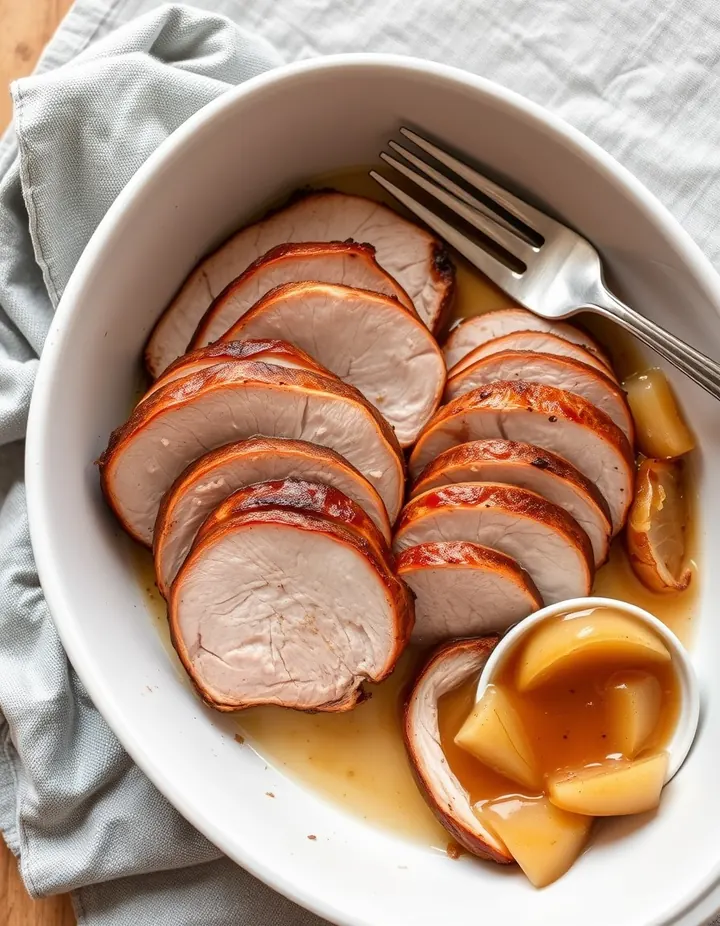 Roast Pork82 recipes
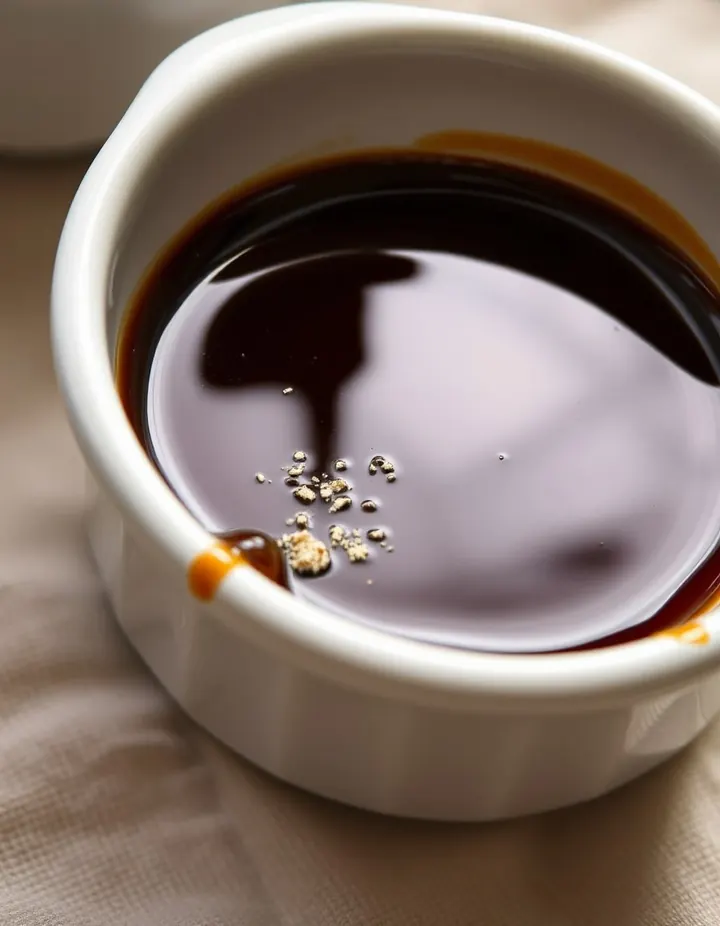 Molasses Sauce32 recipes
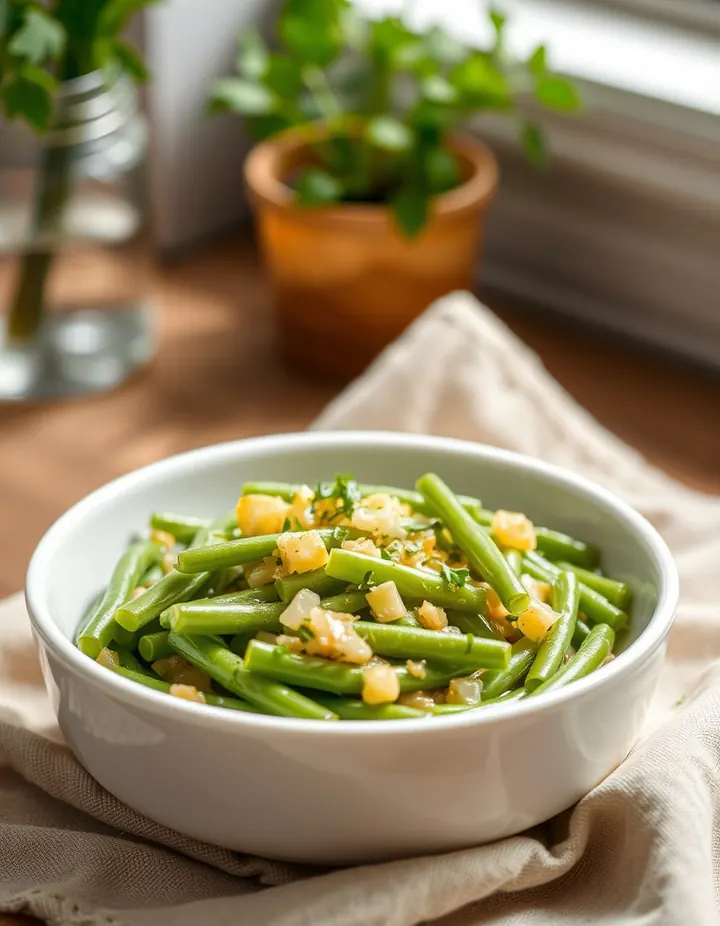 German Style String Beans7 recipes
The free Flavor Lab newsletter: one surprising pairing a week and the molecular reason it works, in 60 seconds. No spam, unsubscribe anytime.
Prefer an account? Create a free account to save pairings and unlock the full chemistry.