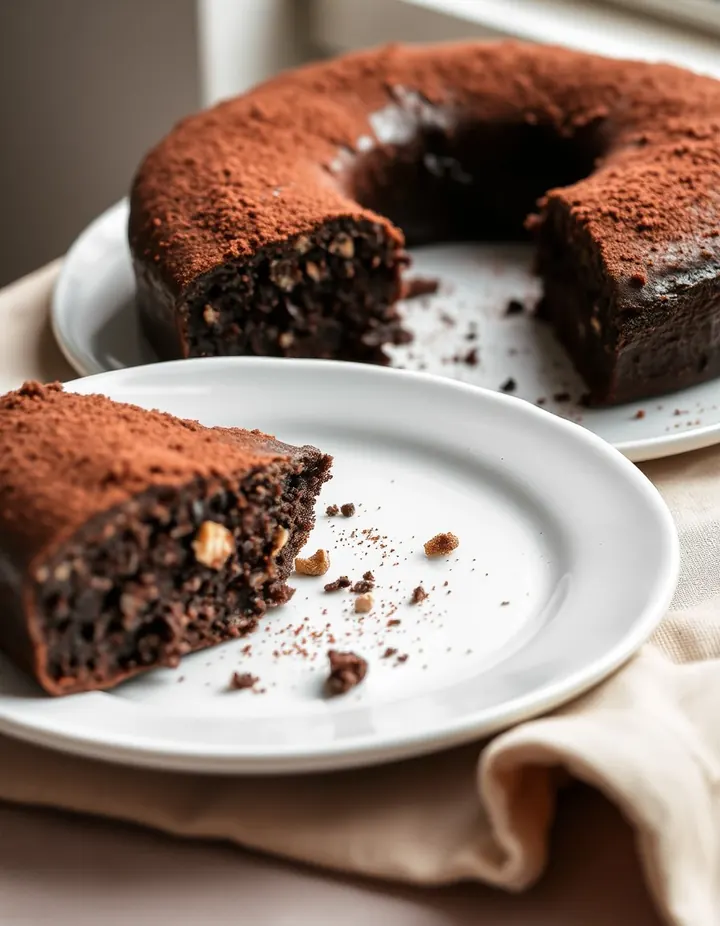
Why it works: Milk and vanilla are a kitchen classic. They rank in the top 5% of all ingredient pairs, and cooks put them together in 19,187 recipes. Both carry ethyl caproate, which smells fruity, apple peel. The science ↓
Chocolate Nut Cake
Ingredients
Directions
The book gives no oven temperature. The 350°F (175°C) in the steps was added when the recipe was transcribed, as a starting point.
Prepare the batter
Reserve 4 unbroken walnut halves and chop the rest finely.
Cream together the sugar and butter.
Add the eggs one at a time, beating well after each addition.
Stir in the milk and flour alternately, adding the baking powder to the last half cup of flour.
Bake and make the icing
Bake in two layers at 350°F (175°C).
In a saucepan, combine the butter, grated chocolate, brown sugar, and milk.
Cook until it reaches the soft ball stage, then add a small piece of butter and vanilla.
Keep the icing soft by placing the pan in hot water.
Assemble and finish
Mix the chopped walnuts into one‑third of the icing and let it cool enough to spread between the layers.
Cover the top and sides of the cake with the remaining icing and arrange the reserved walnut halves on top.
Transcribed from a scanned cookbook and modernised for today's kitchens. Where the book gave no heat or time, or said "a moderate oven", the temperatures and times here may be modern equivalents rather than the book's own figures.
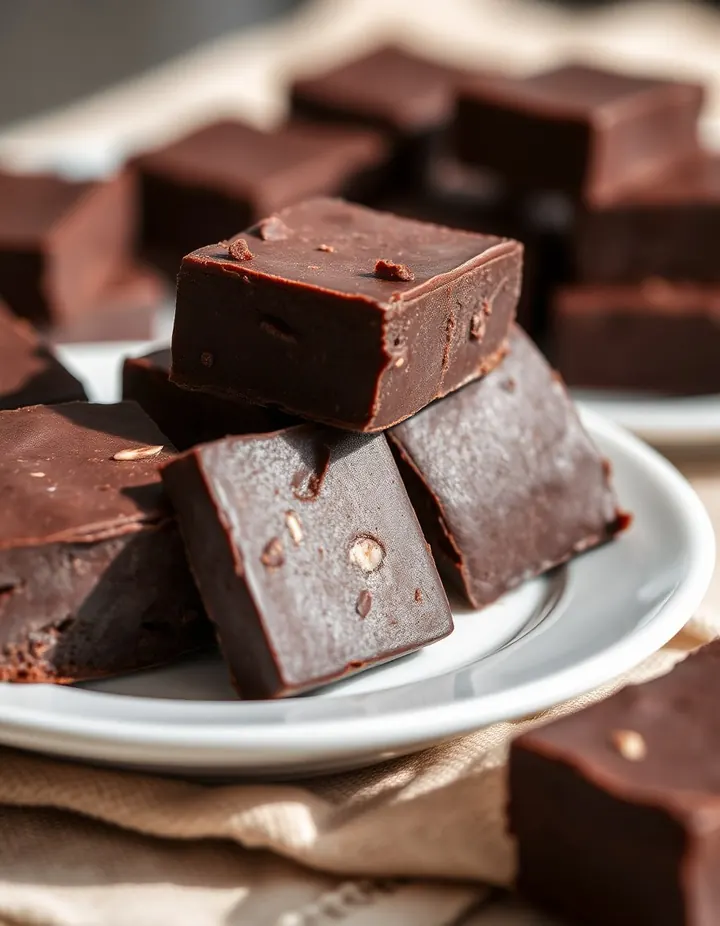
Photo for illustrative purposes only · Contact us to use it
Explore the science
The flavor team
The pairs that carry this dish. Each one is judged two ways: how much their aromas overlap, and how often cooks already put them together.
-
Milk + vanillatop 5% of all pairsSmell alikemoderateCooked together19,187 recipes
Shared aroma: ethyl caproate (fruity, apple peel).
-
Chocolate + vanillatop 5% of all pairsSmell alikemoderateCooked together10,020 recipes
Shared aroma: sotolon (curry, maple).
-
Butter + milktop 7% of all pairsSmell alikemoderateCooked together81,283 recipes
Shared aroma: (z)-4-heptenal (biscuit, cream).
-
Sugar + vanillatop 8% of all pairsSmell alikelowCooked together35,032 recipes
Shared aroma: beta-damascenone (apple, rose).
-
Walnut + vanillatop 10% of all pairsSmell alikestrongCooked together2,730 recipes
Shared aroma: eucalyptol (eucalyptus, herbal).
Sugar and vanilla barely smell alike, yet cooks put them together in 35,032 recipes: they work on texture and structure more than aroma.
Ranks compare each pair with 20,000 random ingredient pairs on CompKitchen. How we score pairs
What each ingredient does
- Eggs
- Bind the batter and add structure and richness as they set in the oven.
- Flour
- Forms the cake's main structure once its proteins set during baking.
- Butter
- Adds fat for tenderness and richness in both the cake and the icing.
- Baking powder
- Releases gas in the batter so the cake rises and becomes light.
- Walnuts
- Add texture and a nutty flavor to the cake and icing.
- Brown sugar
- Adds sweetness and moisture, and a deeper caramel flavor to the icing.
The step that matters
Cooking the icing to the soft ball stage. Sugar syrup that is cooked too little stays runny, and cooked too far it turns hard and grainy. Reaching the soft ball stage gives a fudge-like icing that spreads well and sets soft.
Swap the walnut
How well each one fits the dish's main ingredients (sugar, butter, egg, milk, flour, chocolate, vanilla):
- Almondfits better
- Hazelnutfits better
- Chestnutfits better
- Walnutthe original
Fit is the average pairing score against sugar, butter, egg, milk, flour, chocolate, vanilla. Candidates are from the same food group and used in at least 100 recipes.
“What each ingredient does” and “The step that matters” were written by Claude from this recipe’s own method and reviewed in samples by CompKitchen.
You might also like
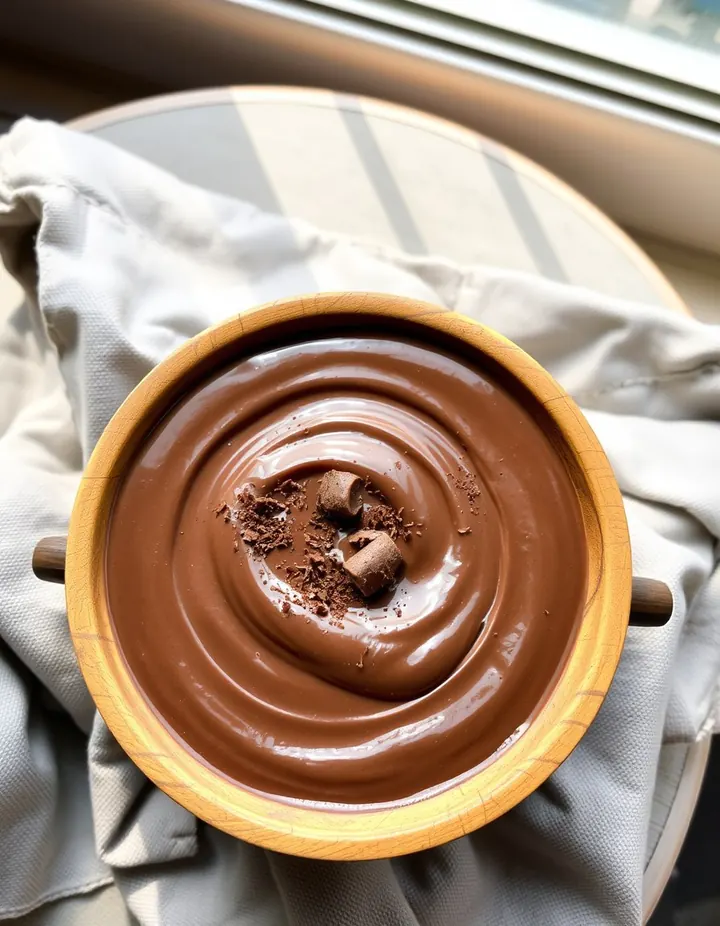 Chocolate Cream171 recipes
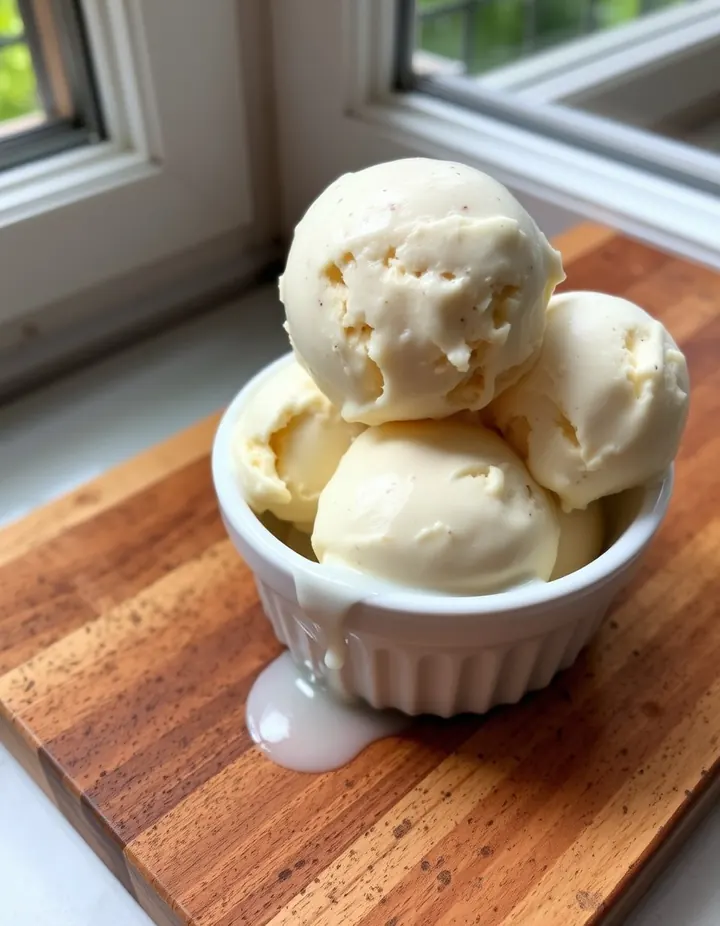 Vanilla Ice Cream108 recipes
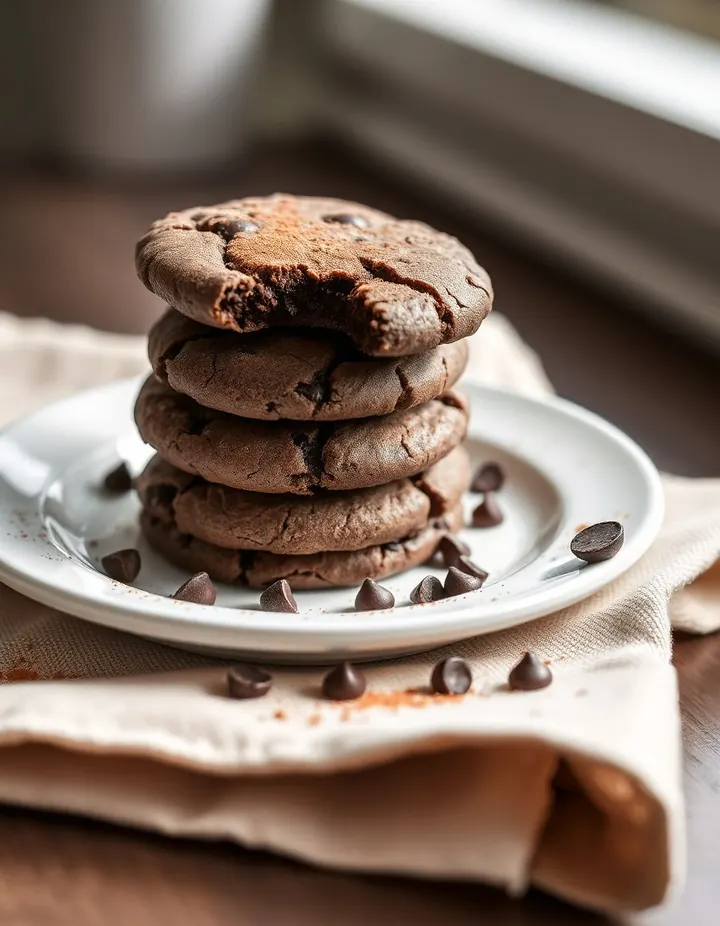 Chocolate Cookies76 recipes
 Chocolate Fudge55 recipes
The free Flavor Lab newsletter: one surprising pairing a week and the molecular reason it works, in 60 seconds. No spam, unsubscribe anytime.
Prefer an account? Create a free account to save pairings and unlock the full chemistry.