Why it works: Apple and quince work together. They rank in the top 1% of all ingredient pairs, and cooks put them together in 506 recipes. Both carry ethyl isobutyrate, which smells fruity, ethereal. The science ↓
Jellies and Jams
Ingredients
Directions
Extract the juice
Use a porcelain or bright brass kettle.
Place fruit in the kettle and add just enough water to prevent burning.
Stir often and heat until the fruit is thoroughly scalded.
Alternatively, place fruit in a stone jar in a kettle of tepid water and boil until softened.
Strain the juice through a strong, coarse flannel or cotton bag wrung out of hot water.
Squeeze the bag to extract more juice, rinsing it as needed.
For larger fruits, cut them into pieces, remove defective cores, cover with water, and boil gently until tender.
Drain for three to four hours or overnight.
Make the jelly
Make jelly in small batches (2-3 pints).
Use equal measures of juice and sugar.
Boil the juice rapidly for 10 minutes, skim, then add sugar and boil for another 10 minutes.
Alternatively, spread sugar in a large pan in the oven, stir often, boil juice for 20 minutes, add hot sugar, let it boil once, and pour into jelly glasses.
If jelly is not firm, let it sit in the sun for a few days, covered with window glass or mosquito netting.
Avoid making jellies in damp or cloudy weather.
Transcribed from a scanned cookbook and modernised for today's kitchens. Where the book gave no heat or time, or said "a moderate oven", the temperatures and times here may be modern equivalents rather than the book's own figures.
Explore the science
The flavor team
The pairs that carry this dish. Each one is judged two ways: how much their aromas overlap, and how often cooks already put them together.
-
Apple + quincetop 1% of all pairsSmell alikemoderateCooked together506 recipes
Shared aroma: ethyl isobutyrate (fruity, ethereal).
-
Grape + appletop 1% of all pairsSmell alikestrongCooked together1,659 recipes
Shared aroma: 2-isobutyl-3-methoxypyrazine (green bell pepper, earthy).
-
Grape + quincetop 8% of all pairsSmell alikemoderateCooked together96 recipes
Shared aroma: ethyl isobutyrate (fruity, ethereal).
-
Currant + appletop 12% of all pairsSmell alikelowCooked together1,918 recipes
Shared aroma: isoamyl acetate (banana, pear).
-
Currant + quincetop 16% of all pairsSmell alikelowCooked together91 recipes
Shared aroma: ethyl cinnamate (sweet, balsamic).
Ranks compare each pair with 20,000 random ingredient pairs on CompKitchen. How we score pairs
What each ingredient does
- Fruit
- Provides pectin and acid that let the juice set into a jelly.
- Refined or granulated sugar
- Sweetens the juice and helps it thicken and set as it boils.
- Water
- Softens the fruit and keeps it from scorching during the first heating.
The step that matters
Boil the juice and sugar for the full time. Sugar and acid need enough heat and boiling to concentrate the mixture to the point where pectin forms a firm gel. Too little boiling leaves the jelly runny, while overcooking can make it dark and sticky.
Swap the currant
How well each one fits the dish's main ingredients (grape, apple, quince, sugar):
- Pearfits better
- Plumfits better
- Apricotfits better
- Currantthe original
Fit is the average pairing score against grape, apple, quince, sugar. Candidates are from the same food group and used in at least 100 recipes.
“What each ingredient does” and “The step that matters” were written by Claude from this recipe’s own method and reviewed in samples by CompKitchen.
You might also like
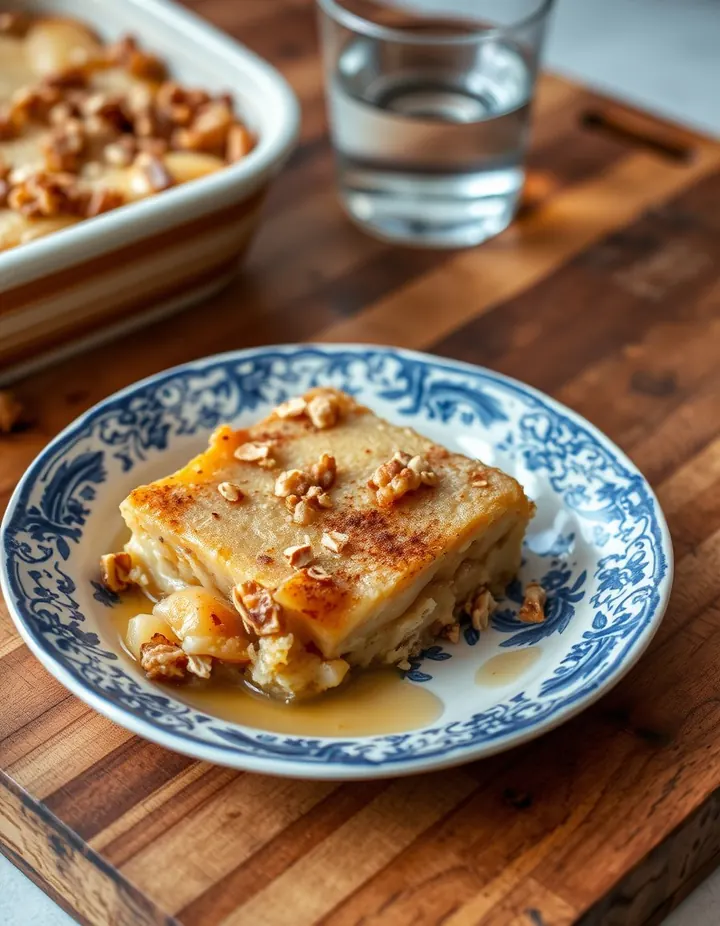 Apple Pudding256 recipes
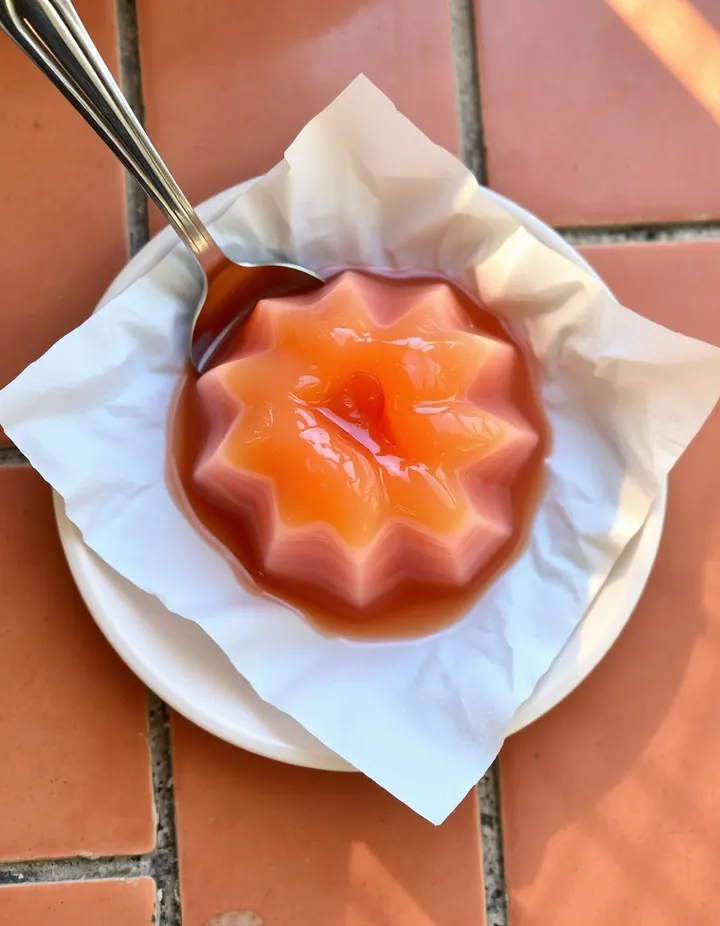 Quince Jelly131 recipes
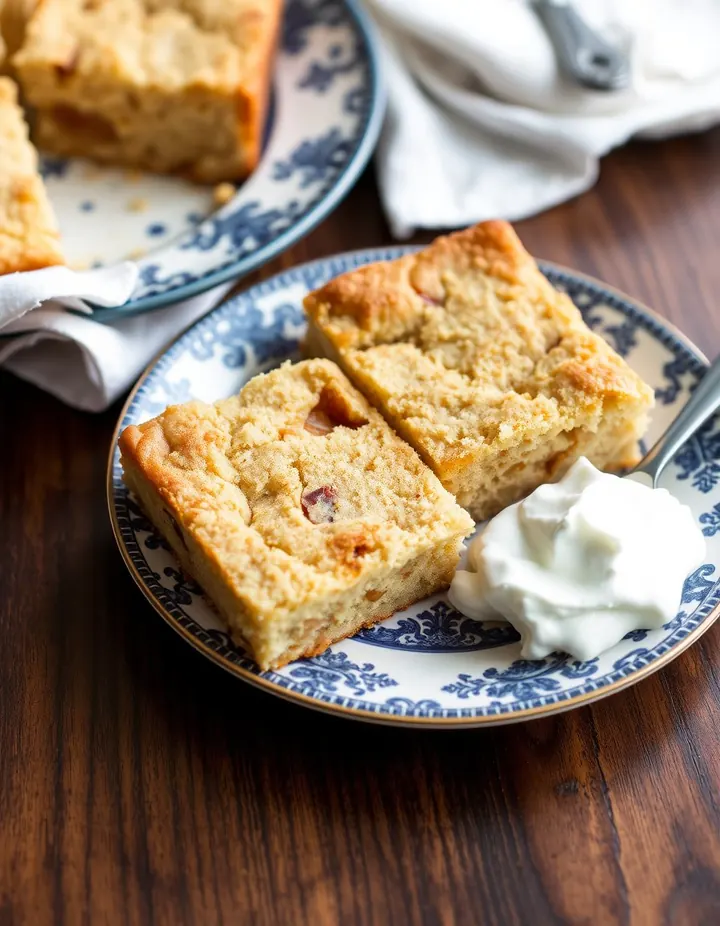 Apple Cake80 recipes
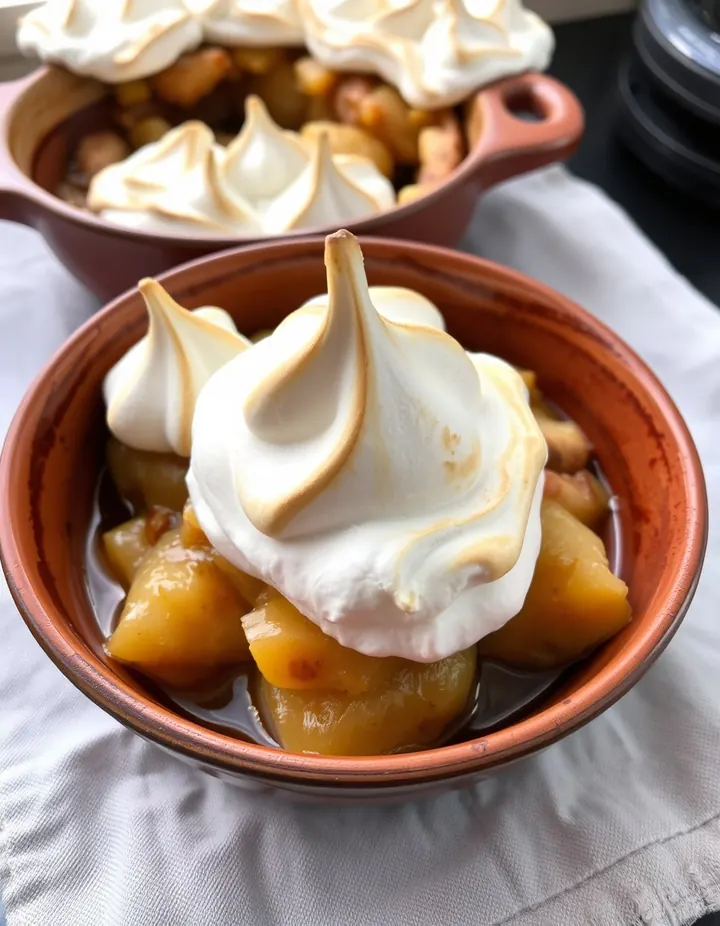 Apple Meringue75 recipes
The free Flavor Lab newsletter: one surprising pairing a week and the molecular reason it works, in 60 seconds. No spam, unsubscribe anytime.
Prefer an account? Create a free account to save pairings and unlock the full chemistry.