Why it works: Cream and sugar are a kitchen classic. They rank in the top 9% of all ingredient pairs, and cooks put them together in 43,450 recipes. Both carry 2,3-butanedione, which smells butter, sweet. The science ↓
Cream Dressing
Ingredients
Directions
Whip the sweet cream to a stiff froth.
Add the fine sugar and vinegar, then beat well and use for cabbage.
Transcribed from a scanned cookbook and modernised for today's kitchens. Where the book gave no heat or time, or said "a moderate oven", the temperatures and times here may be modern equivalents rather than the book's own figures.
Explore the science
The flavor team
The pairs that carry this dish. Each one is judged two ways: how much their aromas overlap, and how often cooks already put them together.
-
Cream + sugartop 9% of all pairsSmell alikemoderateCooked together43,450 recipes
Shared aroma: 2,3-butanedione (butter, sweet).
-
Sugar + vinegartop 15% of all pairsSmell alikemoderateCooked together20,806 recipes
Shared aroma: beta-damascenone (apple, rose).
-
Cream + vinegartop 25% of all pairsSmell alikemoderateCooked together4,064 recipes
Shared aroma: acetic acid (sour, vinegar).
Ranks compare each pair with 20,000 random ingredient pairs on CompKitchen. How we score pairs
What each ingredient does
- Sweet cream
- Whipped into a stiff froth to give the dressing body and a light, creamy texture.
- Fine sugar
- Dissolves easily into the dressing, adding sweetness that balances the sharpness of the vinegar.
- Vinegar
- Adds acidity that gives the dressing its tang and sharpness.
The step that matters
Whipping the sweet cream to a stiff froth. Cream thickens as air is whipped into it and its fat globules partly clump together. Under-whipping leaves the dressing thin, while over-whipping can turn it grainy or buttery. Stopping at a stiff froth gives a dressing that holds its body when the acid is added.
“What each ingredient does” and “The step that matters” were written by Claude from this recipe’s own method and reviewed in samples by CompKitchen.
More cream dressing recipes
You might also like
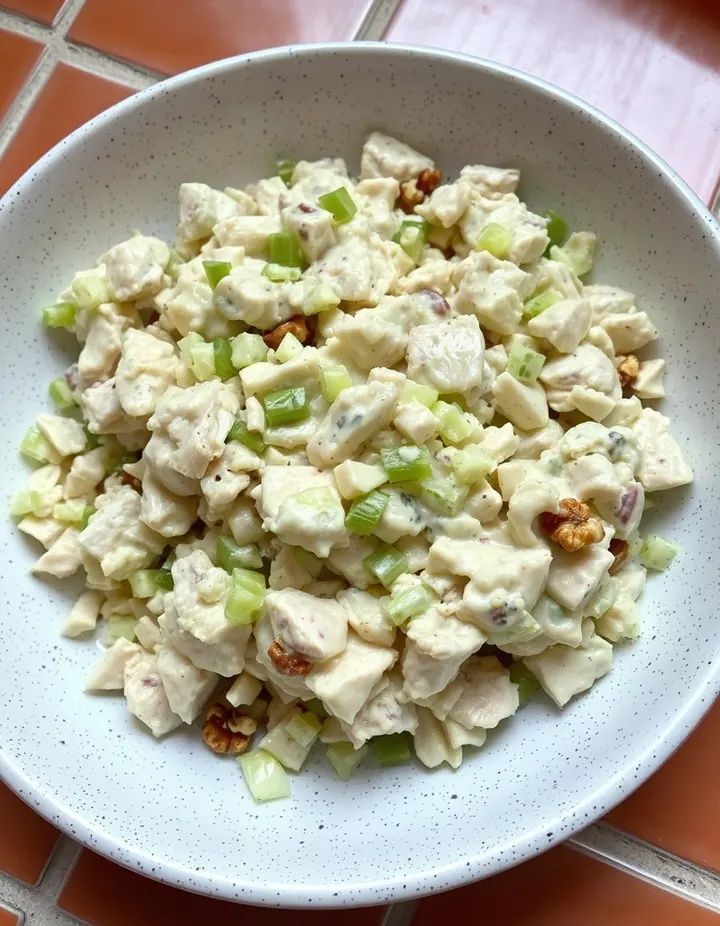 Chicken Salad623 recipes
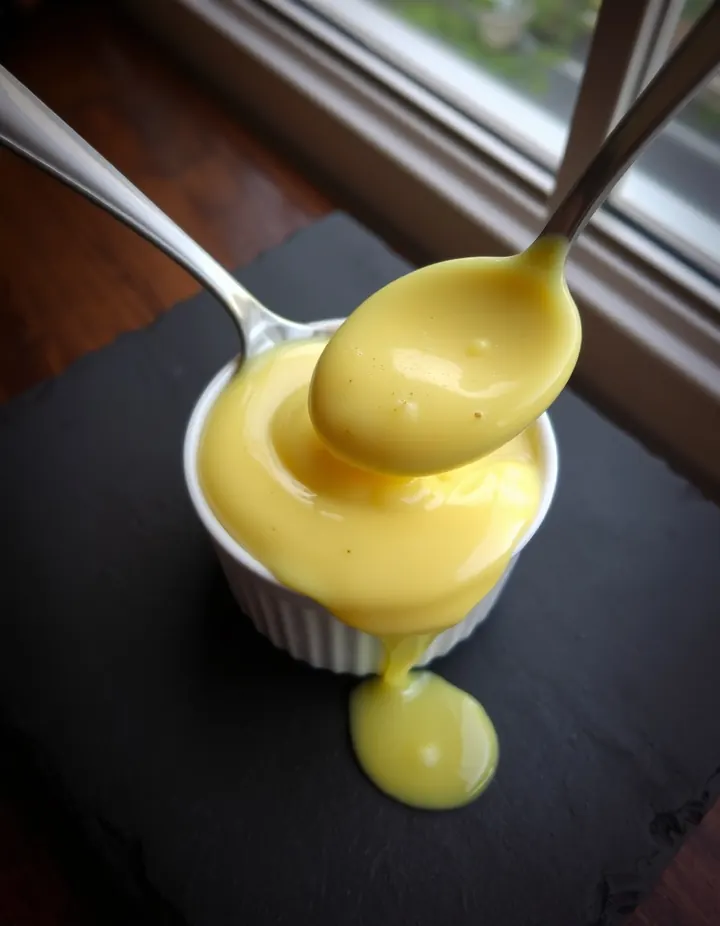 Salad Dressing491 recipes
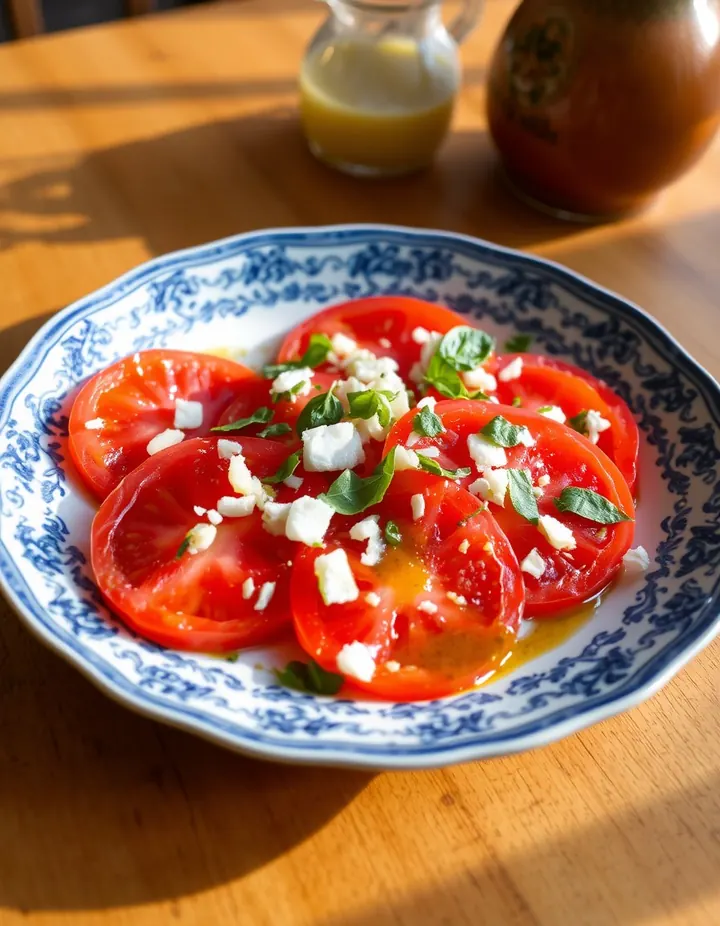 Tomato Salad179 recipes
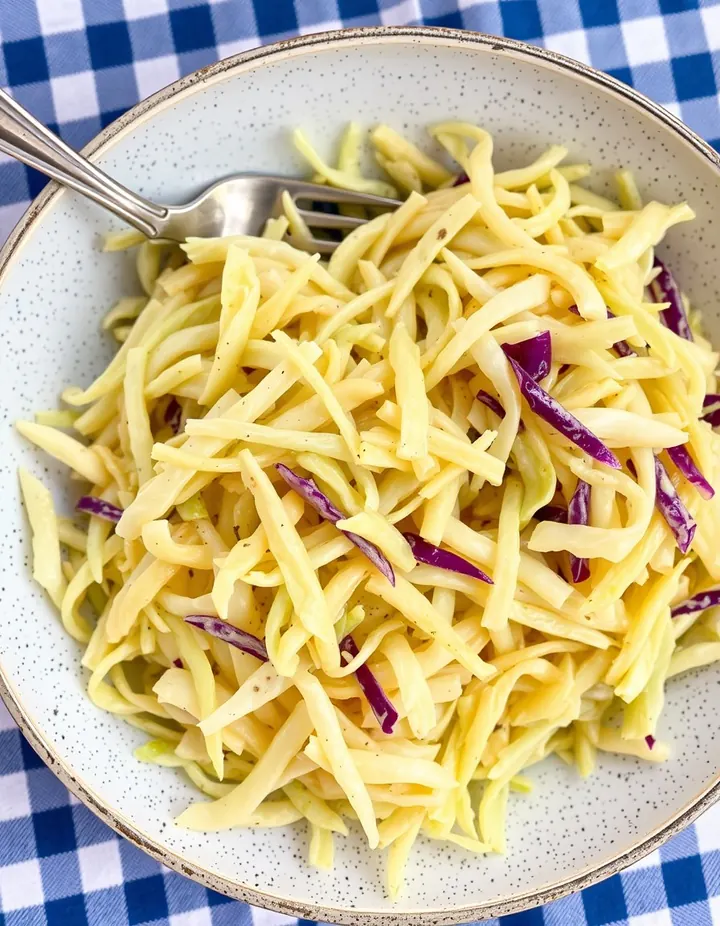 Cold Slaw160 recipes
The free Flavor Lab newsletter: one surprising pairing a week and the molecular reason it works, in 60 seconds. No spam, unsubscribe anytime.
Prefer an account? Create a free account to save pairings and unlock the full chemistry.