Why it works: Pistachio and almond match in chemistry and in kitchens. They rank in the top 1% of all ingredient pairs, and cooks put them together in 693 recipes. Both carry alpha-pinene, which smells pine, turpentine. The science ↓
Galantine of Fowl
Ingredients
Directions
Prepare the forcemeat
Pass the veal and pork through a sausage machine and season well.
Knead the mixture on a wet board, adding cold water gradually to form a dough.
Spread the dough into a shape as long and wide as the fowl.
Lay the ham and tongue cut into stripes, chopped pistachios, almonds, truffles or walnut slices, olives, and anchovies on the dough.
Roll it up into a large sausage shape.
Bone and stuff the fowl
Remove all bones from the fowl without cutting the skin and clean the carcass.
Place the bones in a large pan, cover with cold water, and add onion, carrot, turnip, celery, salt, and pepper; bring to a boil.
Place the roll of forcemeat inside the fowl, sew up the tail and neck, and wrap tightly in a buttered cloth, tying the ends.
Cook and set
Lay it in the pan of boiling stock and simmer gently for 1.5 to 2 hours, depending on size.
When cooked, remove the cloth, wrap it tightly again, and place between dishes with a weight on top, ensuring it does not lie on its side.
Once completely cold, glaze it and garnish with aspic jelly and beaten butter, or simply with fresh salad.
Transcribed from a scanned cookbook and modernised for today's kitchens. Where the book gave no heat or time, or said "a moderate oven", the temperatures and times here may be modern equivalents rather than the book's own figures.
Explore the science
The flavor team
The pairs that carry this dish. Each one is judged two ways: how much their aromas overlap, and how often cooks already put them together.
-
Pistachio + almondtop 1% of all pairsSmell alikestrongCooked together693 recipes
Shared aroma: alpha-pinene (pine, turpentine).
-
Pistachio + nutstop 1% of all pairsSmell alikestrongCooked together425 recipes
Shared aroma: alpha-pinene (pine, turpentine).
-
Olive + almondtop 6% of all pairsSmell alikestrongCooked together1,875 recipes
Shared aroma: 2,4-decadienal (seaweed).
-
Nuts + almondtop 6% of all pairsSmell alikemoderateCooked together394 recipes
Shared aroma: 2,3-pentanedione (butter, sweet).
-
Pistachio + olivetop 6% of all pairsSmell alikestrongCooked together299 recipes
Shared aroma: alpha-pinene (pine, turpentine).
Ranks compare each pair with 20,000 random ingredient pairs on CompKitchen. How we score pairs
What each ingredient does
- Fowl
- Forms the outer shell and the main body of the galantine, holding the forcemeat during cooking.
- Veal and pork
- Form the forcemeat binder; cold water helps make a smooth, cohesive dough that holds together when sliced.
- Ham and tongue
- Add savoury, meaty flavour and colour to the cut slices of the roll.
- Almonds
- Add crunch and texture to the forcemeat.
- Anchovies
- Add a salty, savoury depth of flavour to the forcemeat.
The step that matters
Simmering the wrapped roll. Simmering gently keeps the forcemeat from toughening and splitting. A hard boil forces fat and moisture out of the meats and can leave the roll dense and cracked.
Swap the nuts
How well each one fits the dish's main ingredients (veal, ham, pistachio, truffle, olive, pork, almond):
- Chestnutfits better
- Walnutfits better
- Beansfits better
- Nutsthe original
Fit is the average pairing score against veal, ham, pistachio, truffle, olive, pork, almond. Candidates are from the same food group and used in at least 100 recipes.
“What each ingredient does” and “The step that matters” were written by Claude from this recipe’s own method and reviewed in samples by CompKitchen.
You might also like
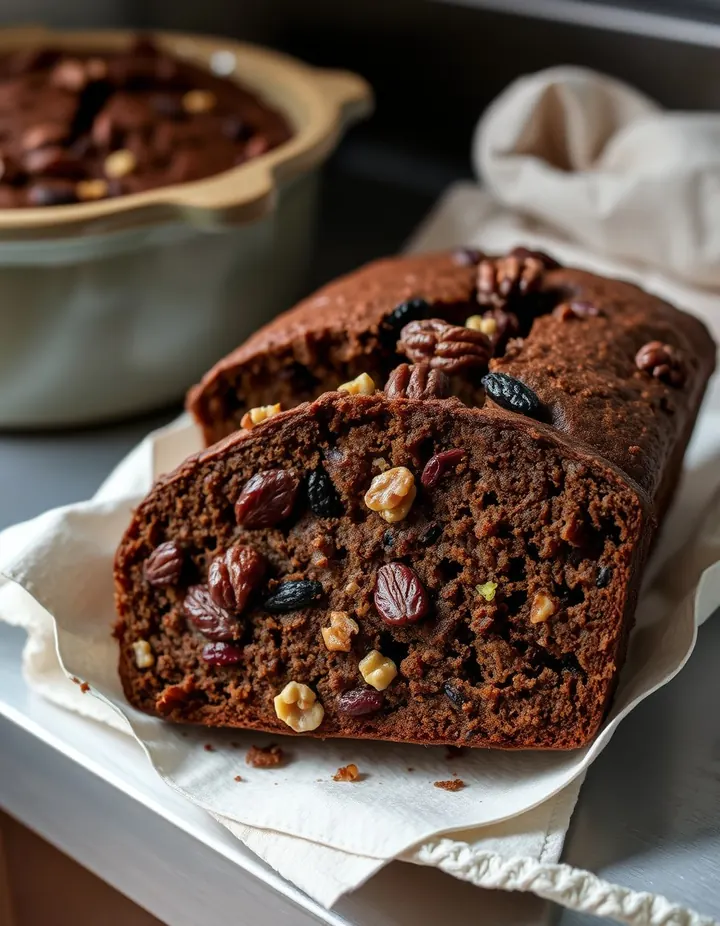 Pork Cake107 recipes
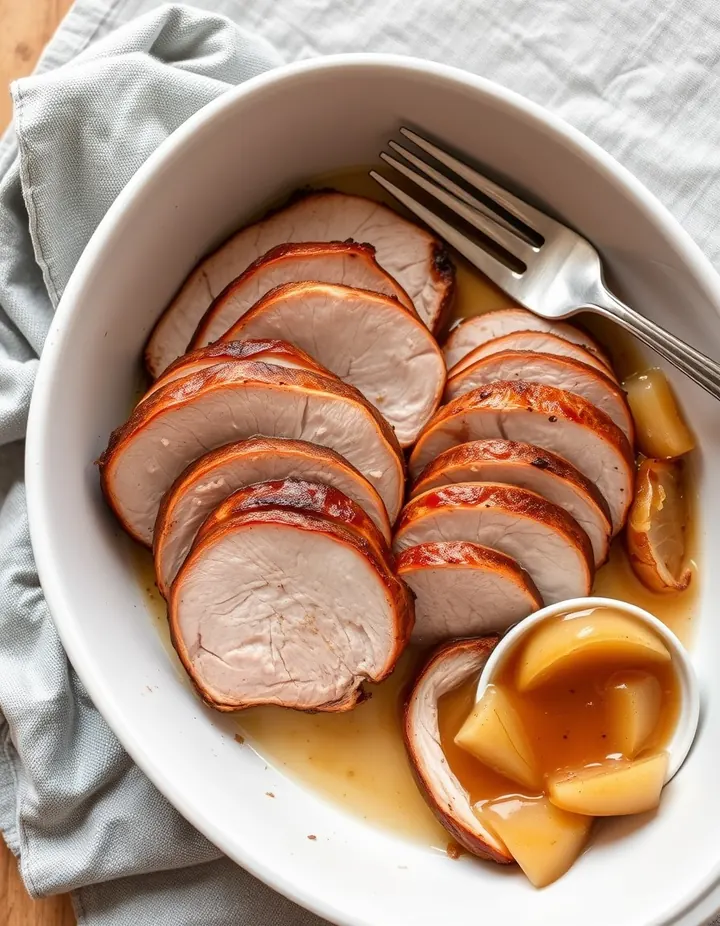 Roast Pork82 recipes
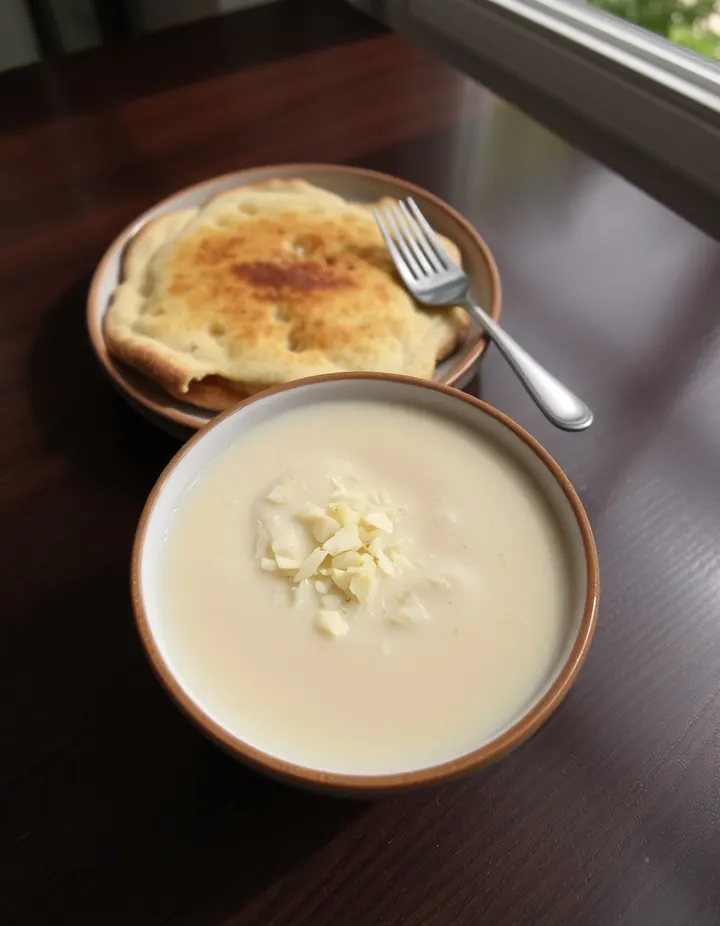 Almond Soup60 recipes
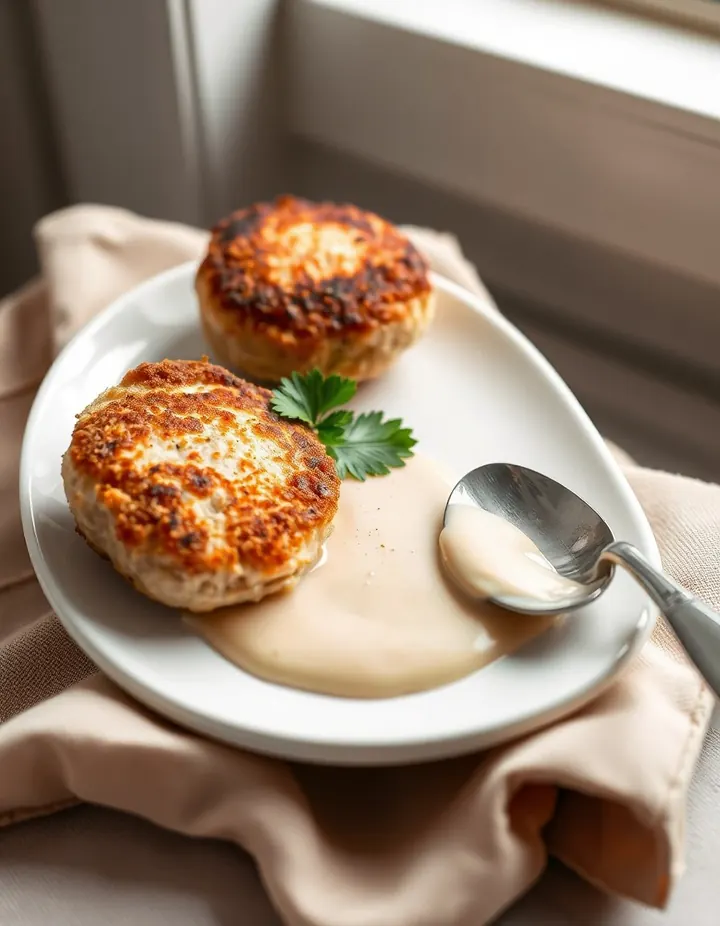 Veal Patties50 recipes
The free Flavor Lab newsletter: one surprising pairing a week and the molecular reason it works, in 60 seconds. No spam, unsubscribe anytime.
Prefer an account? Create a free account to save pairings and unlock the full chemistry.