Why it works: Chestnut and raisin share more aroma than cooks usually use. They rank in the top 6% of all ingredient pairs, and cooks put them together in 65 recipes. Both carry decanal, which smells soap, orange peel. The science ↓
Nesselrode Pudding
Ingredients
Directions
Prepare the chestnuts
Peel the chestnuts and boil them for 5 minutes.
Remove the second skin and cook slowly with 1 cup of sugar until tender.
Drain and press through a fine sieve.
Make the custard and fruit
In a saucepan, combine the egg yolks, ¼ pound of sugar, and 1 pint of boiled cream.
Stir over low heat until thickened.
Add the chestnut puree and strain into a basin.
Stir in 1 tablespoon of maraschino.
In a separate pot, cook the raisins, currants, ½ cup of sugar, and 1 tablespoon of water until done.
Drain and let cool.
Freeze and serve
Pour the chestnut cream into a freezer and partly freeze it.
Fold in ½ pint of whipped cream, the raisins, and currants.
Close the freezer and place it in ice and salt for 2 hours to finish freezing.
For the sauce, stir together ½ pint of boiled cream, 4 egg yolks, and 1 small cup of sugar over low heat until thickened.
Strain and add 1 tablespoon of maraschino.
Turn the pudding out of the mold.
Pour the sauce around it.
Transcribed from a scanned cookbook and modernised for today's kitchens. Where the book gave no heat or time, or said "a moderate oven", the temperatures and times here may be modern equivalents rather than the book's own figures.
Explore the science
The flavor team
The pairs that carry this dish. Each one is judged two ways: how much their aromas overlap, and how often cooks already put them together.
-
Chestnut + raisintop 6% of all pairsSmell alikestrongCooked together65 recipes
Shared aroma: decanal (soap, orange peel).
-
Sugar + creamtop 9% of all pairsSmell alikemoderateCooked together43,450 recipes
Shared aroma: 2,3-butanedione (butter, sweet).
-
Raisin + curranttop 10% of all pairsSmell alikelowCooked together6,180 recipes
Shared aroma: gamma-nonanolactone (coconut, creamy).
-
Sugar + raisintop 13% of all pairsSmell alikemoderateCooked together12,481 recipes
Shared aroma: beta-damascenone (apple, rose).
-
Chestnut + sugartop 17% of all pairsSmell alikemoderateCooked together647 recipes
Shared aroma: guaiacol (smoky, sweet).
Ranks compare each pair with 20,000 random ingredient pairs on CompKitchen. How we score pairs
What each ingredient does
- Chestnuts
- Provide the main body and flavour of the pudding when cooked and pureed.
- Egg yolks
- Thicken the custard and enrich the texture through their setting proteins.
- Boiled cream
- Adds richness and fat, giving the custard a smooth, creamy mouthfeel.
- Whipped cream
- Lightens the frozen mixture with trapped air for a softer, less icy texture.
- Sugar
- Sweetens the pudding and softens the chestnuts, and helps keep the frozen texture smooth.
- Raisins and currants
- Add chewy sweetness and fruity bite against the smooth frozen cream.
The step that matters
Partly freezing the chestnut cream before folding. If the base freezes fully before the whipped cream and fruit are folded in, they cannot mix evenly and the texture becomes lumpy. Stopping at a partly frozen, spoonable stage keeps the mixture smooth and airy.
Swap the currant
How well each one fits the dish's main ingredients (chestnut, sugar, egg, cream, raisin):
- Vanillafits better
- Figfits better
- Coconutfits better
- Currantthe original
Fit is the average pairing score against chestnut, sugar, egg, cream, raisin. Candidates are from the same food group and used in at least 100 recipes.
“What each ingredient does” and “The step that matters” were written by Claude from this recipe’s own method and reviewed in samples by CompKitchen.
You might also like
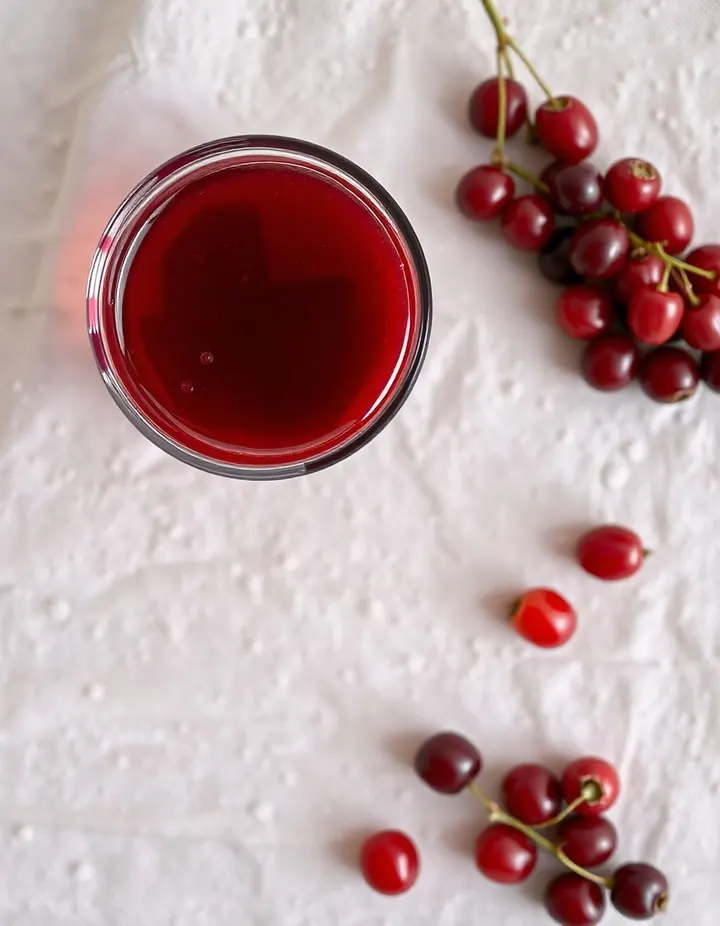 Red Currant Jelly65 recipes
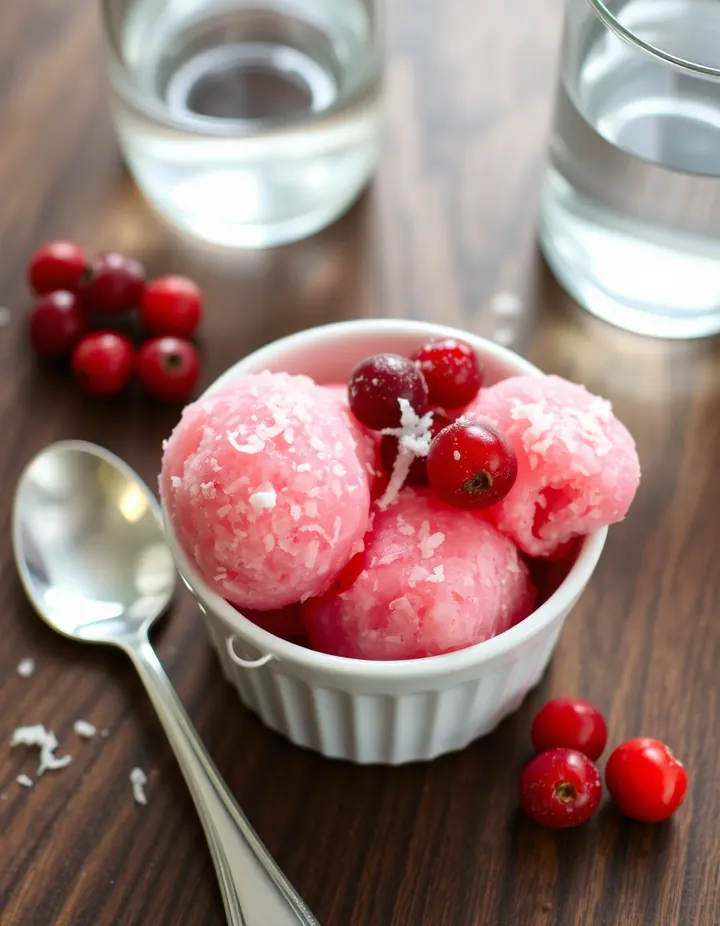 Currant Ice Cream32 recipes
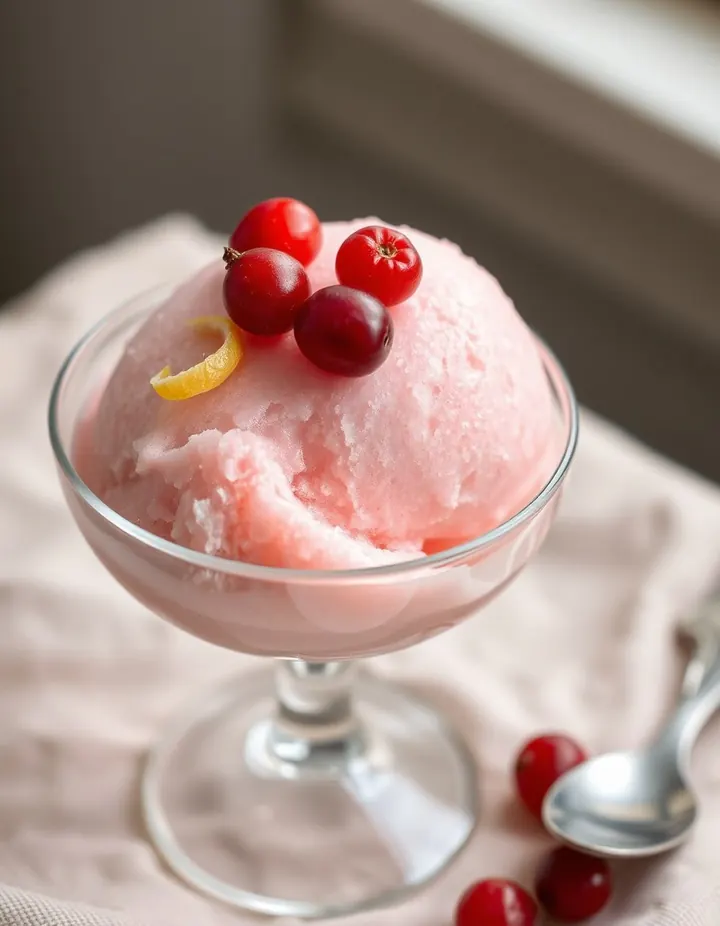 Currant Sherbet9 recipes
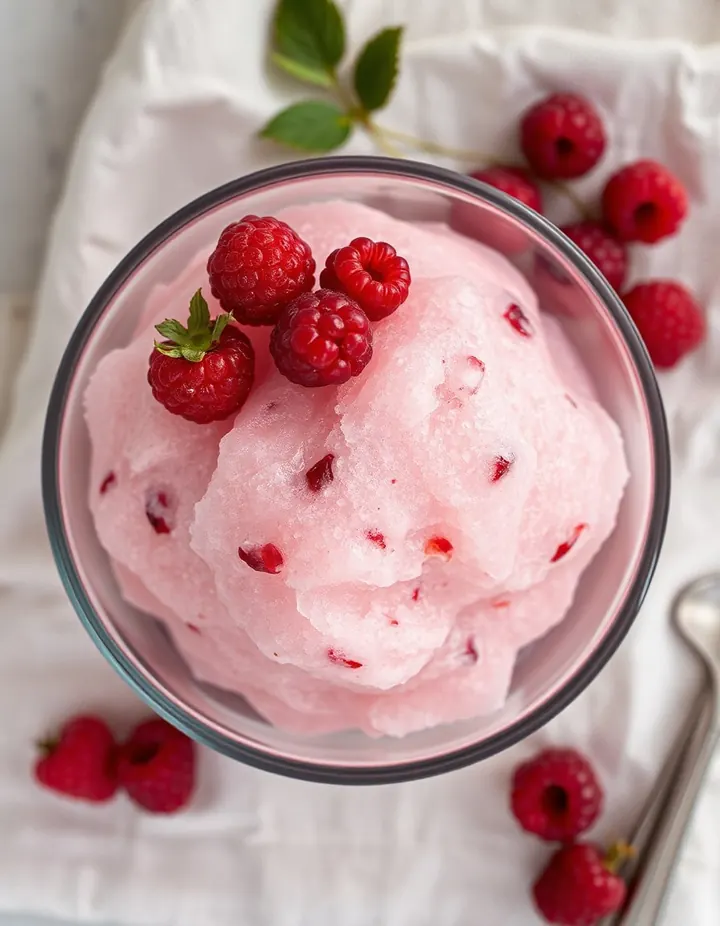 Currant and Raspberry Ice7 recipes
The free Flavor Lab newsletter: one surprising pairing a week and the molecular reason it works, in 60 seconds. No spam, unsubscribe anytime.
Prefer an account? Create a free account to save pairings and unlock the full chemistry.