Why it works: Butter and milk are a kitchen classic. They rank in the top 7% of all ingredient pairs, and cooks put them together in 81,283 recipes. Both carry (z)-4-heptenal, which smells biscuit, cream. The science ↓
Chicken Pie, Country Style
Ingredients
Directions
The book says “a hot oven”. The 400°F (200°C) in the steps is the modern equivalent, not the book's own figure.
Prepare the chicken and gravy
Cook the chickens in boiling water with the onion until tender.
When half cooked, add salt and pepper.
Remove the chicken.
Strain off the fat.
Return the stock to the pot.
Simmer until reduced to 4 cups.
Thicken the stock with flour.
Dilute with cold water to pour easily.
Add butter bit by bit.
Adjust salt if necessary.
Assemble and make the crust
Place a small cup upside down in the center of a baking dish.
Arrange pieces of chicken around the cup.
Remove larger bones.
Pour the gravy over the chicken.
Sift together flour, baking powder, and salt for the crust.
Work in butter and lard with your fingers.
Add milk.
Roll the crust to ½ inch thick for the top and ¼ inch thick for the remaining dough.
Cut the remaining dough into 3 pieces.
Braid the pieces.
Place the braid around the top of the cup.
Bake
Bake in a hot oven at 400°F (200°C).
Transcribed from a scanned cookbook and modernised for today's kitchens. Where the book gave no heat or time, or said "a moderate oven", the temperatures and times here may be modern equivalents rather than the book's own figures.
Explore the science
The flavor team
The pairs that carry this dish. Each one is judged two ways: how much their aromas overlap, and how often cooks already put them together.
-
Butter + milktop 7% of all pairsSmell alikemoderateCooked together81,283 recipes
Shared aroma: (z)-4-heptenal (biscuit, cream).
-
Chicken + oniontop 8% of all pairsSmell alikemoderateCooked together17,814 recipes
Shared aroma: gamma-nonanolactone (coconut, sweet).
-
Onion + peppertop 11% of all pairsSmell alikemoderateCooked together68,474 recipes
Shared aroma: 2-isopropyl-3-methoxypyrazine (earthy, pea).
-
Flour + buttertop 12% of all pairsSmell alikelowCooked together124,287 recipes
Shared aroma: isobutyraldehyde (malty, green).
-
Chicken + milktop 13% of all pairsSmell alikemoderateCooked together4,389 recipes
Shared aroma: 1-hexanal (fruit).
Flour and butter barely smell alike, yet cooks put them together in 124,287 recipes: they work on texture and structure more than aroma.
Ranks compare each pair with 20,000 random ingredient pairs on CompKitchen. How we score pairs
What each ingredient does
- Flour
- Thickens the stock into a gravy and provides structure in the crust.
- Butter
- Adds richness and fat to the gravy and tenderness to the crust.
- Lard
- Shortens the crust, keeping it tender and flaky.
- Baking powder
- Releases gas in the crust dough, helping it rise and lighten.
- Chickens
- Provide the meat and the stock that becomes the gravy.
The step that matters
Rolling the crust to the two thicknesses. The thicker top layer and thinner braid dough must be rolled evenly so the crust bakes through and holds its shape. Working the butter and lard in only partly keeps pockets of fat, which make the dough flaky.
Swap the onion
How well each one fits the dish's main ingredients (chicken, pepper, flour, butter, milk):
- Potatofits better
- Capsicumfits better
- Leekfits about as well
- Onionthe original
Fit is the average pairing score against chicken, pepper, flour, butter, milk. Candidates are from the same food group and used in at least 100 recipes.
“What each ingredient does” and “The step that matters” were written by Claude from this recipe’s own method and reviewed in samples by CompKitchen.
You might also like
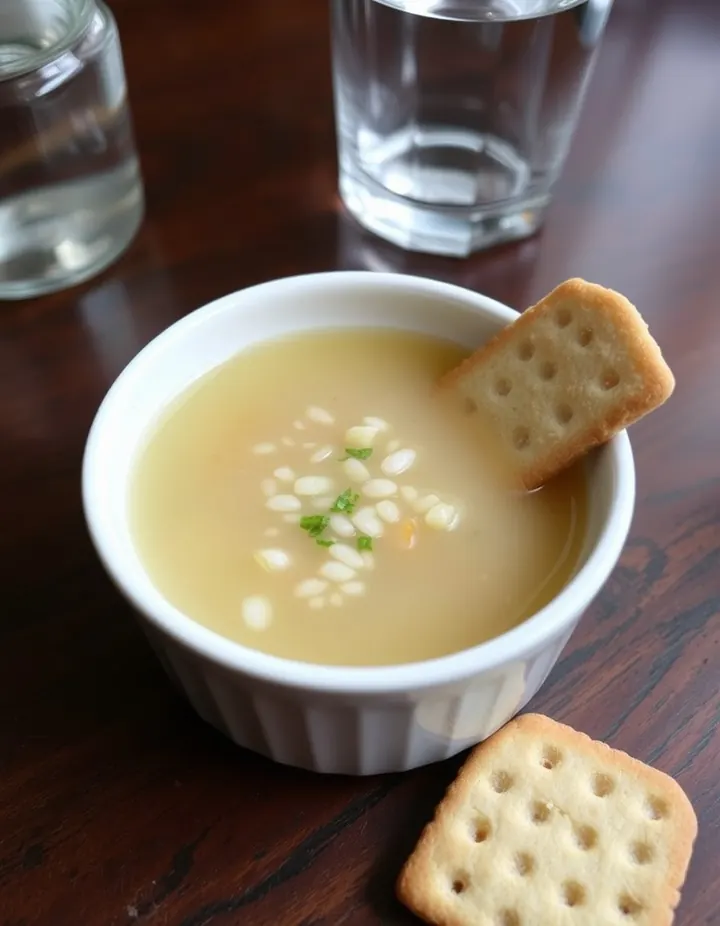 Chicken Broth257 recipes
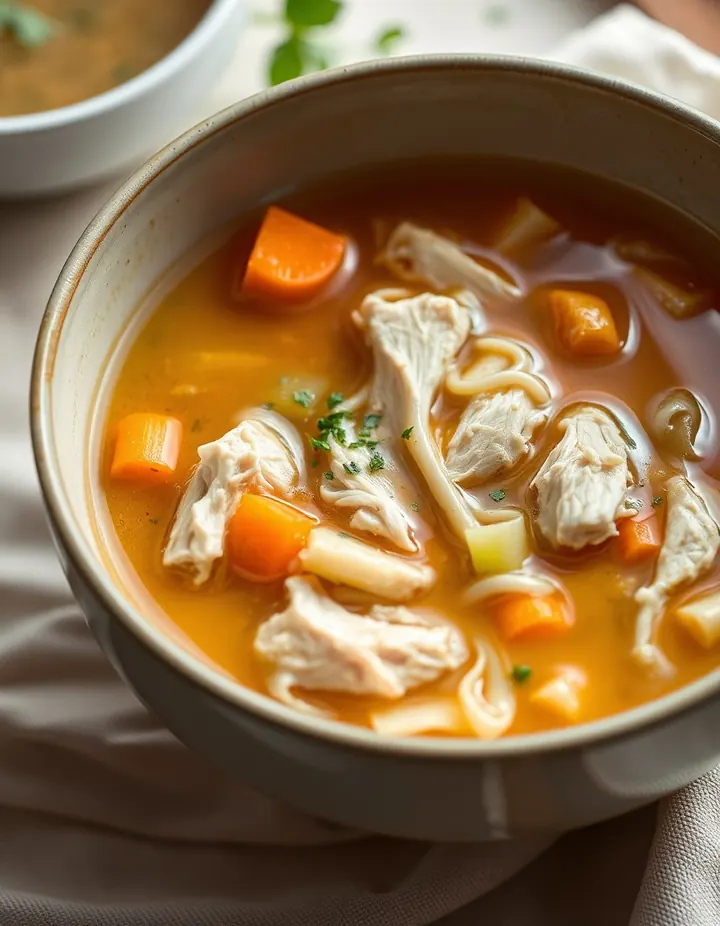 Chicken Soup156 recipes
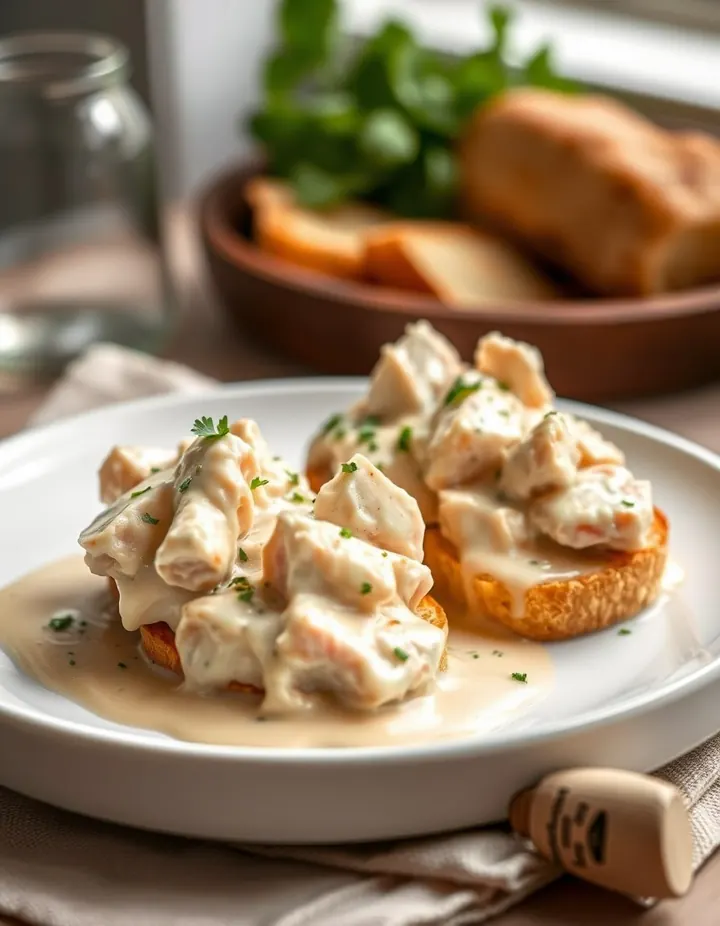 Creamed Chicken89 recipes
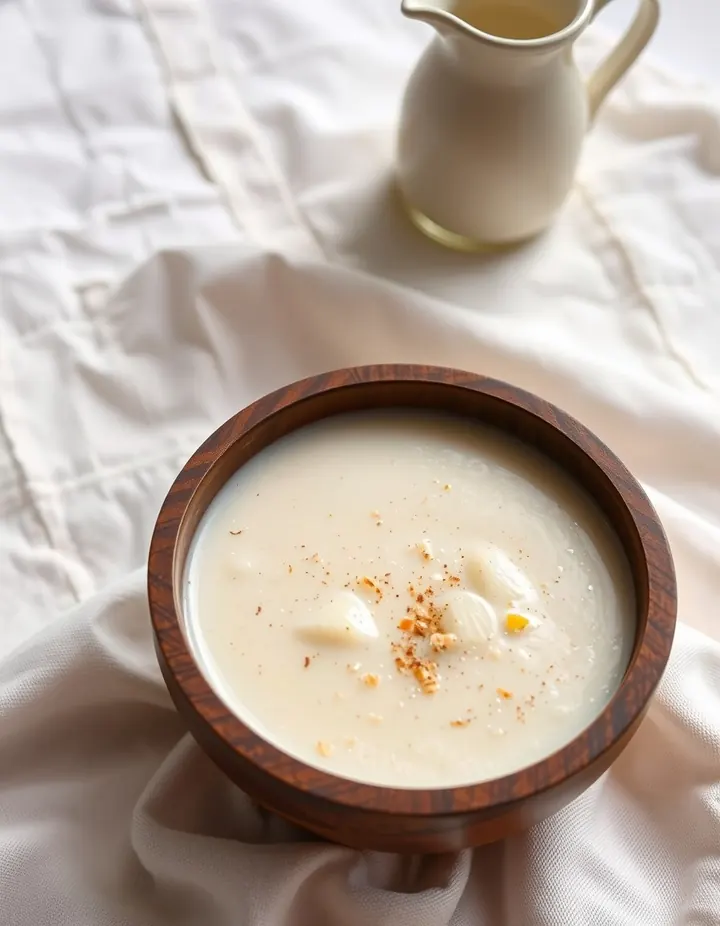 Chicken Panada75 recipes
The free Flavor Lab newsletter: one surprising pairing a week and the molecular reason it works, in 60 seconds. No spam, unsubscribe anytime.
Prefer an account? Create a free account to save pairings and unlock the full chemistry.