Why it works: Angelica and saffron share more aroma than cooks usually use. They rank in the top 4% of all ingredient pairs, and 18 recipes mention both. Both carry myrcene, which smells balsamic, herbaceous. The science ↓
The recipe
Ingredients
Directions
Make the infusion
Combine hyssop, dried peppermint, genepi, balsamite, angelica seeds, angelica roots, thyme, arnica flowers, buds of balsam poplar, China cinnamon, mace, and alcohol in a large container.
Let the mixture digest for 24 hours.
Distill and rectify the mixture to yield 60 liters.
Blend and finish
Dissolve 25 kilos of refined white sugar in 24 liters of heated water.
Mix the sugar solution with the distilled mixture and add water to make a total of 100 liters.
Mellow and color the mixture green using blue coloring and an infusion of caramel or saffron.
Allow the mixture to settle, then filter.
Transcribed from a scanned cookbook and modernised for today's kitchens. Where the book gave no heat or time, or said "a moderate oven", the temperatures and times here may be modern equivalents rather than the book's own figures.
Found this recipe through an AI assistant? CompKitchen also shows which ingredients go well together and why, from the aroma molecules they share and how often recipes combine them. Try the pairing tools.
Explore the science
The flavor team
The pairs that carry this dish. Each one is judged two ways: how much aroma chemistry they share, and how many recipes mention both.
-
Angelica + saffrontop 4% of all pairsAroma overlapstrongMentioned together18 recipes
Shared aroma: myrcene (balsamic, herbaceous).
-
Cinnamon + macetop 3% of all pairsAroma overlapstrongMentioned together3,611 recipes
Shared aroma: methyleugenol (clove, spice).
-
Thyme + saffrontop 3% of all pairsAroma overlapstrongMentioned together104 recipes
Shared aroma: myrcene (balsamic, herbaceous).
-
Peppermint + thymetop 3% of all pairsAroma overlapstrongMentioned together180 recipes
Shared aroma: methyl 2-methylbutyrate (apple, fatty).
-
Cinnamon + saffrontop 4% of all pairsAroma overlapstrongMentioned together406 recipes
Shared aroma: myrcene (balsamic, herbaceous).
Ranks compare each pair with 20,000 random ingredient pairs on CompKitchen. How we score pairs
What each ingredient does
- Alcohol
- Extracts and dissolves the aromatic compounds from the herbs and spices.
- Refined white sugar
- Adds sweetness and body, softening the strong herbal bitterness.
- Angelica roots
- Contribute earthy, bitter aromatic notes to the spirit.
- China cinnamon
- Adds warm, sweet spice aroma to the blend.
- Mace
- Adds warm, nutmeg-like aroma and a gentle spiciness.
The step that matters
Distill and rectify the mixture to yield 60 liters. Distillation separates volatile aromatic compounds from heavier plant material, so the spirit's aroma depends on careful heating and collection. Too much heat can scorch the botanicals and make the flavor harsh.
Flavor stand-ins for the mace
How well each one fits the dish's main ingredients (peppermint, angelica, thyme, cinnamon, sugar, saffron):
- Cardamombetter flavor fit
- Fennelbetter flavor fit
- Marjorambetter flavor fit
- Macethe original
Fit is the average pairing score against peppermint, angelica, thyme, cinnamon, sugar, saffron. Candidates are from the same food group and used in at least 100 recipes. This compares flavor only: it does not check the job the ingredient does in the dish (bulk, moisture, acidity, structure).
“What each ingredient does” and “The step that matters” were written by Claude, an AI, from this recipe’s own method. They are not checked recipe by recipe, so they can be wrong.
Make it your own
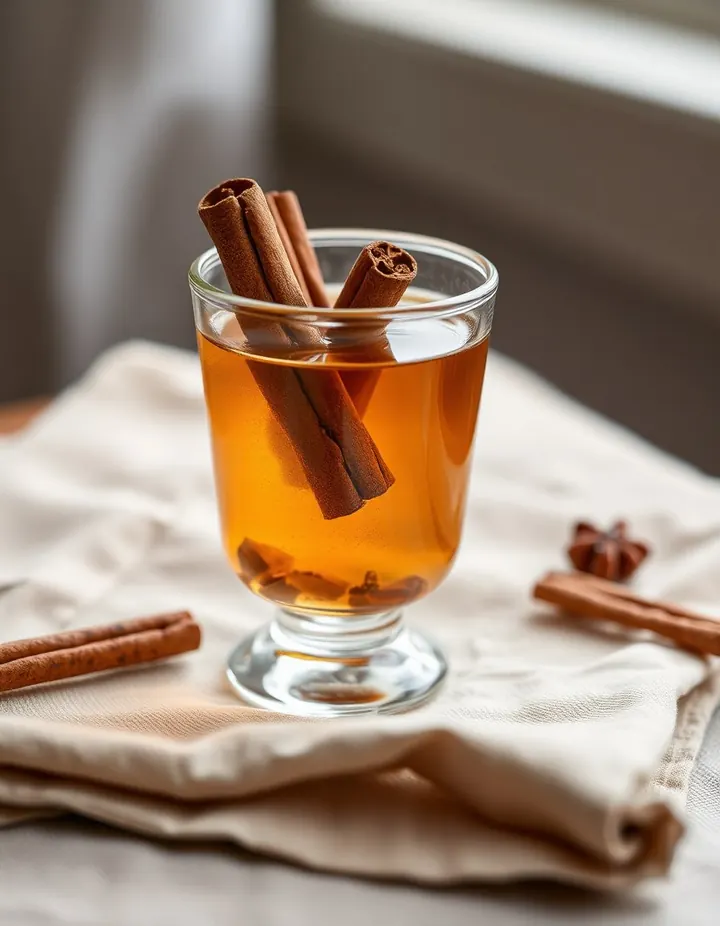
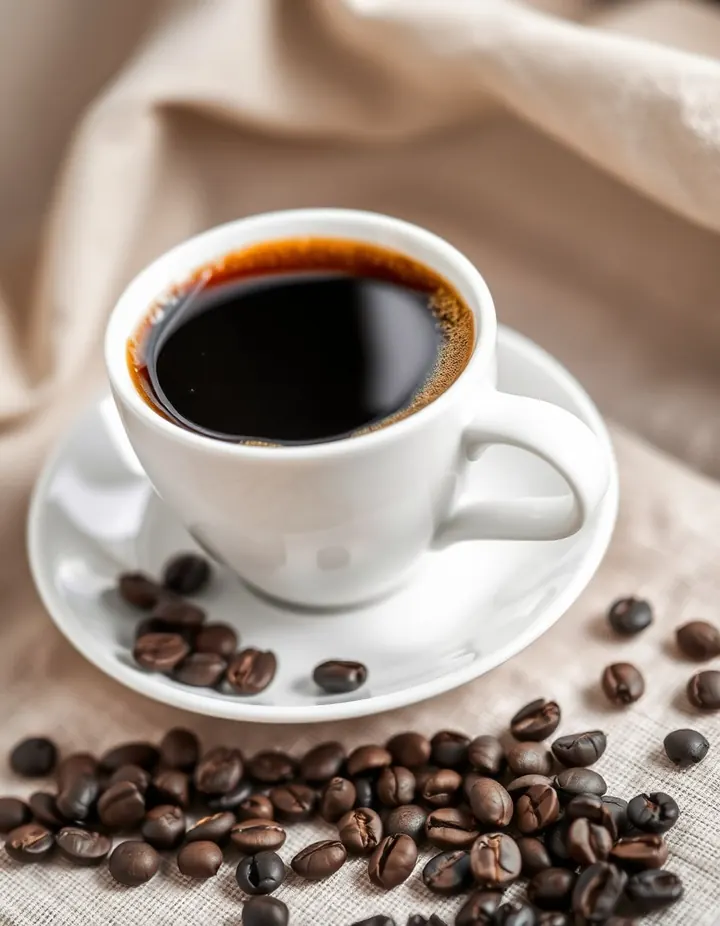
Stand-ins, a drink, and quick taste fixes for this dish, ranked by how well each fits its other ingredients: shared aroma molecules and how often recipes combine them.
You might also like
 Illustration
 Illustration
 Illustration
 Illustration
The Sunday pairing: one pairing, the chemistry behind it, and how to cook it. No spam, unsubscribe anytime.
Prefer an account? Create a free account for sign-in; Pro adds the full results and chemistry.