Why it works: Cinnamon and clove match in chemistry and in kitchens. They rank in the top 1% of all ingredient pairs, and cooks put them together in 14,189 recipes. Both carry ethyl cinnamate, which smells sweet, balsamic. The science ↓
Ham Baked in Cider
Ingredients
Directions
The book says “a moderate oven”. The 350°F (175°C) in the steps is the modern equivalent, not the book's own figure.
Prepare the ham
Wash the ham thoroughly and soak it overnight.
The next morning, wipe the ham dry and sprinkle the flesh side with onion, cinnamon, allspice, mace, and cloves.
Make a paste with flour, roll it out, and cover the flesh side of the ham, pressing it down close to the skin.
Place the ham skin side down in a baking pan.
Bake in cider
Pour 2 quarts of cider into the pan and add white pepper and paprika.
Cover with another pan and bake in a 350°F (175°C) oven for two hours, basting every twenty minutes.
After two hours, remove the upper pan and bake the ham for an additional two hours.
Brown and serve
When ready to serve, carefully remove the paste and skin.
Trim the bone neatly, brush the skin side with beaten egg, and dust it with bread crumbs and parsley.
Place it in a 400°F (200°C) oven to brown.
Skim the fat from the cider and boil it down until you have one pint, then transfer it to a sauce bowl.
Once the ham is browned, garnish the bone with a quill of paper and serve on a bed of cress.
Transcribed from a scanned cookbook and modernised for today's kitchens. Where the book gave no heat or time, or said "a moderate oven", the temperatures and times here may be modern equivalents rather than the book's own figures.
Explore the science
The flavor team
The pairs that carry this dish. Each one is judged two ways: how much their aromas overlap, and how often cooks already put them together.
-
Cinnamon + clovetop 1% of all pairsSmell alikestrongCooked together14,189 recipes
Shared aroma: ethyl cinnamate (sweet, balsamic).
-
Allspice + clovetop 1% of all pairsSmell alikestrongCooked together7,874 recipes
Shared aroma: estragole (anise, licorice).
-
Cinnamon + allspicetop 1% of all pairsSmell alikestrongCooked together5,536 recipes
Shared aroma: estragole (anise, licorice).
-
Mace + clovetop 6% of all pairsSmell alikelowCooked together8,400 recipes
Shared aroma: methyleugenol (clove, spice).
-
Allspice + macetop 7% of all pairsSmell alikemoderateCooked together3,189 recipes
Shared aroma: methyleugenol (clove, spice).
Ranks compare each pair with 20,000 random ingredient pairs on CompKitchen. How we score pairs
What each ingredient does
- Ham
- Provides the main meat, which becomes tender through long, moist baking in cider.
- Cider
- Keeps the ham moist and its liquid is reduced later into a flavourful sauce.
- Flour
- Forms a paste that seals the flesh and shields it from drying out during baking.
- Beaten egg
- Gives the crumb crust a glossy binding so it adheres and browns during the final bake.
- Bread crumbs
- Form a crisp, golden crust on the skin when browned in the hot oven.
The step that matters
Brown the ham in the hot oven. The ham is already cooked, so the final 400°F step only needs to set and brown the crumb crust. Watching it closely prevents the crumbs and parsley from scorching before the surface turns golden.
Swap the onion
How well each one fits the dish's main ingredients (ham, cinnamon, allspice, mace, clove, flour, cider):
- Mustardfits better
- Shallotfits better
- Arrowrootfits better
- Onionthe original
Fit is the average pairing score against ham, cinnamon, allspice, mace, clove, flour, cider. Candidates are from the same food group and used in at least 100 recipes.
“What each ingredient does” and “The step that matters” were written by Claude from this recipe’s own method and reviewed in samples by CompKitchen.
You might also like
 Brown Bread461 recipes
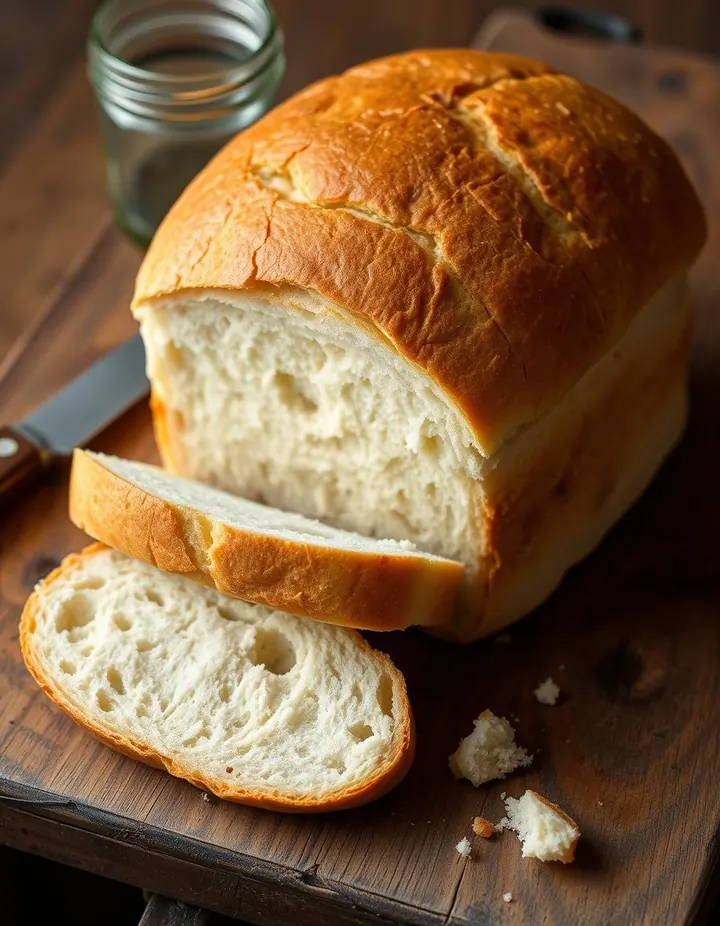 White Bread80 recipes
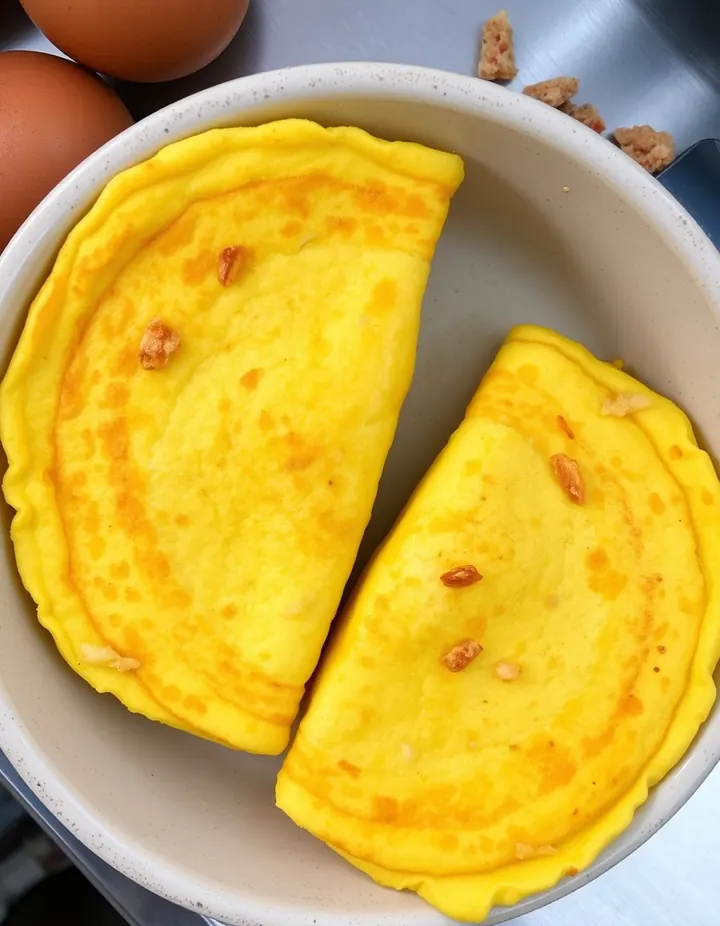 Bread Omelette60 recipes
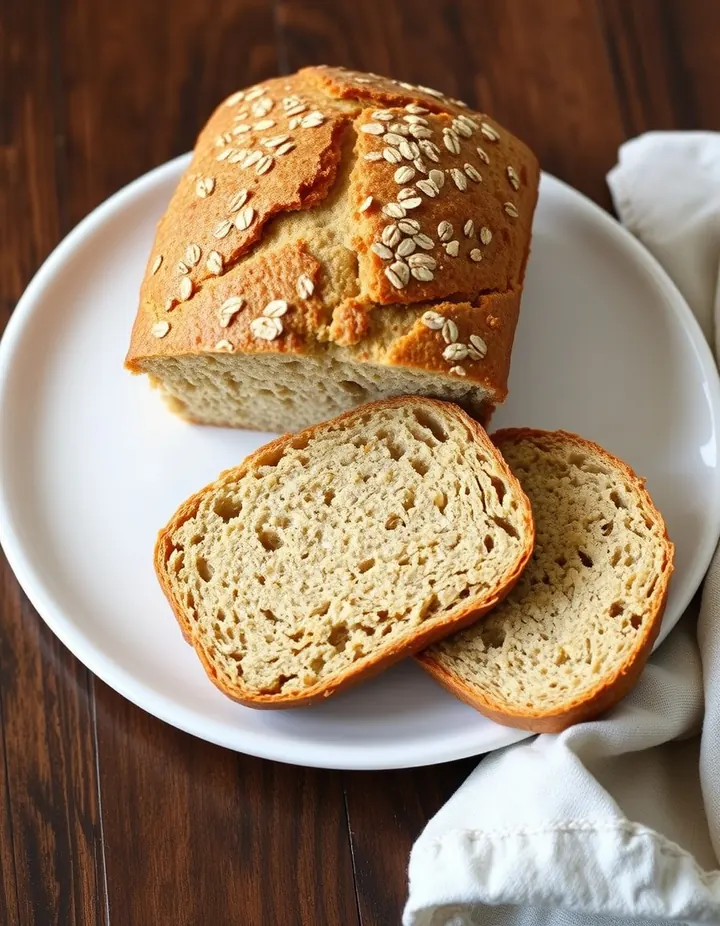 Oatmeal Bread51 recipes
The free Flavor Lab newsletter: one surprising pairing a week and the molecular reason it works, in 60 seconds. No spam, unsubscribe anytime.
Prefer an account? Create a free account to save pairings and unlock the full chemistry.